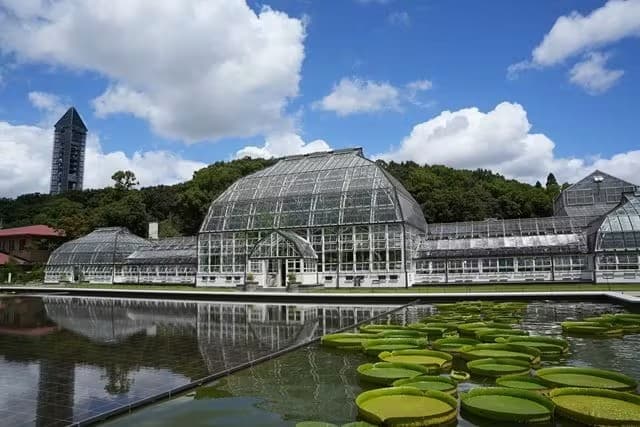
Higashiyama Zoo & Botanical Garden is one of Japan's largest and most comprehensive recreational facilities, encompassing a vast zoo, an extensive botanical garden, and a small amusement park, all connected by the iconic Higashiyama Sky Tower. It serves as a significant green lung for Nagoya and a major attraction for both locals and tourists, offering diverse experiences from wildlife viewing to serene garden strolls.
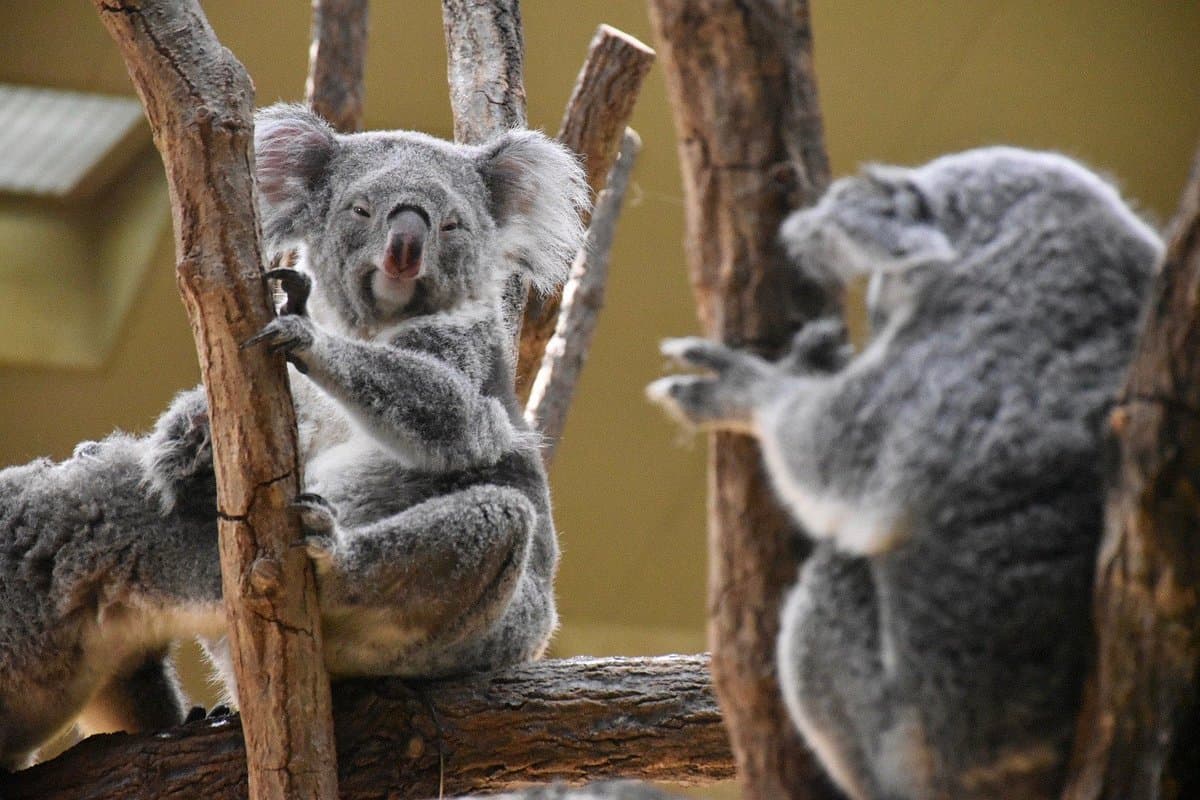
Visitors frequently highlight the sheer size of the complex and the variety of attractions available, often noting that a single day is insufficient to explore everything. The zoo section is praised for its wide array of animals, including popular species like koalas, snow leopards, and elephants, with many enclosures appearing clean and well-maintained. The botanical gardens receive accolades for their beauty, especially during cherry blossom season and autumn foliage, with the Japanese Gardens being a particular favorite. The affordability of the entrance fee is a recurring positive theme, with many feeling it offers exceptional value for money.
For a fulfilling visit, plan to spend at least 4-6 hours, or a full day if you intend to explore both the zoo and botanical gardens thoroughly. Arriving early, especially on weekends or holidays, is recommended to avoid crowds at the ticket counter and to see animals at their most active. Bringing your own food and drinks for a picnic is a popular and cost-effective option, as there are numerous picnic spots and benches. Consider purchasing the Donichi Eco Ticket if you're using the subway, as it often provides a discount on admission. Wear comfortable shoes, as the park involves extensive walking, including some uphill sections.
The Higashiyama Zoo & Botanical Garden is conveniently located directly outside Higashiyama Koen Station on the Higashiyama Subway Line. From Nagoya Station, take the Higashiyama Line directly to Higashiyama Koen Station (approximately 20 minutes). If driving, be aware that parking lots, especially at the main gate, can fill up quickly on busy days; some visitors suggest looking for parking near the opposite gate if the main lot is full.
A common complaint among some visitors, particularly those accustomed to modern, habitat-style zoos, is that some animal enclosures are perceived as too small or dated, leading to observations of animals exhibiting stress behaviors. While the zoo is undergoing renovations and improvements, visitors sensitive to animal welfare might find certain sections less appealing. To mitigate this, focus on the newer exhibits or the more spacious areas, and dedicate more time to the botanical gardens which are consistently well-received.