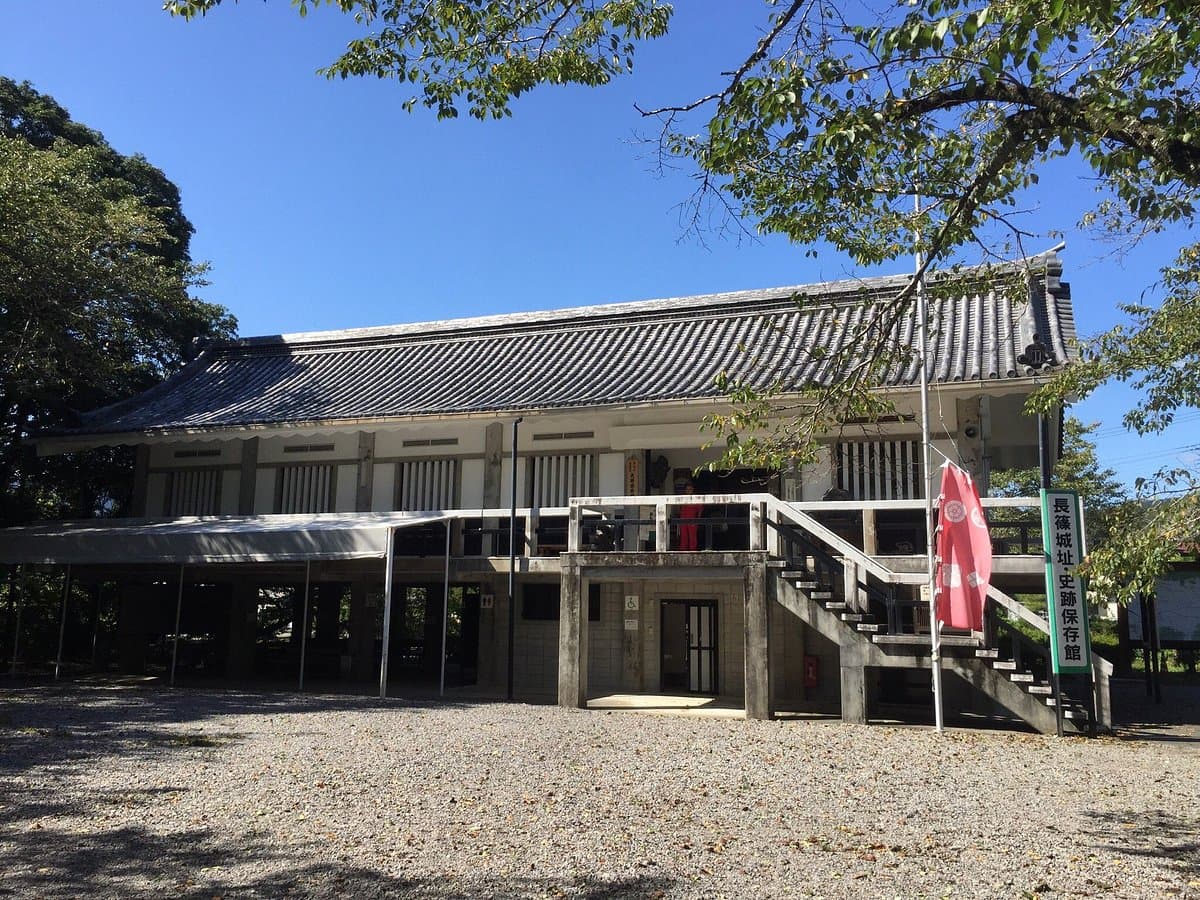
The Ruins of Nagashino Castle History Museum is dedicated to preserving and interpreting the history of Nagashino Castle, a site of immense strategic importance during Japan's Sengoku period. It primarily focuses on the famous Battle of Nagashino and Shitarahara, a pivotal conflict where the allied forces of Oda Nobunaga and Tokugawa Ieyasu decisively defeated Takeda Katsuyori. The museum showcases actual artifacts and art related to the battle and the castle's various occupants, from the Imagawa to the Takeda and Tokugawa clans.
Visitors consistently praise the museum for its well-curated collection and the depth of information provided. Reviewers highlight the presence of actual artifacts and detailed commentaries on the battle, which helps to bring the historical events to life. The availability of English guides is frequently mentioned as a significant advantage, allowing international visitors to fully engage with the exhibits and understand the complex history. Despite its relatively small size, many find this contributes to a more intimate and atmospheric experience, allowing for a focused exploration without feeling overwhelmed.
To make the most of your visit, plan to spend approximately 1 to 2 hours exploring the museum. It is advisable to visit during off-peak hours to enjoy the exhibits in a more tranquil setting. Bringing a camera is recommended for capturing the artifacts, though always check for any restrictions. Consider combining your visit with a walk around the actual castle ruins, which are adjacent to the museum, to gain a fuller appreciation of the historical landscape.
The museum is located at 22-1 Nagashino Ichiba, Shinshiro, Aichi Prefecture. While specific public transport details are not extensively mentioned in reviews, Shinshiro is accessible by train. From Shinshiro Station, local buses or a taxi would likely be required to reach the museum, as it is not typically within easy walking distance of the main station. Driving is also an option, and parking facilities are usually available on-site or nearby.
A common complaint, though not widely reported, might be the museum's smaller scale compared to larger national museums. However, visitors generally find that its focused approach and quality of exhibits compensate for its size. To mitigate any potential disappointment, approach the museum with an understanding that it offers a specialized, in-depth look at a specific historical event rather than a broad overview of Japanese history.