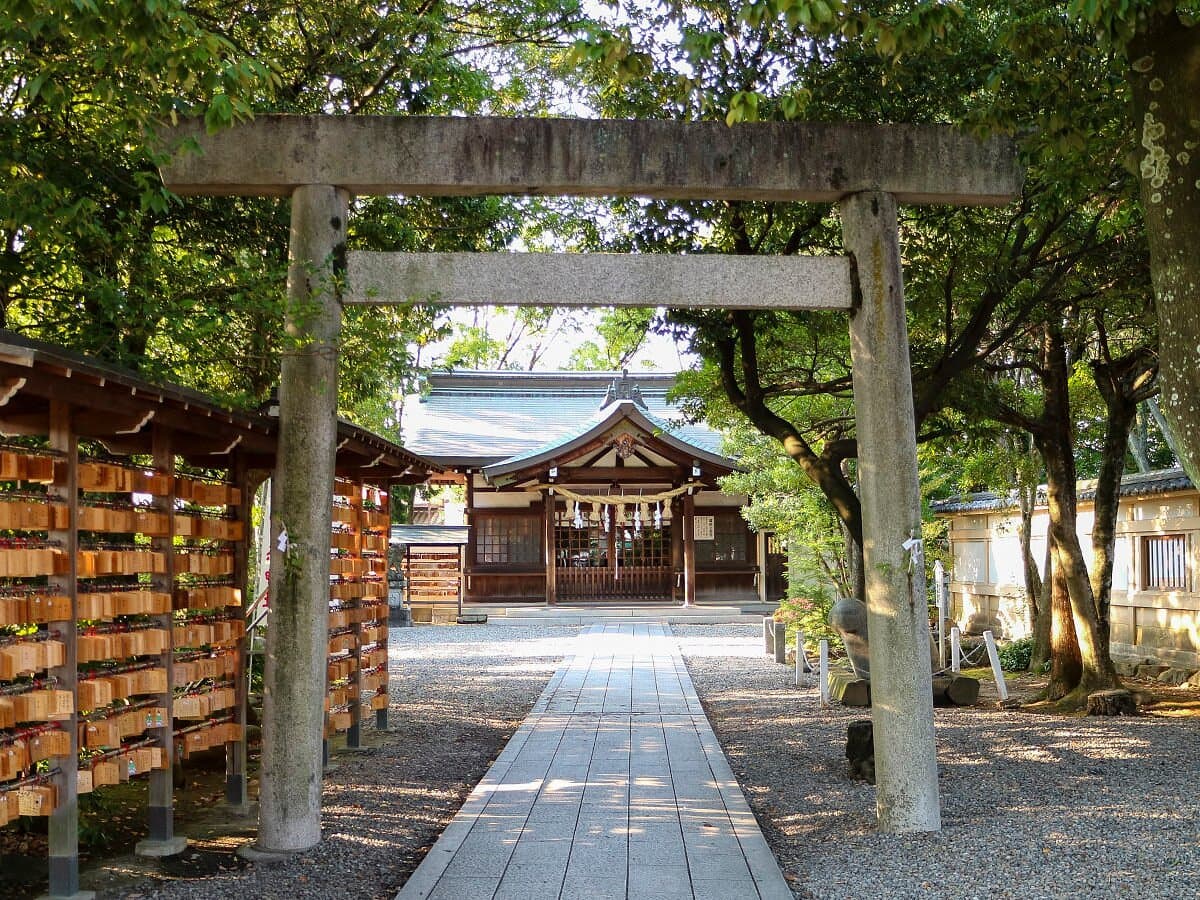
Tagata Jinja is a Shinto shrine with a history spanning over 1,500 years, dedicated to the deities Mitoshigami and Tamahime no Mikoto. It is primarily known as a fertility shrine, where people pray for healthy babies, easy delivery, successful marriages, and bountiful harvests. Its unique focus on fertility is visually represented throughout the grounds, making it a distinctive cultural experience.
Visitors consistently praise the shrine for its unusual and often humorous atmosphere, which stands in stark contrast to the solemnity of many other Japanese temples. Many find the abundance of phallic symbols, from carved wooden and stone representations to a large cypress phallus, both surprising and delightful. Reviewers often highlight the opportunity to purchase themed souvenirs, including penis and vagina-shaped candies, which add to the lighthearted experience. The shrine also offers a video explaining its annual Hōnen Matsuri, or "Penis Festival," which is a major draw for those visiting in March.
To make the most of your visit, allocate about 1-2 hours to explore the grounds thoroughly. While the shrine is open year-round, the most exciting time to visit is on March 15th for the Hōnen Matsuri, when a giant wooden phallus is paraded. If visiting outside of the festival, consider combining your trip with a visit to nearby Inuyama, as several reviewers mention doing so. The shrine is free to enter, making it an accessible cultural stop. Remember that while the imagery may seem humorous to Westerners, the locals hold deep respect for the shrine's purpose, so visitors should maintain a respectful demeanor.
Tagata Jinja is conveniently located and accessible by public transport. It's about a 10-minute walk from Tagata Jinja-mae Station on the Meitetsu Komaki Line. If coming from Nagoya Station, the journey typically involves three different subway/rail lines and can take about an hour. Visitors often find the walk from the station to the shrine straightforward and pleasant.
A common point of surprise for first-time visitors is the explicit nature of the fertility symbols, which can be unexpected if one arrives without prior knowledge. To mitigate this, it's advisable to be aware of the shrine's theme beforehand. While some might find the imagery confronting, most reviewers embrace it as a unique cultural insight. There are no significant complaints about crowds or accessibility, making it a generally pleasant visit for most.