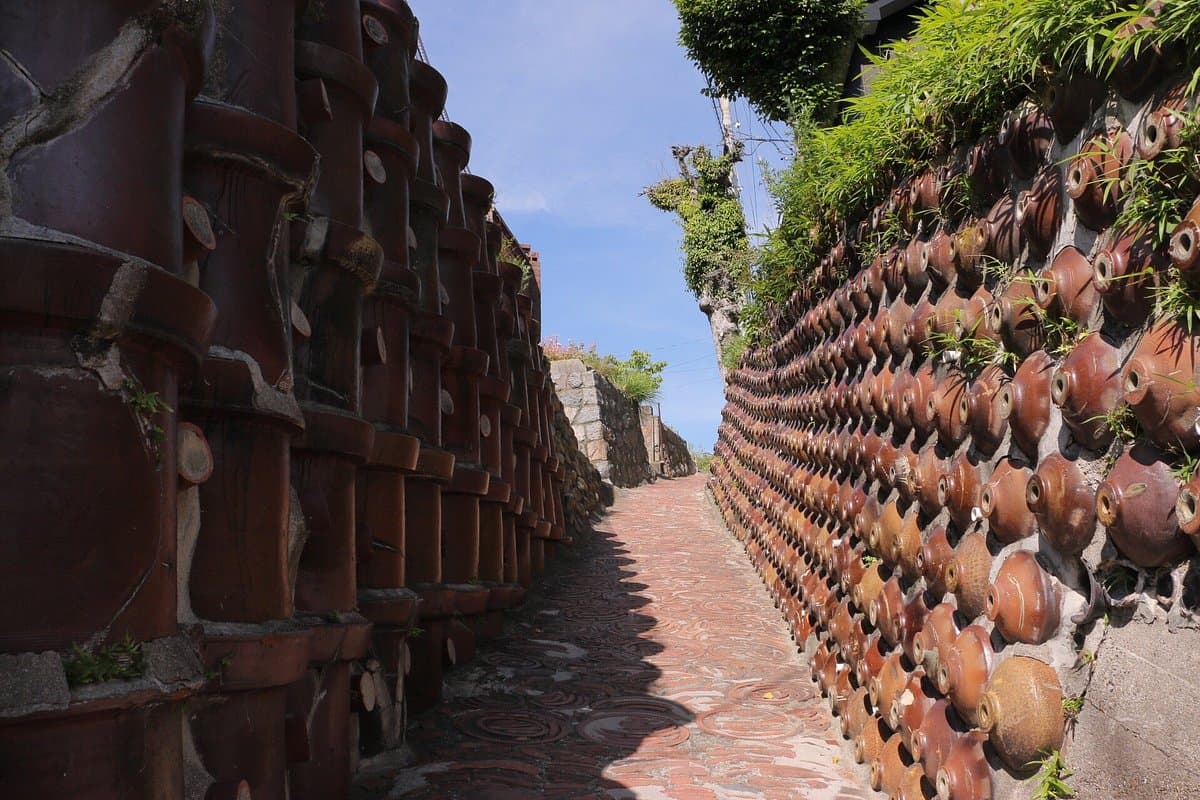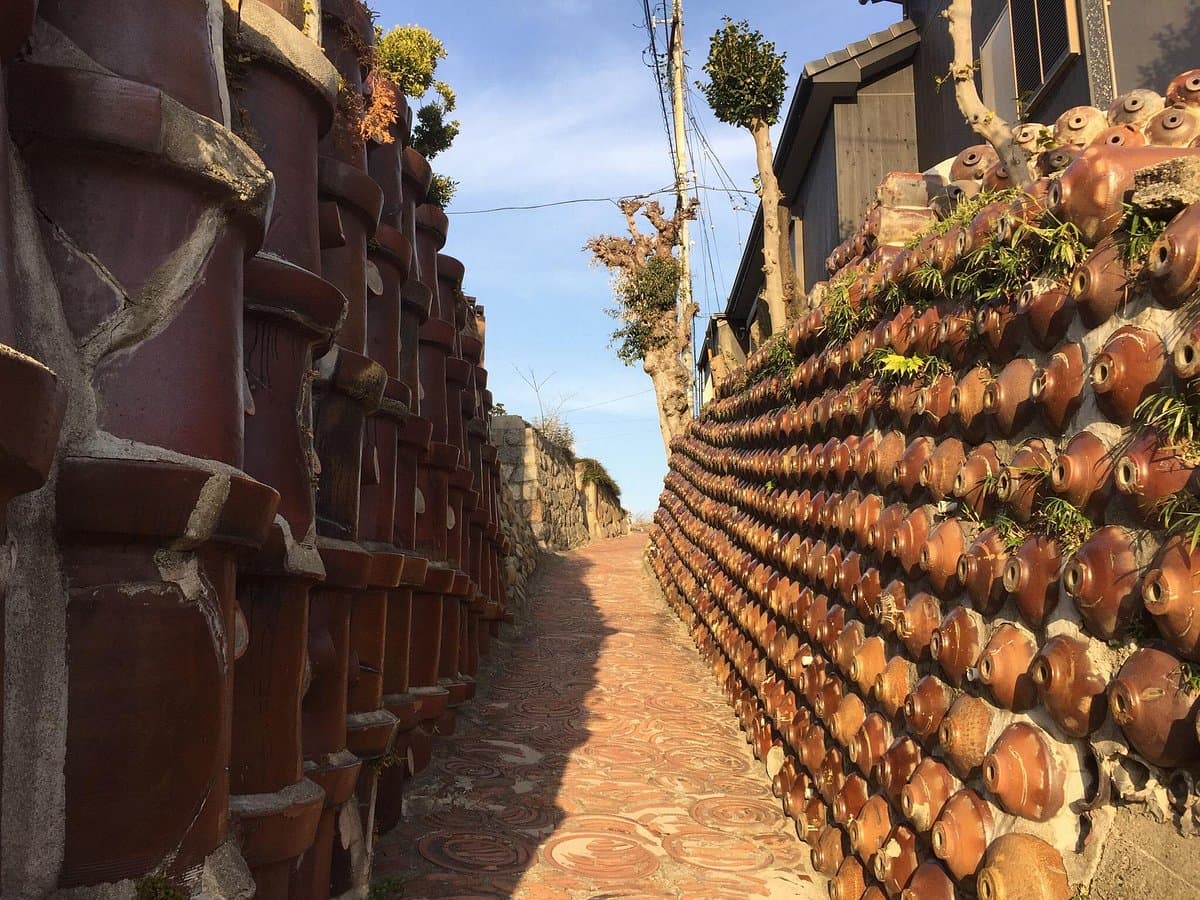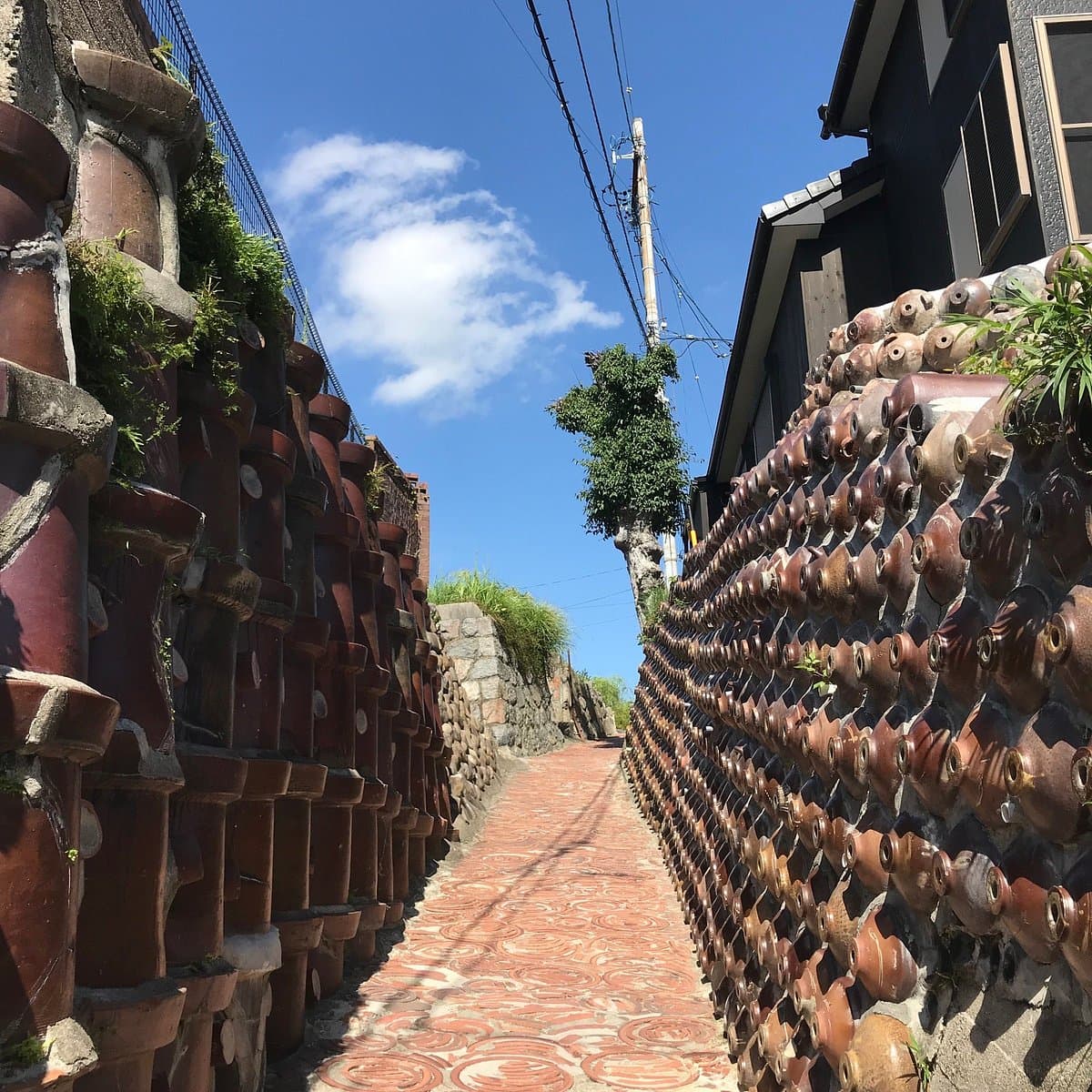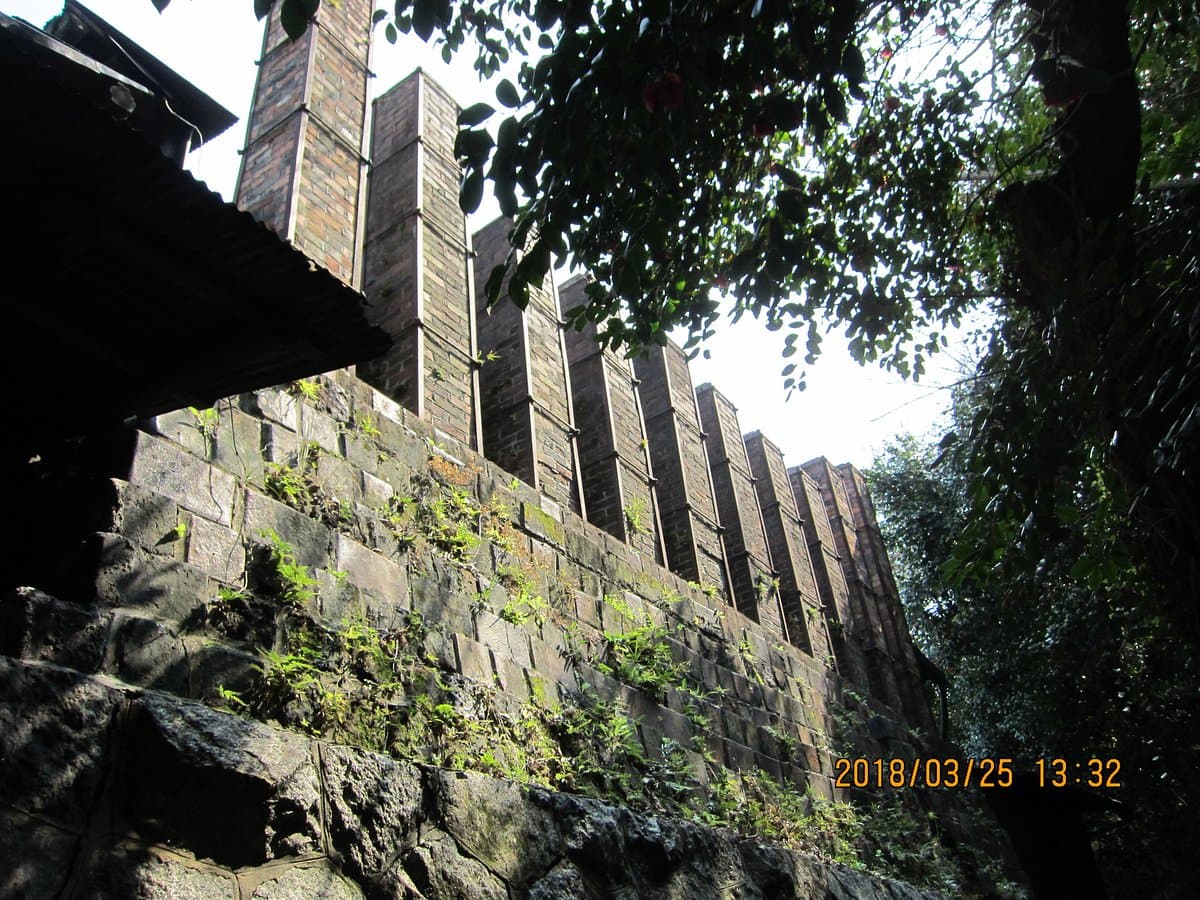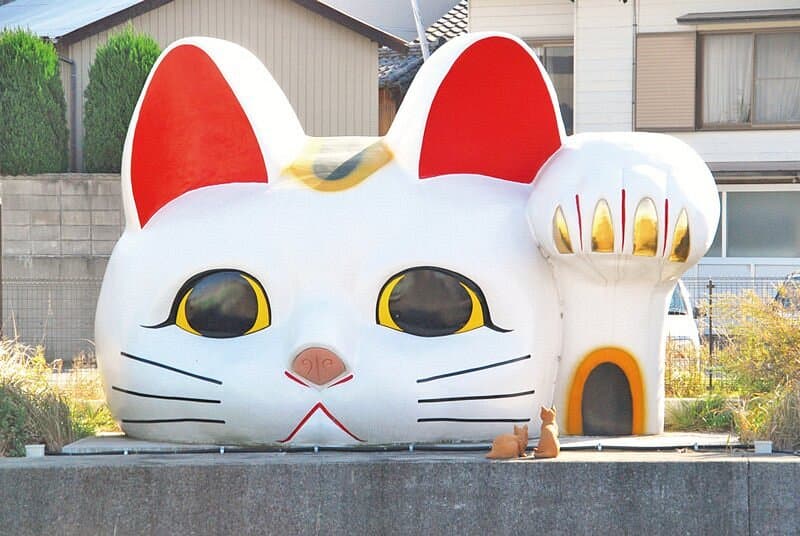
Tokonyan is a colossal maneki-neko (beckoning cat) statue, measuring an impressive 3.8 by 6.3 meters, that has become a beloved symbol and guardian of Tokoname. This town is renowned as one of Japan's six ancient kiln towns and the birthplace of the famous lucky cat. The statue, named Tokonyan after a public contest in 2008, is strategically placed to overlook the town, offering a unique and somewhat whimsical landmark.
Visitors consistently praise Tokonyan for its sheer size and the excellent photo opportunities it provides. Many reviewers describe it as "cute" and a "cool giant maneki neko statue." Its visibility from the train station makes it an immediate point of interest upon arrival. However, several visitors note that getting close to the statue for a direct front-on picture can be challenging due to its placement on a slope facing the road. The most common way to experience Tokonyan is as part of the Tokoname Pottery Path, where it serves as a memorable stop.
To make the most of your visit, combine seeing Tokonyan with a walk along the Pottery Path. Reviewers suggest looking for sign #5 on the path, which indicates a detour to the right leading to a bridge for better viewing and photo angles. While the statue itself doesn't require much time, budgeting 15-30 minutes for photos and appreciation is sufficient. There's no entry fee, making it an accessible attraction. The best time to visit is during daylight hours to fully appreciate its scale and for optimal photography. Consider visiting on a clear day for the best views.
Tokonyan is easily visible from the train station, making public transport a convenient option. Many visitors arrive by train and then proceed to explore the Pottery Path on foot. The statue is located along the Pottery Path, which is well-marked, although some reviewers mention that signs directly to the bridge for Tokonyan can be a bit tricky to find. Walking from the main areas of Tokoname to the statue is feasible and part of the overall experience of exploring the town's ceramic heritage.
A common complaint is the difficulty in getting a direct front-on photograph with the entire statue due to its elevated position and the surrounding terrain. Visitors recommend using the bridge accessible via a detour from the Pottery Path (near sign #5) to get a better perspective. Also, some signage for accessing the best viewing spots might be unclear, so keeping an eye out for the specific detour is key.