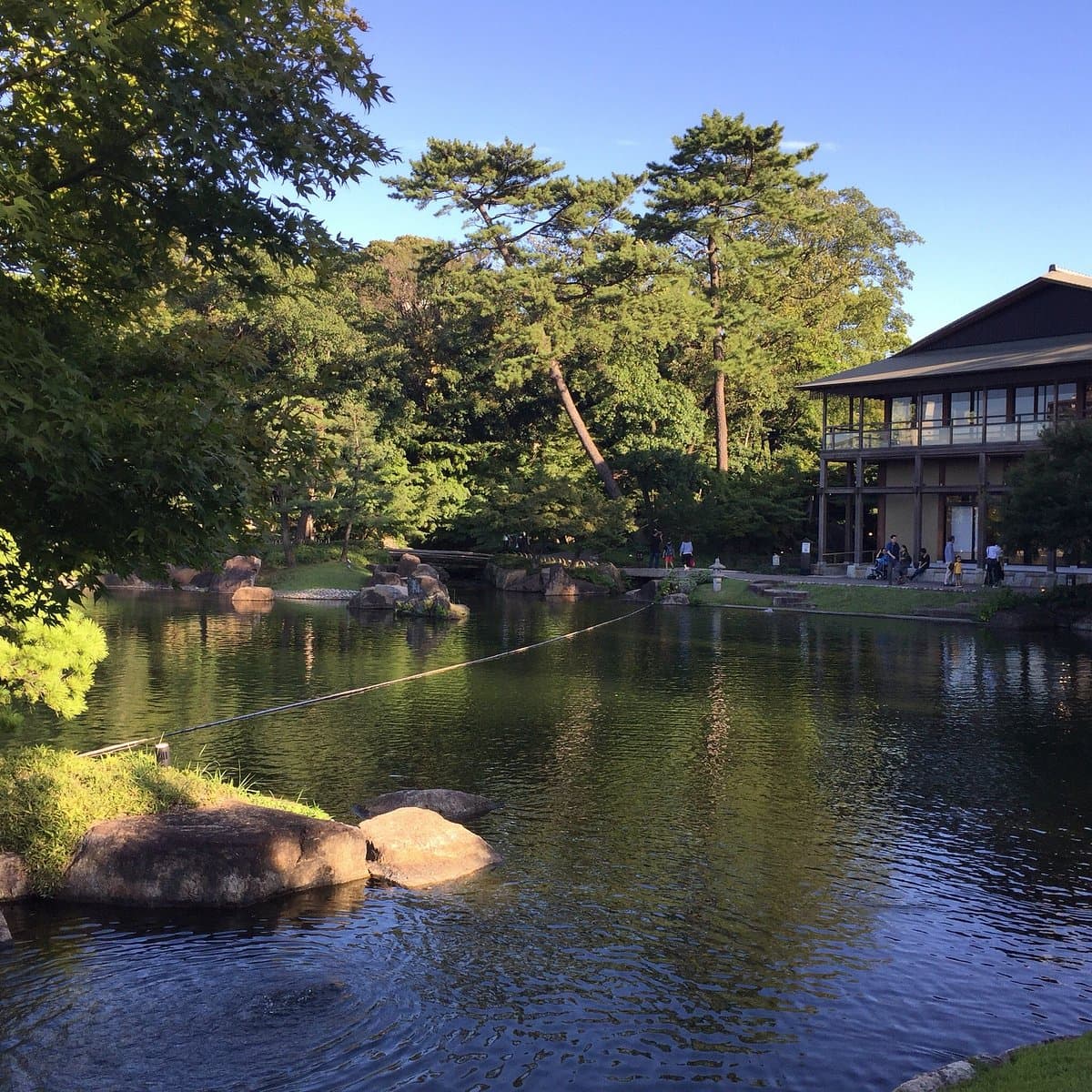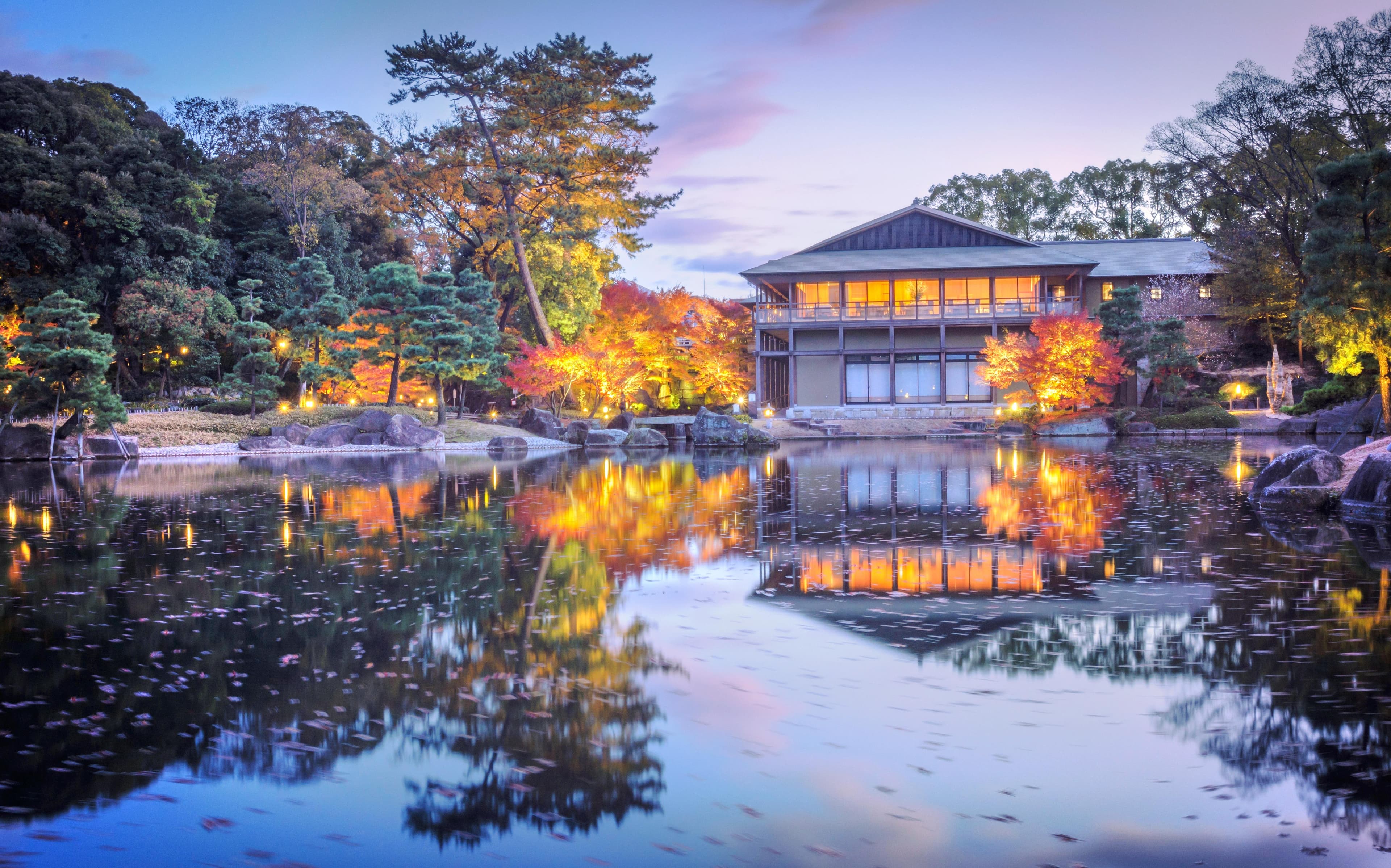
Tokugawaen Garden is a traditional Japanese strolling garden, originally built in 1695 as the retirement villa for Tokugawa Mitsutomo, the second lord of the Owari Tokugawa family. Though largely destroyed during World War II, it was meticulously restored and reopened in 2004, preserving its historical significance and aesthetic beauty. It represents a classic daimyo (feudal lord) garden style, characterized by a large central pond, dramatic waterfalls, and a winding stream, designed to evoke natural landscapes.
Visitors frequently highlight the garden's tranquil and peaceful ambiance, noting it as a welcome respite from the city's hustle. Many reviewers praise the garden's seasonal transformations, particularly the vibrant autumn foliage and the delicate cherry blossoms in spring, making it a popular spot for photography. The large koi fish in the central pond are also a consistent point of delight, with some visitors enjoying feeding them. The garden's compact size is often mentioned, allowing for a thorough exploration without feeling overwhelmed, and its meticulous upkeep, including the removal of even small weeds, is frequently commended.
For a fulfilling visit, allocate 1 to 2 hours to leisurely explore the garden. Many suggest visiting during autumn for the spectacular red leaves or in spring for cherry blossoms and wisteria, though its beauty is appreciated year-round. Consider purchasing a combined ticket with the adjacent Tokugawa Art Museum and Hosa Library if you have more time and interest in history and art, as this offers better value. Reviewers advise bringing cash for ticket purchases, as some vendors may not support mobile payment options like WeChat Pay or Alipay. The garden also features a cafe, which is noted for its pleasant atmosphere and good coffee and cake, providing a nice spot for a break.
To reach Tokugawaen Garden, several public transport options are available. Many visitors recommend taking the JR Chuo Main Line to Ozone Station and then walking for about 5-15 minutes. Signposts are generally available along the way to guide you. Alternatively, the Me-guru sightseeing bus is a convenient option, as it stops directly at the garden and covers other popular tourist areas in Nagoya. If coming by subway, Morishita Station is also mentioned as being within a 10-15 minute walk. While the garden is not in the absolute city center, its accessibility by public transport is generally good, making it a feasible day trip.
A common observation is that the garden, while beautiful, is not exceptionally large, leading some visitors to feel the visit can be quite quick. To mitigate this, reviewers suggest taking your time, sitting by the pond, and appreciating the intricate details of the landscaping. Some also note that outside of peak seasons like autumn or cherry blossom, the garden can be less crowded, offering an even more serene experience. While some reviewers found it less impressive than more famous Japanese gardens, many still found it a worthwhile and relaxing experience, especially when combined with the museum.