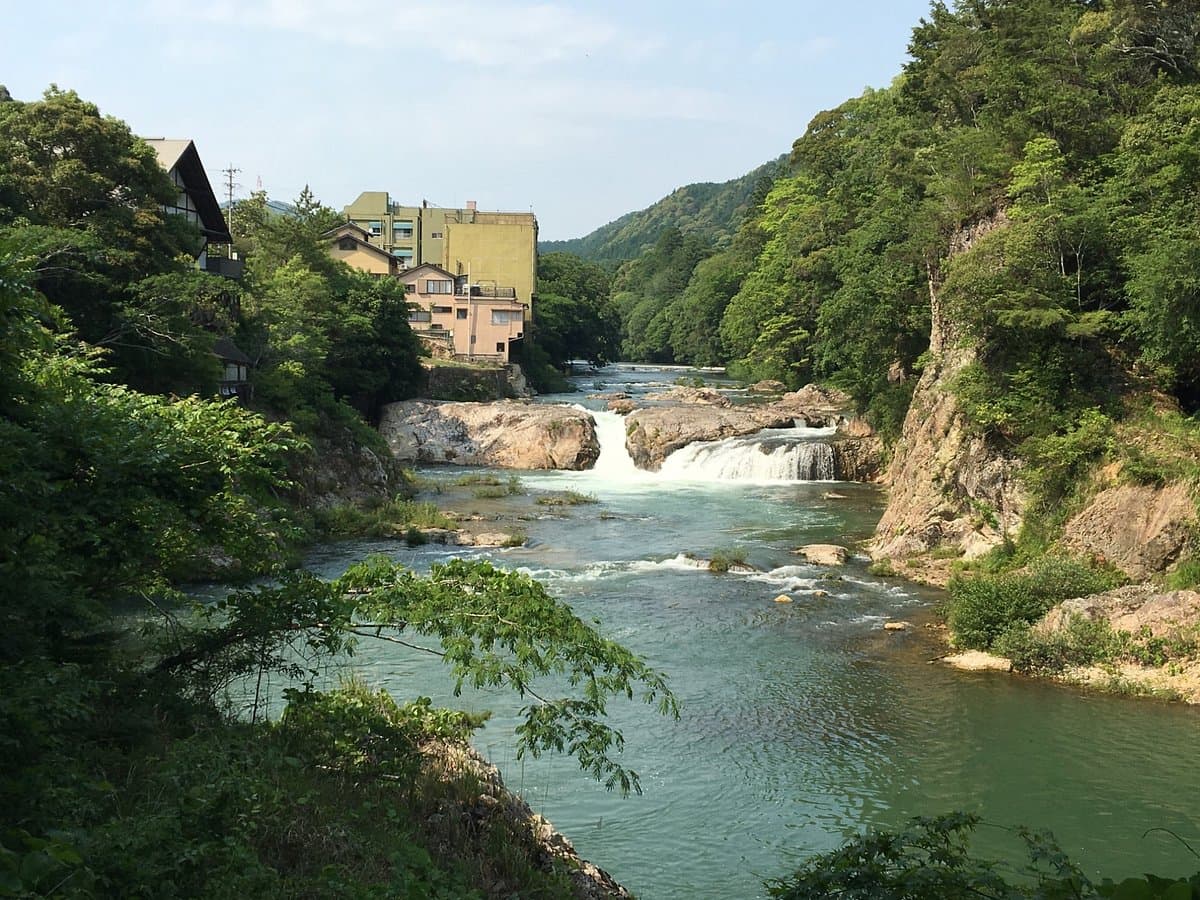
Yuya Hot Spring is a charming onsen village situated in the scenic Ure River valley in Shinshiro, Aichi Prefecture. It's known for its traditional Japanese inns and the soothing hot spring waters, making it a destination for relaxation and experiencing local Japanese culture away from bustling city centers.
Visitors consistently praise the tranquil atmosphere and the natural beauty of the surrounding area. Many appreciate the opportunity to unwind in the onsen, often combining their visit with outdoor activities like hiking or attending local events. The village itself, built around the picturesque Ure River, is frequently highlighted for its quaint charm and the sense of peaceful escape it provides. Reviewers suggest that while it's not a primary destination for first-time international tourists due to its remoteness, it's highly recommended for those already in the region or looking for an authentic, off-the-beaten-path experience.
To make the most of your visit, consider staying overnight at one of the local ryokans to fully immerse yourself in the onsen experience. A visit of a few hours to half a day is sufficient if you're only planning to use a public bath and explore the village. The best time to visit is during the spring or autumn months when the natural scenery is particularly vibrant. Bringing comfortable walking shoes is advisable for exploring the village and nearby trails.
Getting to Yuya Hot Spring requires some planning due to its remote location. While specific public transport details are not extensively mentioned in reviews, the area is generally accessible by local train lines, followed by a bus or taxi ride. For those driving, parking is typically available at the ryokans or designated village parking areas. It's recommended to check local train and bus schedules in advance, as services might be less frequent compared to major cities.
A common consideration for visitors is the relative isolation of Yuya Hot Spring. While this contributes to its peaceful charm, it also means fewer English-speaking services and potentially limited dining options outside of your accommodation. To mitigate this, it's helpful to have some basic Japanese phrases or a translation app, and to plan your meals, especially if you have dietary restrictions.