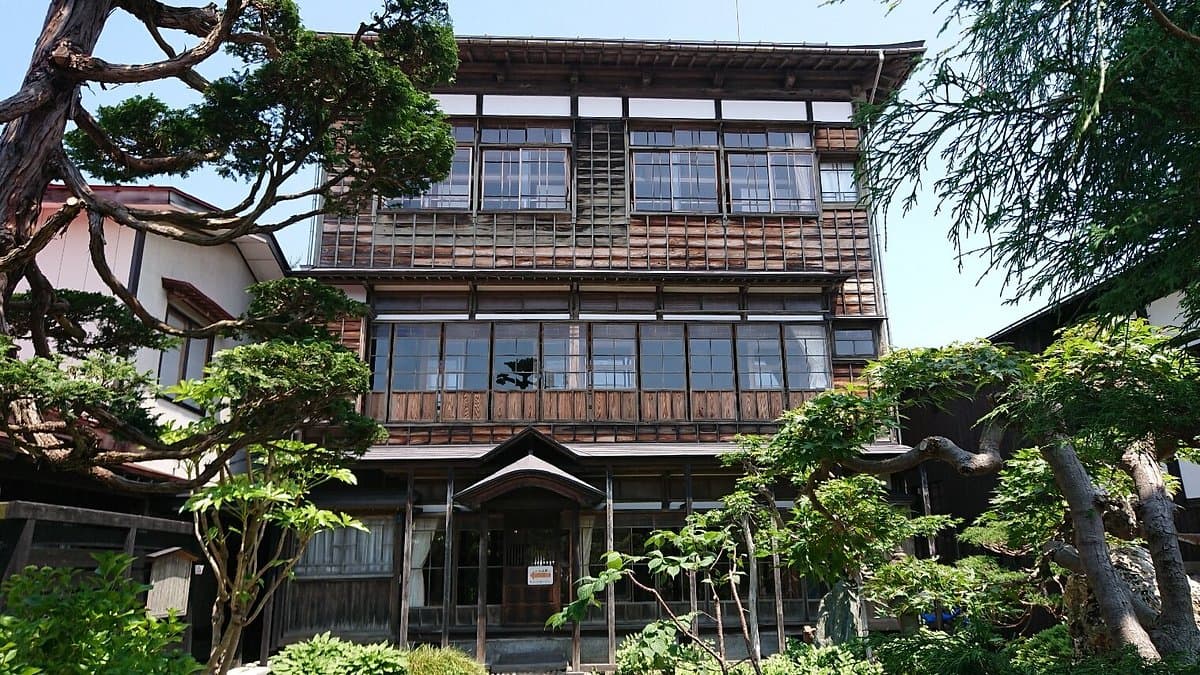
The Masuda Storehouses, or Uchigura, represent a distinctive architectural heritage in the heavy snowfall region of Akita Prefecture. These 'inner storehouses' are unique structures built inside larger houses, designed to protect valuable goods from the harsh winter climate. The district, with over 40 historical storehouses, offers a rare opportunity to step back in time and appreciate the ingenuity of traditional Japanese construction and the rich commercial history of Masuda, which thrived as a trade hub since before the Edo period.
Visitors consistently praise the area for its captivating atmosphere, often describing it as an 'exciting' experience akin to exploring an old townscape. The well-preserved cultural properties and the ability to see the intricate details of the Uchigura are frequently highlighted as major draws. Reviewers appreciate the chance to wander through the streets and discover the historical significance of each building, noting the thick beams and pillars that characterize these resilient structures.
To make the most of a visit, it is recommended to allocate at least 1-2 hours to leisurely explore the district. There are no specific items to bring beyond comfortable walking shoes, as the experience primarily involves strolling and observation. While specific opening hours for individual storehouses may vary, the general area is accessible throughout the day. Consider visiting during daylight hours to fully appreciate the architectural details.
The Masuda Storehouses are located in Masudacho, Yokote, Akita Prefecture. As Masuda is situated in the southeastern part of Yokote City, public transportation options might be limited compared to major urban centers. Visitors often arrive by car, and local information centers can provide details on parking availability. It is advisable to check local bus schedules or consider a taxi from Yokote Station if relying on public transport.
Common complaints are not widely reported, but some visitors might find the area less engaging if they are not particularly interested in historical architecture or regional history. To mitigate this, approach the visit with an open mind, perhaps doing some preliminary research on the Uchigura's significance to enhance appreciation.