Japan Trip MapJapan Trip Map
Tokyo Food GuideTravel Map
Japan Trip MapJapan Trip Map

Provinces, Municipalities & Autonomous Regions

AichiAichi PrefectureAkitaAomoriChibaEhimeFukuiFukuokaFukushimaGifuGifuGunmaHiroshimaHokkaidoHyōgoIbarakiIshikawaIshikawaIwateKagawaKagoshimaKanagawaKanagawaKōchiKumamotoKyotoMieMiyagiMiyazakiNaganoNagasakiNaraNiigataŌitaOkayamaOkinawaOsakaSagaSaitamaShigaShimaneShizuokaShizuokaTochigiTokushimaTokyoTottoriToyamaWakayamaYamagataYamaguchiYamanashi
© 2025-2026 www.japantripmap.com
Asakusa cover image
A+

City

Asakusa

浅草

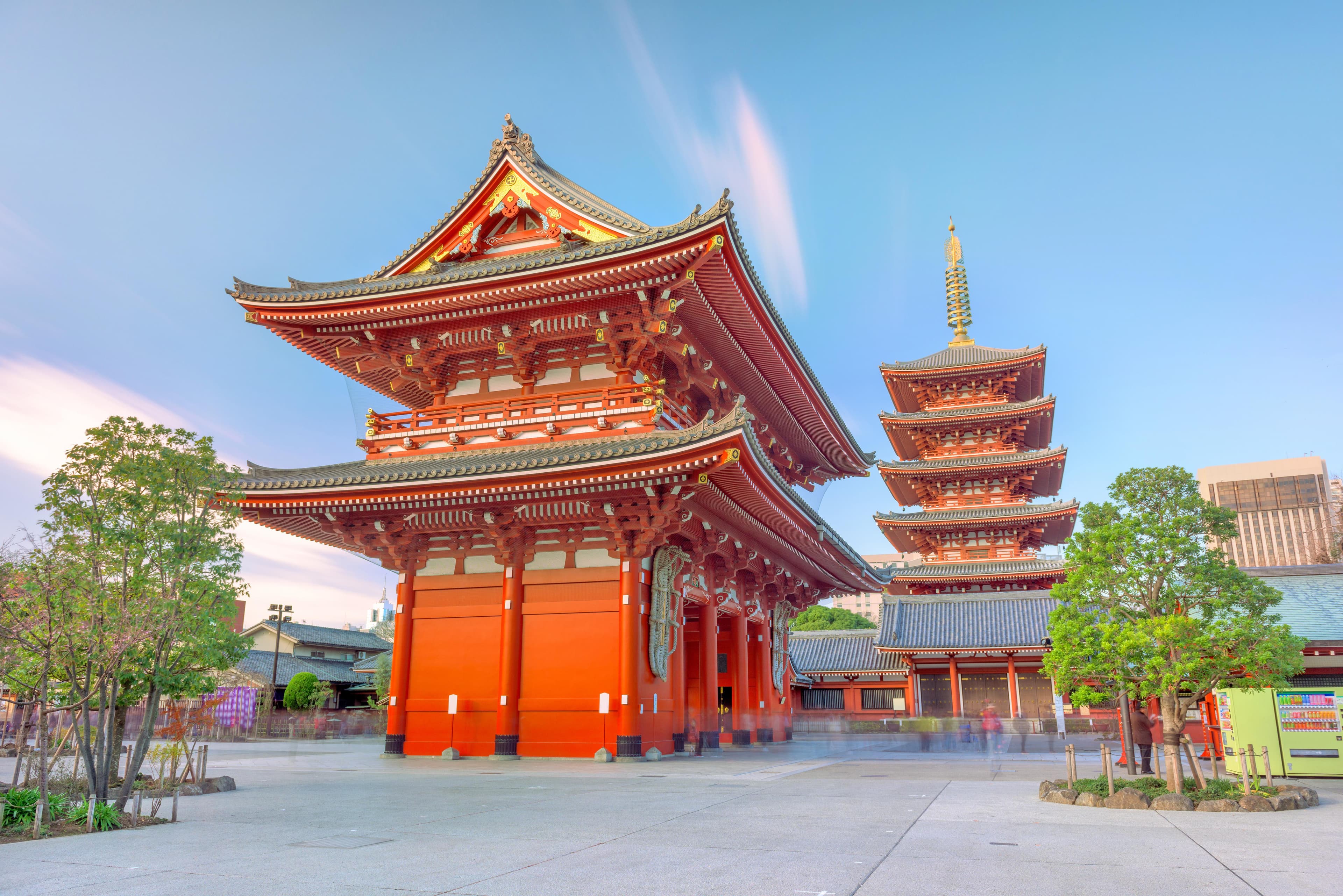
Asakusa is Tokyo's historical heart, centered around the ancient Senso-ji Temple and the adjacent Asakusa Shrine. Visitors are drawn to its vibrant Nakamise-dori market, traditional street food, and the opportunity to experience Edo-era charm, often enhanced by wearing kimonos. Despite the crowds, it offers a unique blend of cultural immersion and lively exploration.

Province
Tokyo

Asakusa is a district in Tokyo that serves as a vibrant window into Japan's Edo period, making it a crucial destination for anyone seeking to understand the city's historical and cultural roots. At its core lies the magnificent Senso-ji Temple, Tokyo's oldest temple, and the adjacent Asakusa Shrine, dedicated to the founders of Senso-ji. This area is not merely a collection of historical buildings; it's a living, breathing cultural hub where tradition intertwines with modern life.

Visitors consistently praise the lively atmosphere, particularly along Nakamise-dori, the bustling shopping street leading to Senso-ji, where a wide array of traditional snacks, souvenirs, and crafts are sold. Many reviewers highlight the unique experience of trying street food, with options ranging from tempura and soba to various Japanese sweets. The opportunity to rent and wear a kimono for photos is also a popular activity, adding to the immersive cultural experience. Reviewers frequently mention the beauty of the temple and shrine architecture, especially when illuminated at night, and the chance to observe traditional Japanese customs like fortune-telling or wafting incense for good health.

To make the most of your visit, plan to spend 3-5 hours exploring the area. Many visitors recommend arriving early in the morning, ideally before 10 AM, or in the late afternoon/evening to avoid the peak crowds, especially on weekends and holidays. The area takes on a different, more serene charm at night when the main temple and shrine are beautifully lit. Consider wearing comfortable shoes, as you will be doing a lot of walking. While the main shopping street can be crowded, many smaller alleys branch off, offering quieter exploration and unique shops. Don't hesitate to venture into these side streets for a more authentic experience and potentially better prices on souvenirs. Reviewers also suggest trying the local street food, but be aware that some popular items might have queues.

Asakusa is exceptionally well-connected by Tokyo's extensive subway system. The nearest stations are Asakusa Station, served by the Tokyo Metro Ginza Line, Toei Asakusa Line, and Tobu Skytree Line. From any of these lines, the Kaminarimon Gate (Thunder Gate), the iconic entrance to Asakusa, is just a few minutes' walk. Many reviewers note the convenience of reaching Asakusa by subway, often mentioning short travel times from major hubs like Shinjuku or Shibuya. For those interested in a different perspective, sightseeing boats along the Sumida River also depart from near Asakusa, offering views of the Tokyo Skytree and Odaiba.

The most common complaint is the significant crowd, particularly during midday and on weekends. To mitigate this, as mentioned, visit early morning or late evening. While the main Nakamise-dori can feel very touristy, remember that the surrounding smaller streets and the shrine area itself offer quieter moments. Some visitors find souvenir prices on Nakamise-dori to be higher than elsewhere; exploring shops in the adjacent alleys might yield better deals. Despite the crowds, the overall sentiment is that the cultural richness and vibrant atmosphere make Asakusa an essential Tokyo experience.
Attractions

All 7 →

Attraction

Tokyo Maikoya

Tokyo Maikoya · Tokyo Maikoya · Tokyo Maikoya

A+

There are many places in Tokyo where you can take part in a tea ceremony. At a true tea-ceremony house you’ll be served a formal ritual, and in some venues you can even dress in a traditional kimono — for example at Tokyo Maikoya. Average cost for an experience is about ¥3,000–6,000.

Senso-ji

Attraction

Senso-ji

Senso-ji · 浅草寺 · Sensōji

A

Sensō-ji Temple, Tokyo's oldest and most visited temple, offers a vibrant cultural experience with its stunning architecture, bustling Nakamise-dori market, and spiritual activities like fortune-telling and incense burning. Despite the crowds, visitors consistently find it a captivating blend of history, tradition, and lively atmosphere.

Restaurants

All 2 →

Restaurant

Tomoegata Chanko

Tomoegata Chanko · Tomoegata Chanko · Tomoegata Chanko

B-

A restaurant serving chanko-nabe, the hearty hot-pot famously eaten by sumo wrestlers. Chanko-nabe is valued for its nutrition and filling portions: a large pot meant for several people, based on a broth with a variety of ingredients such as fish, squid, shrimp, vegetables, mushrooms and tofu.

Restaurant

Komakata Dojo

Komakata Dojo · Komakata Dojo · Komakata Dojo

B-

A restaurant with a 200-year history. It serves the traditional Tokyo dish dojo-nabe — a small freshwater fish (the Japanese pond loach or a swamp eel) cooked in an iron pot with a special sauce and served with lots of fresh green onions. The dish can be a little outside of some diners’ comfort zone, but it’s very tasty. You can also order a simplified version, sakinabe, in which the fish is served cut up rather than whole. A portion costs from ¥3,000.

Parks

All 2 →

Park

Denboin Garden

Denboin Garden · 伝法院庭園 · Denboin Teien

B

The Senso-ji temple grounds include the beautiful Japanese Denboin Garden. It is open to free visits only for a limited time (usually March–May), so check availability in advance.

Park

Kappabashi-dori

Kappabashi-dori · かっぱ橋道具街 · Kappabashi Dougu-gai

B-

You can find unusual souvenirs on Kappabashi-dori. The landmark is a man in a chef's hat on the roof of a building. The street sells a large number of restaurant supplies, including beautiful tableware and the food replicas displayed in restaurants across the city. Many people buy them as souvenirs and mementos of Japan.