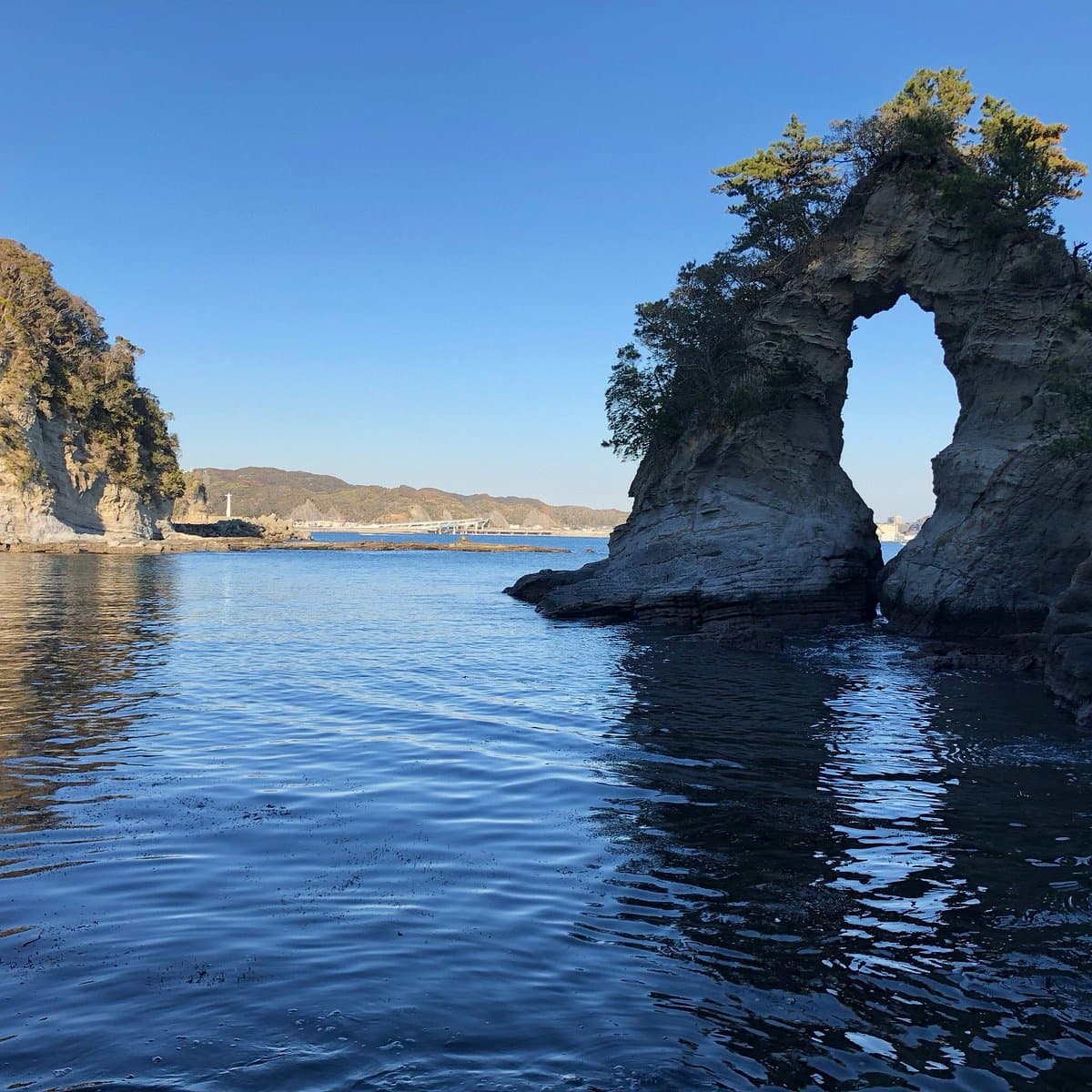
The Coastal Branch of Natural History Museum and Institute Chiba serves as a regional educational facility dedicated to the marine environment and geological features of the Boso Peninsula. It plays a role in local conservation efforts and provides insights into the unique biodiversity of the Katsuura coastline, making it relevant for those interested in regional ecology.
Visitors frequently praise the museum for its well-maintained exhibits and the opportunity to see various marine specimens up close. The small aquarium, though not extensive, is often highlighted as a pleasant feature, particularly for families with younger children. Reviewers appreciate the quiet atmosphere, which allows for a focused and unhurried exploration of the displays. Some visitors note the educational value, particularly regarding the local marine ecosystem and geological formations.
To make the most of your visit, allocate about 1-2 hours. The museum is generally quiet, so there isn't a specific 'best' time of day to avoid crowds. It's advisable to combine a visit here with other activities in the Katsuura area, such as exploring the local coastline or other attractions, as the museum itself is relatively small. There are no specific items to bring, but comfortable shoes are always recommended for general travel.
The museum is located at 123 Yoshio, Katsuura, Chiba Prefecture. While specific public transport details are not extensively mentioned in reviews, Katsuura is accessible by train via the JR Sotobo Line. From Katsuura Station, visitors would likely need to take a local bus or a taxi to reach the museum, as it is not within easy walking distance of the station. Driving is also an option, and parking facilities are typically available on-site or nearby.
A common complaint among some visitors is the museum's relatively small size and limited number of exhibits, which can lead to a feeling of it being less substantial than larger natural history museums. To mitigate this, manage your expectations regarding its scale and focus on the specific regional information it provides rather than expecting a broad, comprehensive collection.