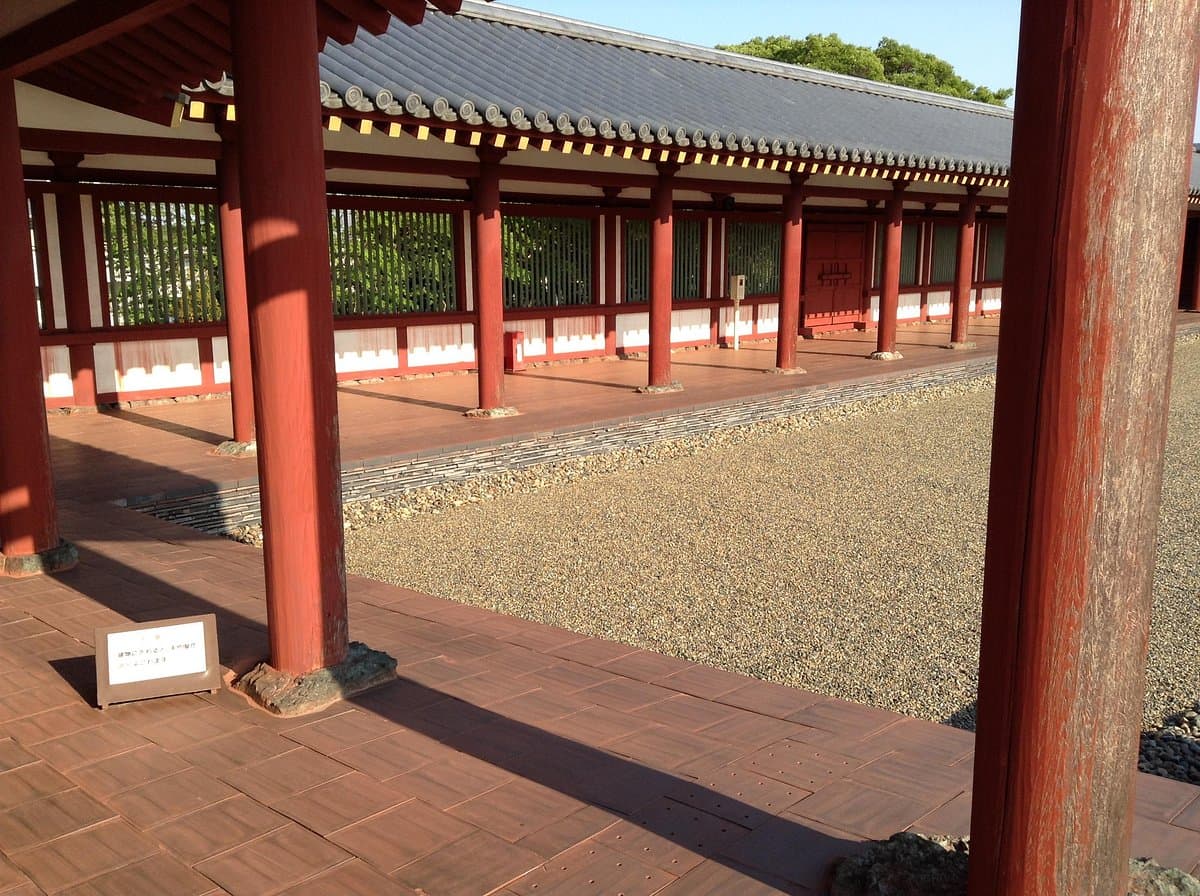
The Kamifusa Nunnery Remains Exhibition Pavilion is a small but significant historical site dedicated to preserving and showcasing the archaeological findings of the ancient Kamifusa Nunnery. This nunnery, believed to have been established in the 8th century, played a role in the religious landscape of the region during the Nara and Heian periods. The pavilion displays excavated artifacts, models, and informational panels that reconstruct the layout and daily life of the nunnery, offering insights into early Japanese Buddhism and the lives of women in that era.
Visitors consistently praise the well-maintained exhibits and the detailed information provided, which helps to contextualize the ruins. Reviewers note that while the site itself is not large, the quality of the archaeological presentation is high. Some visitors appreciate the quiet atmosphere, finding it a peaceful place for reflection. However, several reviewers mention that the pavilion's appeal is quite specific, primarily catering to those with a strong interest in Japanese history, archaeology, or Buddhist studies. Those expecting grand structures or extensive ruins might find it less engaging.
To make the most of your visit, allocate about 1 to 2 hours. It's best to visit during daylight hours, as the surrounding area is quiet. There are no specific items to bring, but comfortable shoes are always advisable for exploring historical sites. Given its specialized nature, consider combining a visit here with other local attractions if you are in the Ichihara area, rather than making it a standalone destination from afar. There are no reported money-saving tips as the entry fee is typically low or non-existent.
The Kamifusa Nunnery Remains Exhibition Pavilion is located at 3-5-2 Chuo, Kokubunjidai, Ichihara, Chiba Prefecture. Public transportation options to this specific location are limited, and reviewers do not consistently mention direct train or bus lines. It is generally recommended to access the site by car, as parking is usually available. If relying on public transport, research local bus routes from the nearest train station (e.g., Goi Station on the JR Uchibo Line or Keisei Chihara Line) to the Kokubunjidai area, and be prepared for a potential walk from the bus stop.
A common complaint among visitors is the lack of English information, which can make it challenging for non-Japanese speakers to fully appreciate the exhibits. To mitigate this, consider using a translation app on your smartphone to interpret the Japanese descriptions. Additionally, some visitors find the remote location inconvenient without a car. Planning your visit as part of a broader itinerary in the Ichihara region can help address this logistical challenge.