Mori Radio Station is a historical site featuring the remnants of a large radio facility used during World War II. It played a significant role in Japan's communication efforts during the war, and today, its decaying structures and imposing antenna towers stand as a silent testament to that era. For those interested in military history, abandoned places, or unique photography subjects, it offers a distinct experience.
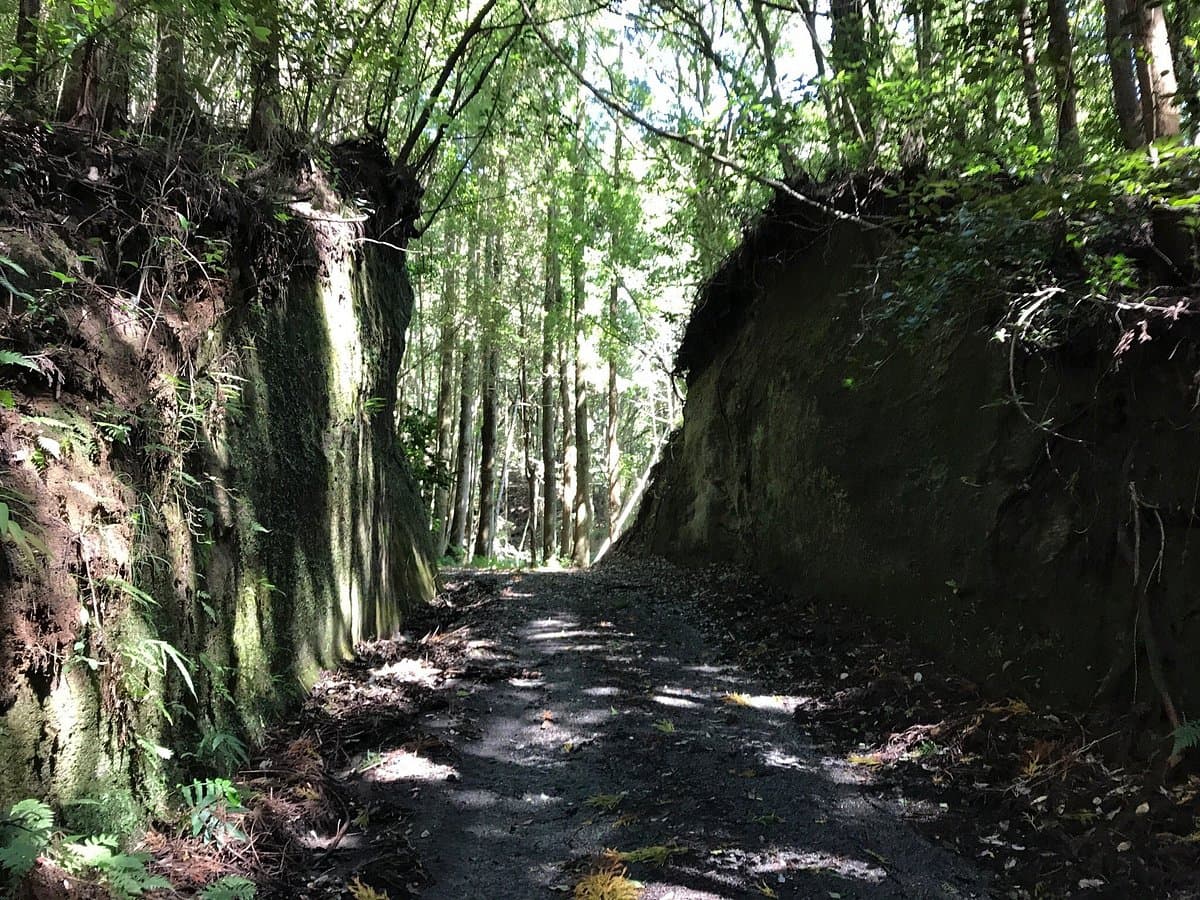
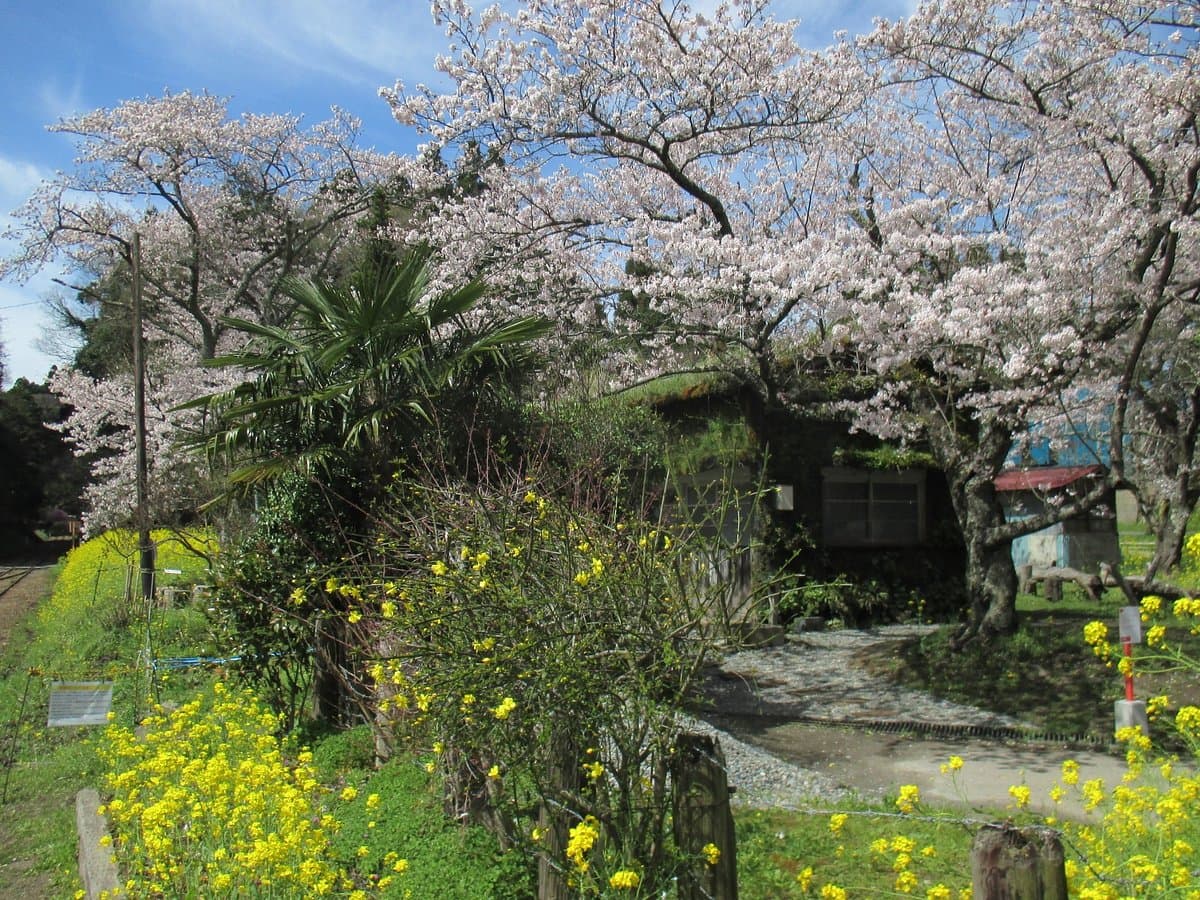
Visitors consistently praise the station's atmospheric and photogenic qualities, particularly the large antenna structures and the sense of history pervading the site. Many find the abandoned nature of the buildings intriguing, offering a rare opportunity for urban exploration. However, some reviewers warn that the site is largely unmaintained and can feel somewhat desolate, lacking official information or interpretive displays. The appeal lies more in its raw, untouched state rather than a curated historical exhibit.
When visiting, it's advisable to wear sturdy shoes suitable for uneven terrain, as the ground can be rough and overgrown. A visit typically lasts about 1 to 2 hours, allowing enough time to explore the main structures and take photographs. There are no facilities on-site, so bring your own water and any other necessities. The best time to visit is during daylight hours for safety and better visibility, especially since the area can be isolated. It's recommended to go with a companion rather than alone.
The Mori Radio Station is located at 539 Tsukizaki, Ichihara, Chiba Prefecture. Public transport options are limited, and reaching the site often requires a car or a taxi from the nearest train station. Reviewers suggest that driving is the most convenient way to access the site, as it is somewhat remote. Parking is informal, usually along the roadside near the entrance.
A common complaint among visitors is the lack of official signage, information, or maintenance, which can make the site feel neglected and potentially unsafe in some areas. To mitigate this, visitors should exercise caution, stick to well-trodden paths, and avoid entering any structures that appear unstable. Researching the site's history beforehand can also enhance the experience, as there is little on-site context provided.