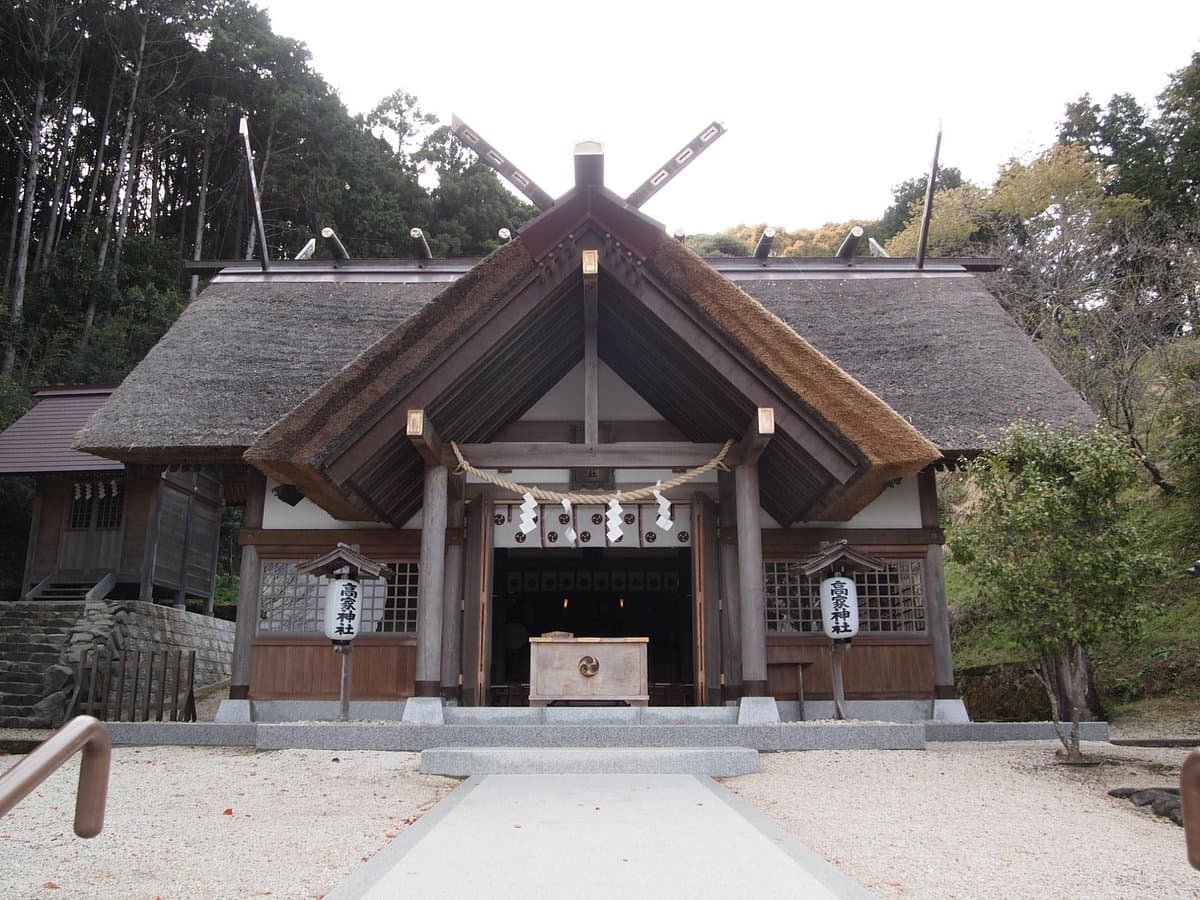
Takabe Shrine holds a unique position among Japan's Shinto shrines as it is exclusively dedicated to the god of cuisine. Its historical significance dates back to the early 17th century, with roots tracing to an 8th-century account of Emperor Keikou's travels and his sustenance by local delicacies. This makes it a significant spiritual site for chefs, restaurateurs, and anyone involved in the food industry, who often visit to pay their respects and pray for success.
Visitors consistently praise the shrine's unique dedication and the cultural insight it offers. Many find the concept of a culinary god fascinating and appreciate the opportunity to witness traditional Japanese rituals. The most highlighted aspect is the Hocho-Shiki performance, a traditional knife ceremony where a chef prepares food without touching it with their hands, using only a special knife and chopsticks. Reviewers describe this as a captivating and rare cultural experience.
To make the most of your visit, plan your trip around the dates of the Hocho-Shiki performances: May 17, October 17, and November 23. These events are the primary draw and offer the most engaging experience. Allocate about 1-2 hours for your visit, which allows ample time to explore the shrine grounds, observe any rituals, and soak in the atmosphere. There are no specific items to bring, but comfortable shoes are always advisable for exploring shrine grounds. Consider visiting in the morning for a more tranquil experience before potential crowds arrive, especially on festival days.
Takabe Shrine is located at 164 Chikuracho Minamiasai, Minamiboso, Chiba Prefecture. While specific public transport details are not extensively mentioned in reviews, Minamiboso is generally accessible by train lines from major cities in Chiba Prefecture. Visitors often combine a trip to Takabe Shrine with other attractions in the Minamiboso area, suggesting that driving might be a convenient option for exploring the region. Check local bus schedules from the nearest train station for direct access to the shrine.
Common complaints are not explicitly detailed in reviews, but visitors should manage expectations regarding the shrine's size; it is a local shrine, not a sprawling complex. Those expecting a large, bustling tourist attraction might find it quieter than anticipated outside of festival days. To mitigate this, focus on the unique cultural significance and the peaceful ambiance rather than seeking grand scale.