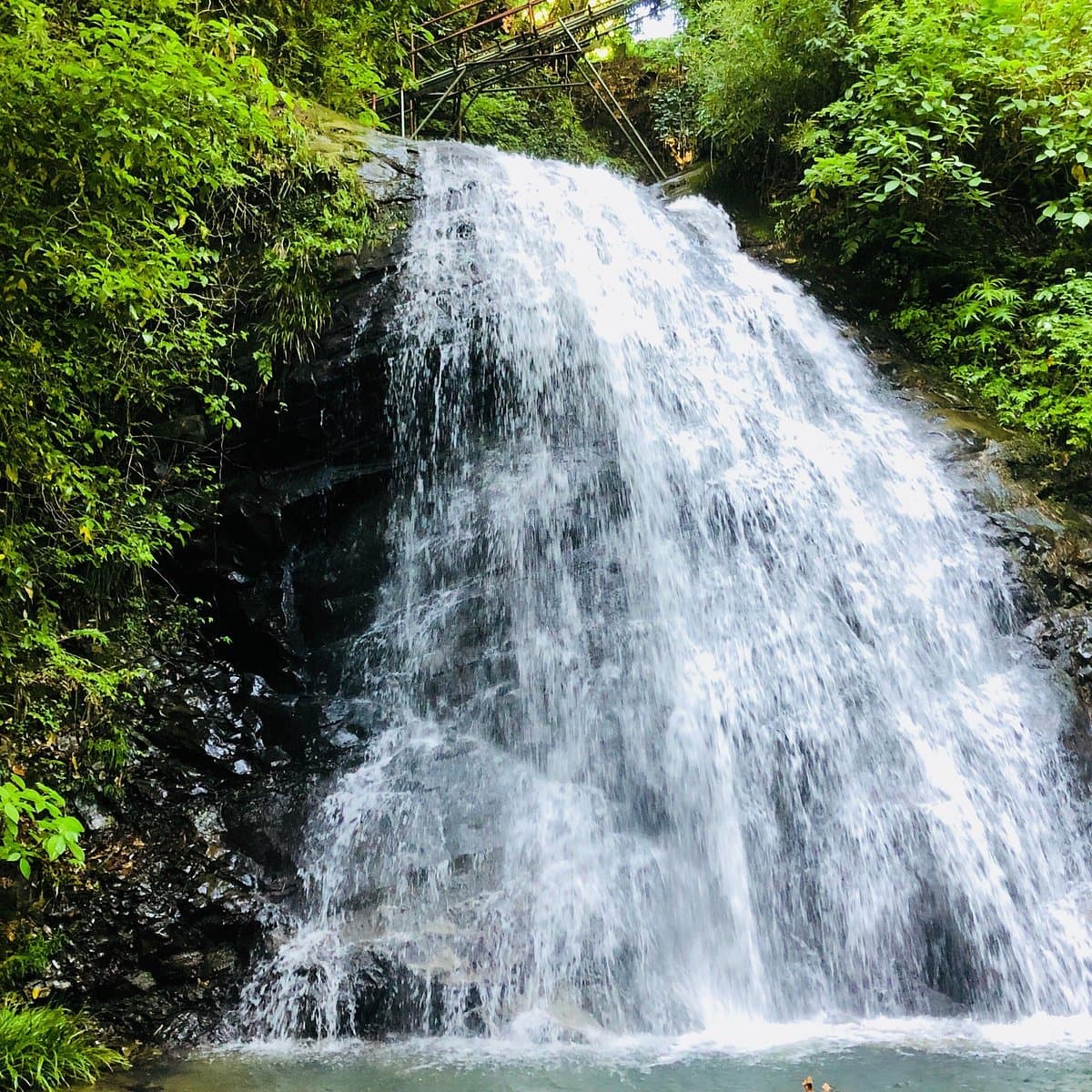
Yoro Valley, known as Yoro Keikoku in Japanese, is a natural haven located in Chiba Prefecture, offering a significant contrast to the urban sprawl of Tokyo. It's a cherished destination for those seeking tranquility, clean air, and outdoor activities, particularly hiking and enjoying scenic waterfalls and hot springs. The valley is especially renowned for its stunning autumn foliage, which transforms the landscape into a vibrant spectacle.
Visitors consistently praise the valley for its peaceful and quiet atmosphere, making it an excellent place to relax and de-stress. Many highlight the variety of hiking courses available, ranging from short, easy walks to more challenging treks that can take several hours. The opportunity to breathe clean air and engage in physical activity amidst beautiful natural surroundings is a recurring theme in positive reviews. Some reviewers also mention unique features like hidden waterfalls, small pools, and even the "Site of Reversible Destiny" as interesting points of interest.
For a fulfilling visit, plan to spend at least half a day, or a full day if you intend to explore multiple hiking trails. Bringing comfortable walking shoes is essential, as even paved paths can have slight inclines and declines. Pack water and snacks, especially if you venture onto longer trails, as amenities might be limited in certain areas. While the valley is beautiful year-round, autumn is widely considered the best time to visit for the spectacular fall colors. Visiting on a sunny day is also recommended to fully appreciate the scenery.
Reaching Yoro Valley requires some planning. While it is accessible by car, many visitors opt for public transport. The Kominato Line train from Goi offers a pleasant journey to Yoro Keikoku Station. From Tokyo Station, it's possible to reach the area by train and bus, though bus services can be limited, especially on Sundays. Reviewers suggest checking bus schedules in advance, as they might not be frequent. Some longer hiking courses start directly from Yoro Keikoku Station, making it a convenient starting point.
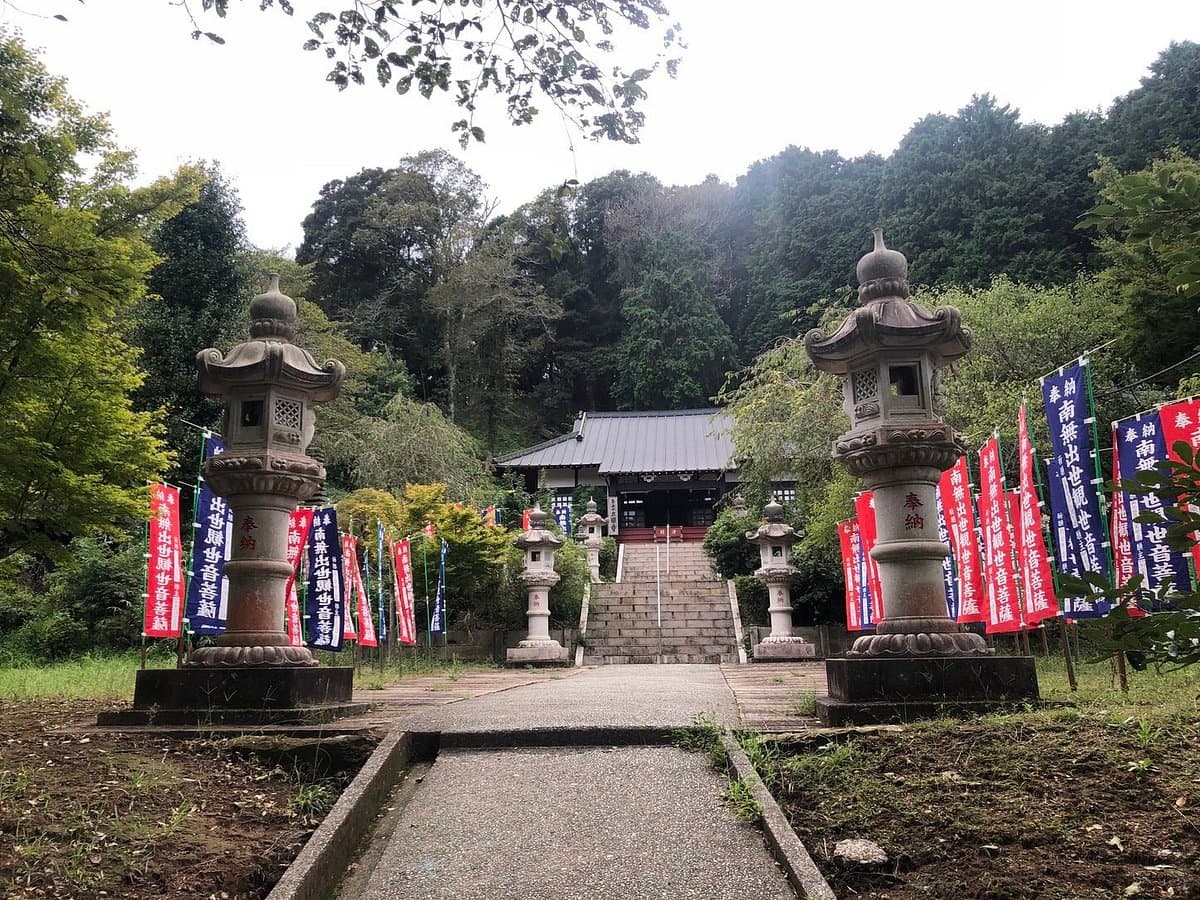
A common point to be aware of is the potential for limited facilities and the need for self-sufficiency, particularly on less-traveled trails. While some areas might have amenities like a kid's pool or a shrine, the primary draw is the untouched natural environment. Be prepared for varying trail conditions; some paths are paved, while others are more rugged and involve crossing rivers. Always stay on marked trails and respect the natural environment.