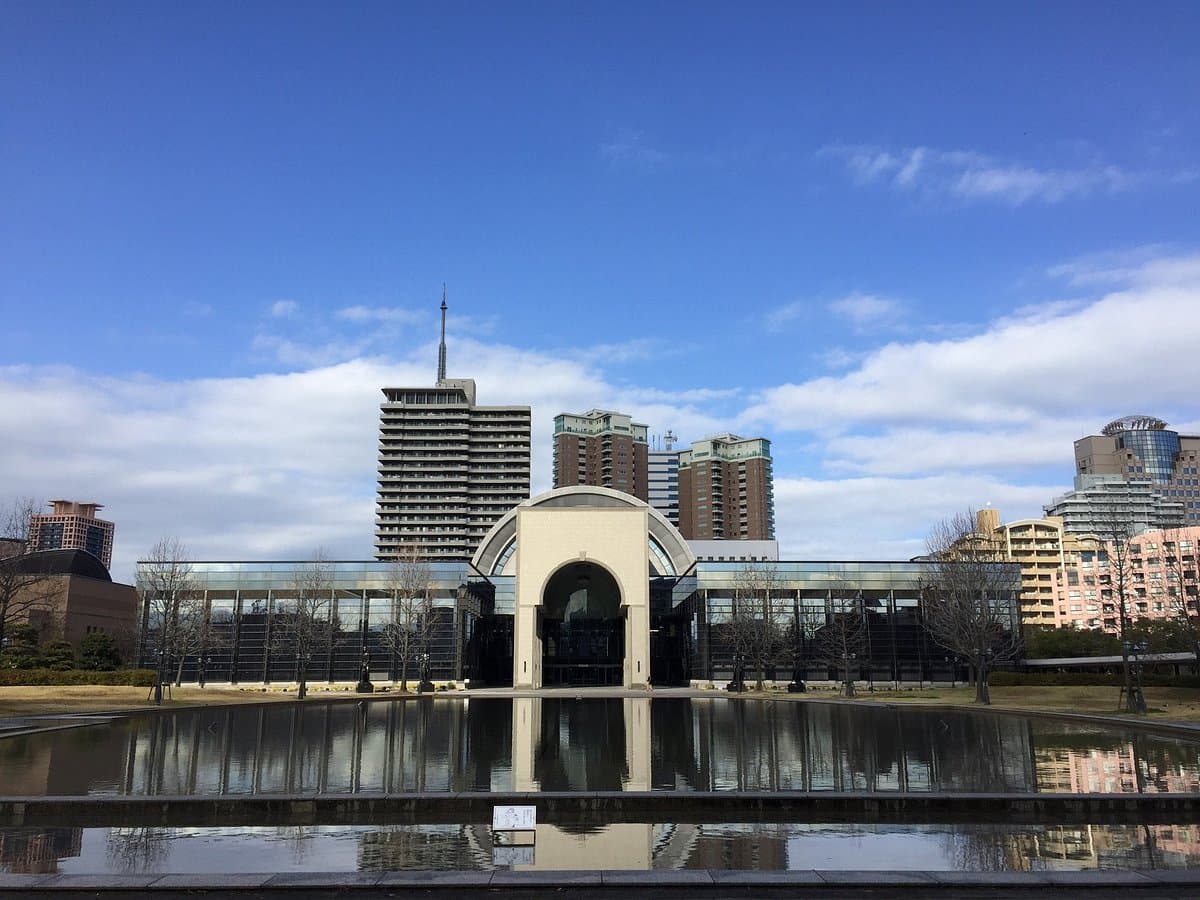
The Fukuoka City Museum serves as a vital repository of the region's history, showcasing Fukuoka's evolution from ancient settlements to a modern metropolis. It highlights the city's unique position as a gateway for foreign influence and trade, particularly with China and Korea, which profoundly shaped early Japanese civilization. The museum's most celebrated artifact is the Gold Seal, a National Treasure gifted by a Chinese emperor, symbolizing Fukuoka's historical significance.
Visitors consistently praise the museum for its well-arranged and informative permanent exhibitions, which cover various periods from Jomon to contemporary times. Many find the displays engaging and easy to follow, even for those unfamiliar with Japanese history. The museum is often commended for its reasonable entry fee and the overall quality of its exhibits. However, a recurring theme in reviews is the limited English information available for some exhibits, with many suggesting that renting the audio guide is essential for non-Japanese speakers to fully appreciate the content. Some visitors also note that photography is generally not permitted, which can be a minor disappointment.
To make the most of your visit, plan to spend approximately 2 to 3 hours exploring the permanent collection. Consider renting the English audio guide (for an additional fee) to enhance your understanding, as English signage can be sparse. Reviewers suggest combining a visit here with other nearby attractions like Fukuoka Tower, as the museum is located in the same area. It's a particularly good option for a rainy day or if you're looking for an indoor activity. While the museum shop receives mixed reviews, the café offers decent food and a nice view.
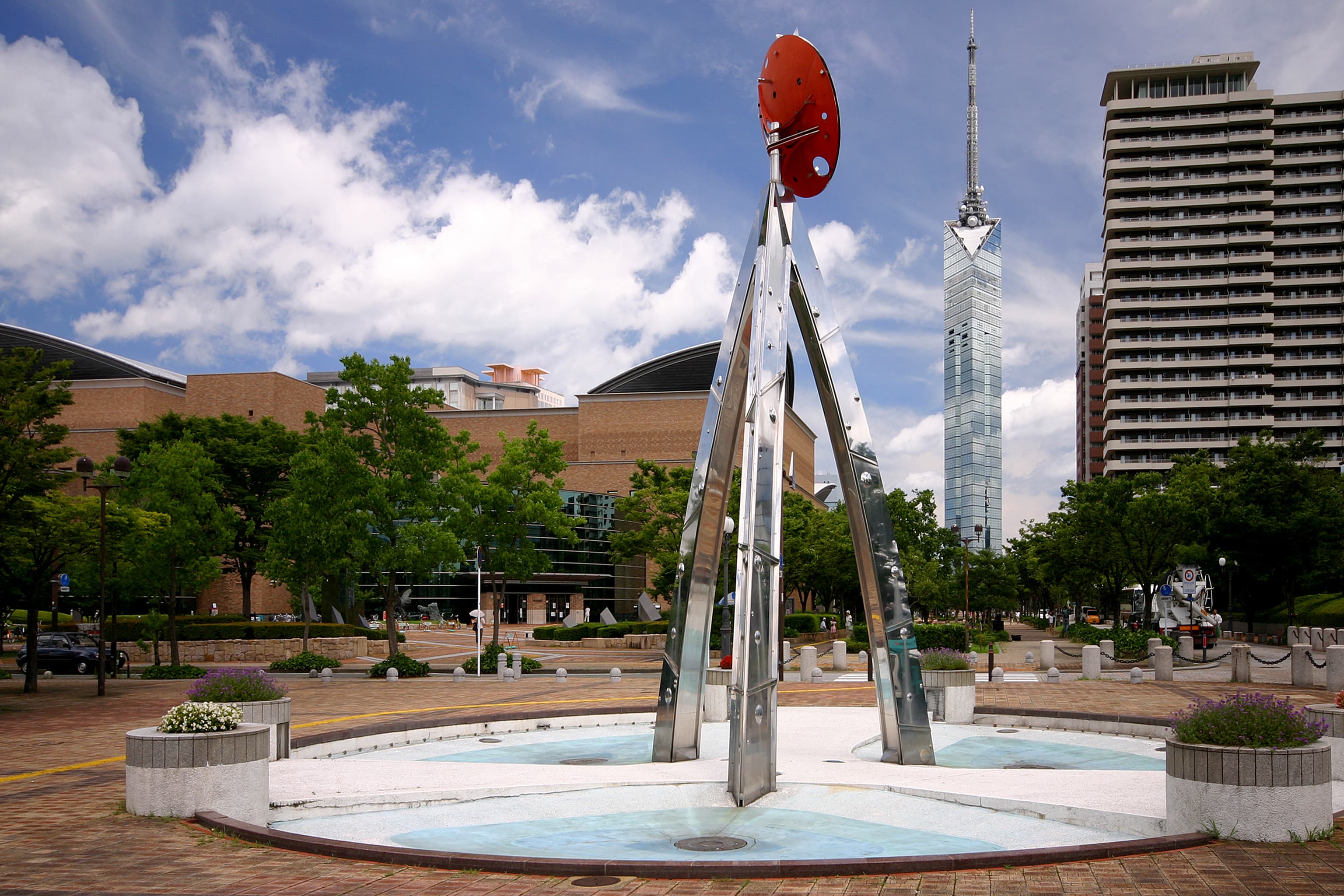
The Fukuoka City Museum is situated in the Momochi Seaside Park area. While not directly adjacent to a subway station, the nearest is Nishijin Station on the Subway Airport Line. From Nishijin Station, it's a walk of about 15-20 minutes, or you can take a local bus. Several visitors mention taking a bus from Tenjin, which takes approximately 30 minutes. If you're coming from Fukuoka Dome or Fukuoka Tower, the museum is within walking distance, though some found the walk from the Dome to be quite far. Driving is an option, and the area is generally accessible, but public transport is widely recommended in Fukuoka.
The primary complaint revolves around the lack of comprehensive English explanations for all exhibits. To mitigate this, visitors strongly recommend purchasing the audio guide. While some special exhibitions might have even less English information, the permanent collection generally offers enough context with the audio guide. Be aware that the museum's architecture, while spacious, has been described by some as somewhat dated, reflecting its 1990s construction.