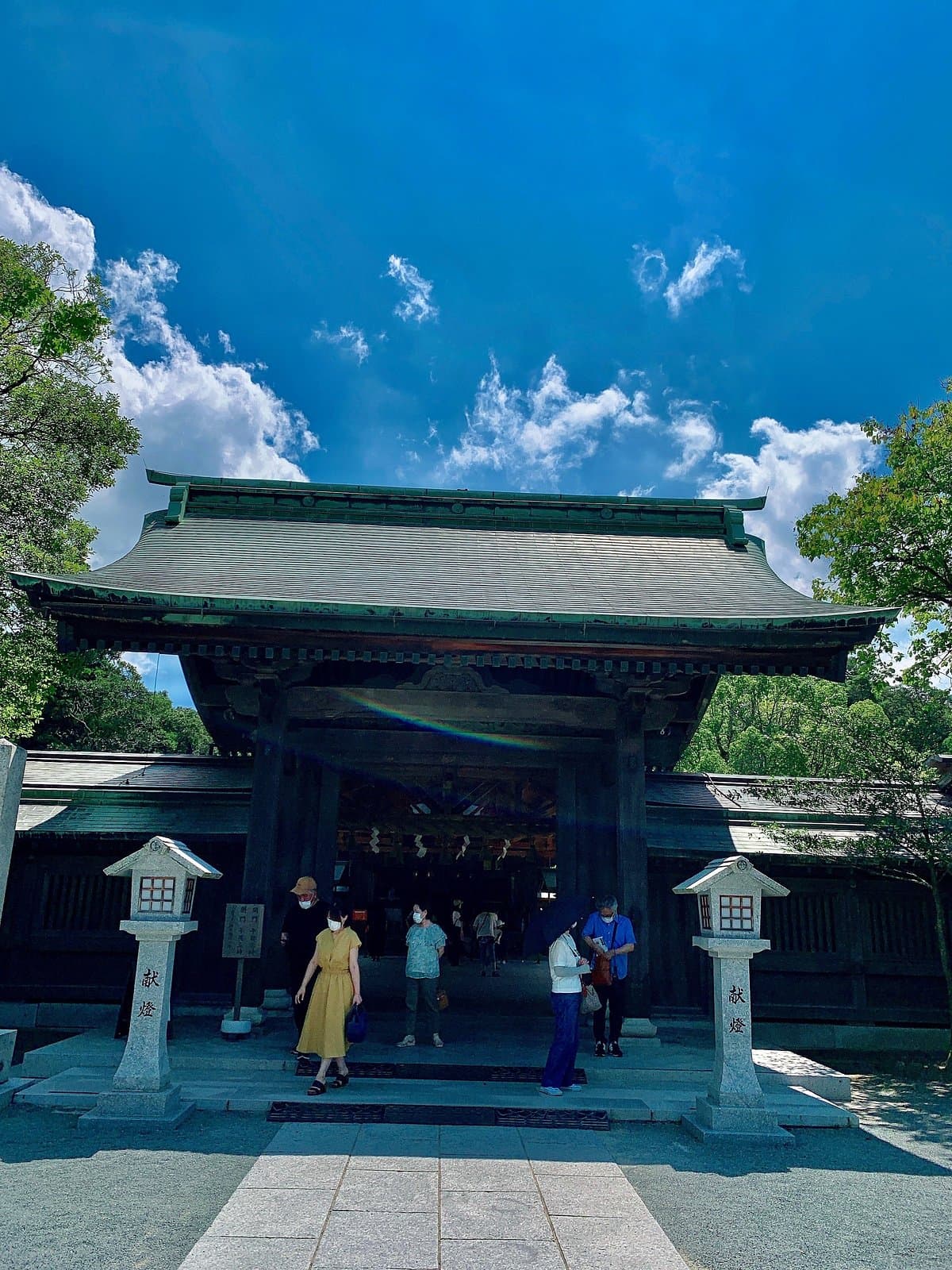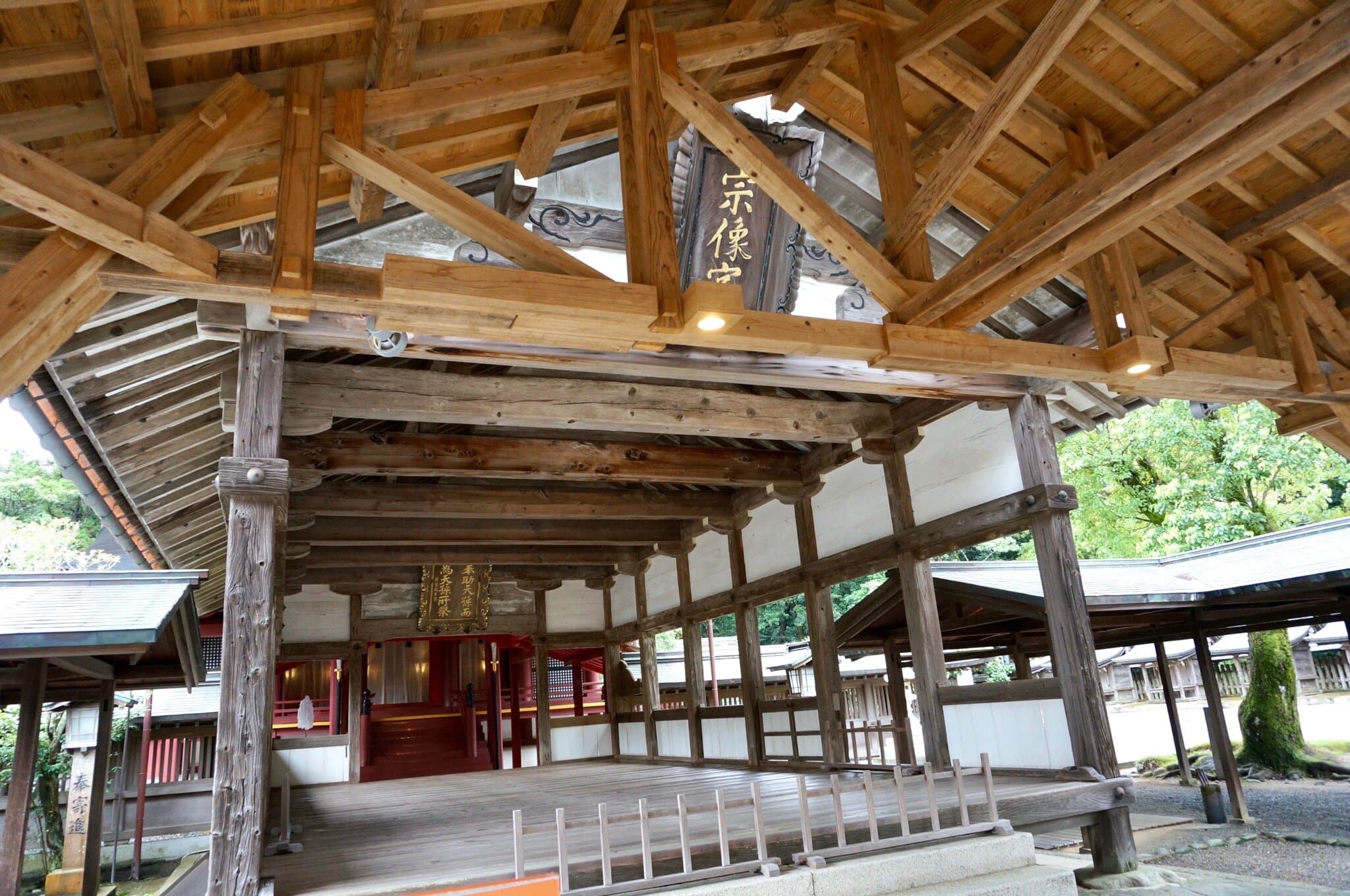
Munakata Shrine, specifically the Hetsunomiya complex on the main island of Kyushu, is a crucial part of the "Sacred Island of Okinoshima and Associated Sites in the Munakata Region" UNESCO World Heritage designation. It serves as the head shrine for the Munakata deities and is deeply rooted in ancient maritime beliefs, offering a glimpse into Japan's spiritual heritage.
Visitors consistently praise the shrine's serene atmosphere and natural beauty, describing it as a "power spot" where one can feel purified. Many appreciate the historical significance and the opportunity to explore a less commercialized site compared to other popular attractions. The Munakata Grand Shrine Shimpokan (Treasure Museum) is frequently highlighted as a worthwhile addition, housing national treasures related to the shrine's history. Reviewers note that the museum's entrance fee is considered good value, despite photography not being permitted inside.
To make the most of your visit, allocate 2-3 hours to explore the main shrine grounds and the Shimpokan museum. While the shrine is beautiful year-round, some visitors recommend visiting during specific festivals like Shichi-go-san or to see chrysanthemum shows in autumn. Bringing some yen for the museum entry and possibly for feeding the carp in the pond (a popular activity) is advisable. Several visitors suggest walking through the road to Takamiya-saijo for additional scenic views and ancient sites.
Getting to Munakata Shrine can be an adventure, as several reviewers note. While public transportation is possible, it requires planning. From JR Togo Station, local buses are available, though they run infrequently (one to two per hour). Reviewers strongly recommend checking bus schedules in advance. For greater convenience, especially for families or those with limited time, a rental car or private car is highly recommended. Parking is available, with the Shrine Treasure Museum located near the third parking lot of Hetsunomiya. A taxi from nearby hotels can cost around 2000 yen (approx. $20) one way.
A common complaint is the perceived difficulty of access via public transport and the relatively modest appearance of the shrine buildings themselves compared to some other grander temples. To mitigate this, plan your public transport route meticulously using real-time apps or consider the convenience of a rental car. Manage expectations regarding the architectural grandeur; the true value of Munakata Shrine lies in its historical significance, spiritual ambiance, and the artifacts within the Shimpokan museum.