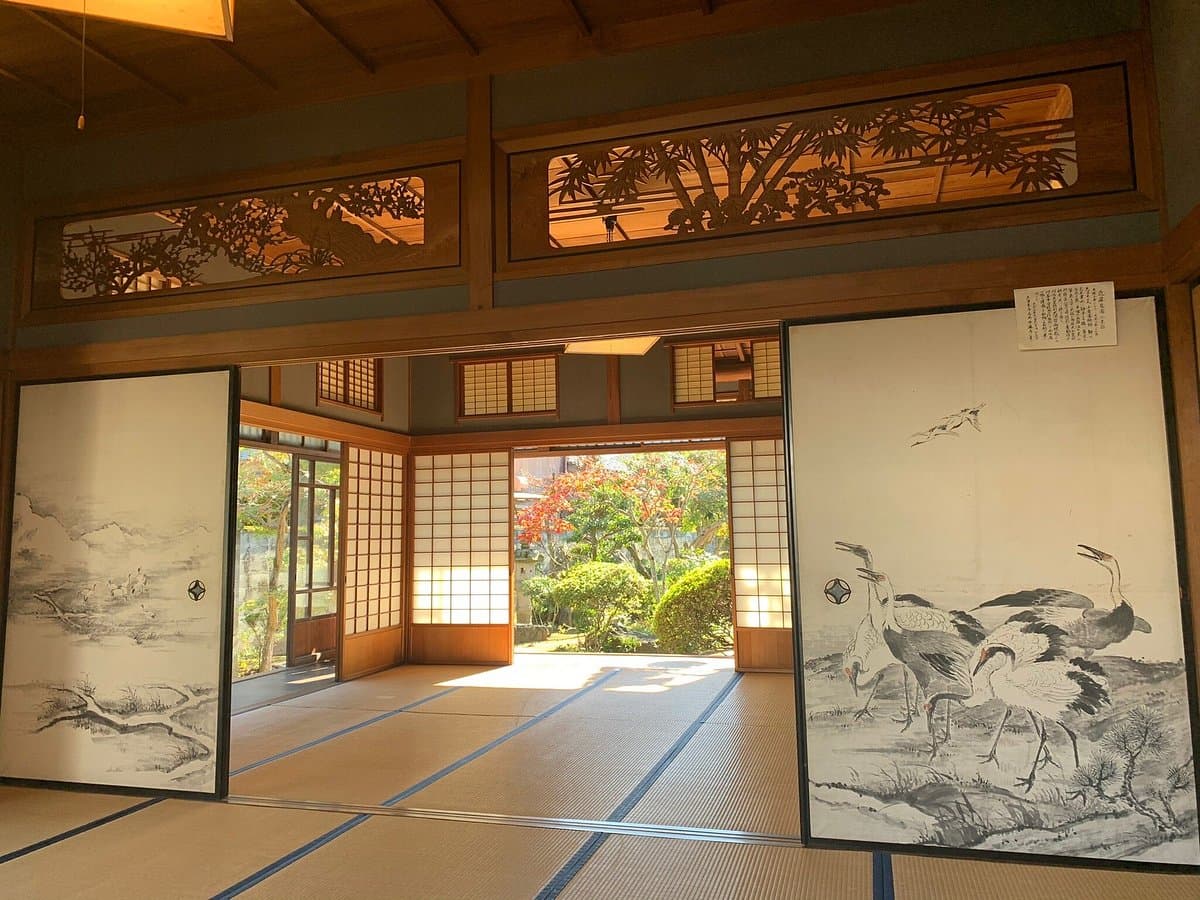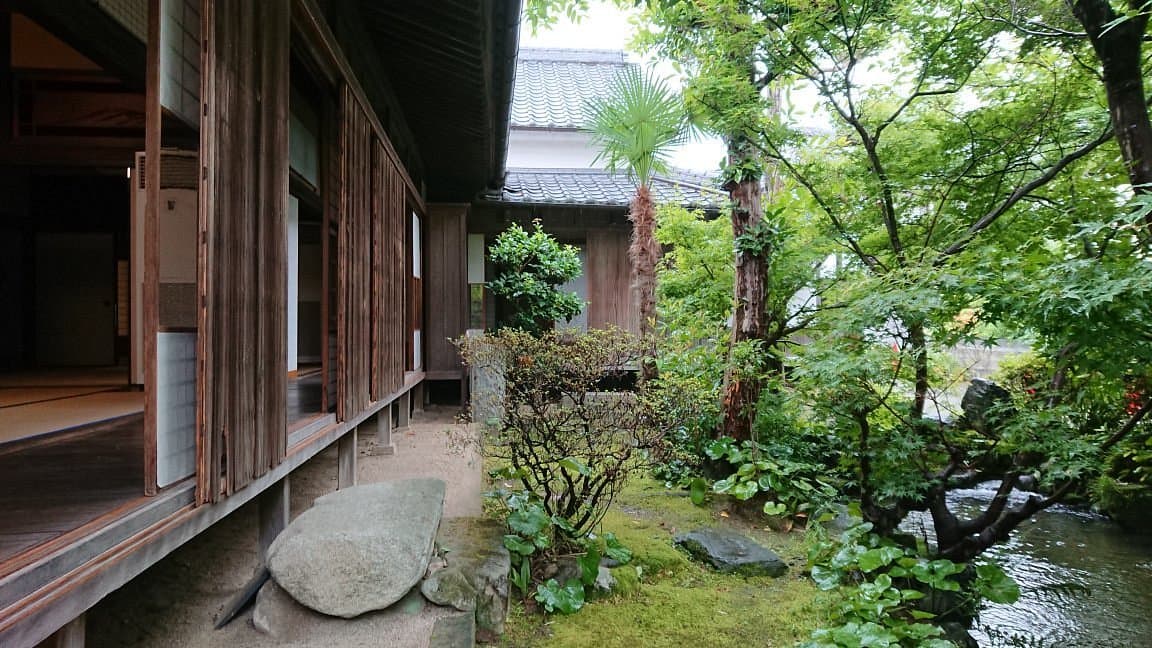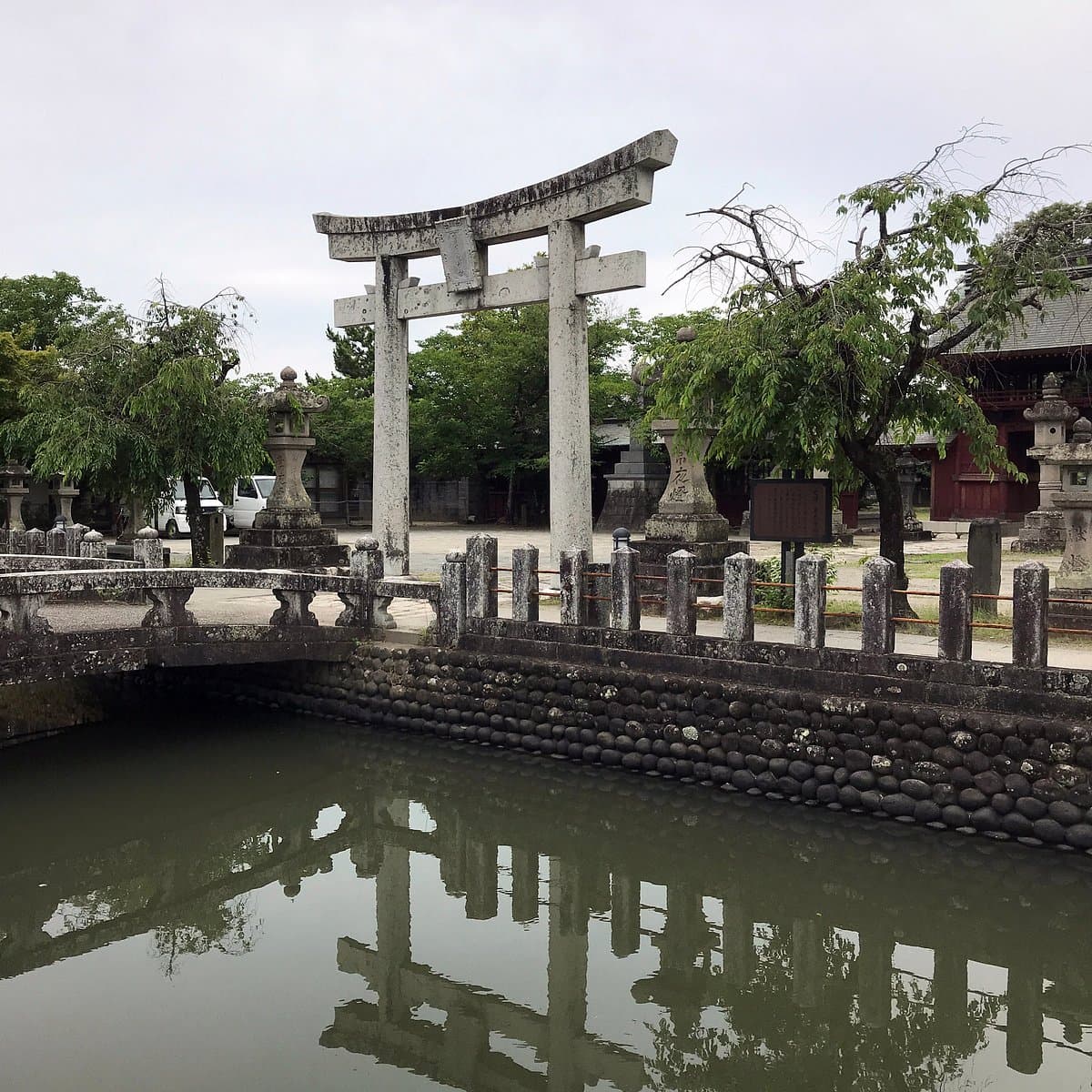
The Streets of Shirakabe Dozozukuri, or the 'White-Walled Storehouse District,' in Ukiha, Fukuoka Prefecture, is a historically preserved area renowned for its traditional Japanese architecture. The district features numerous 'dozozukuri' (earthen storehouses) with distinctive white plaster walls, many of which date back to the Edo and Meiji periods. These buildings, originally used for storage and commerce, now house a mix of shops, cafes, and private residences, offering a tangible connection to Japan's past.
Visitors consistently praise the area for its tranquil and authentic atmosphere, noting the absence of large tourist crowds. Reviewers highlight the charm of walking through the well-preserved streets and observing the unique architecture. The district is often described as a peaceful escape, providing a stark contrast to more bustling Japanese cities. The fact that many buildings are still actively used by locals contributes to a sense of genuine community and living history.
To make the most of your visit, plan for a leisurely stroll of about 1-2 hours. There are no specific entry fees, as it is an open street area. Consider visiting during daylight hours to fully appreciate the architectural details and the natural light reflecting off the white walls. While there are shops and cafes, it's advisable to bring any specific snacks or drinks you might need, especially if visiting during off-peak times when some establishments might be closed. Comfortable walking shoes are recommended.
The most convenient way to reach the Streets of Shirakabe Dozozukuri is by train. The nearest station is JR Chikugo Yoshii. From there, the district is within walking distance. As the area is not heavily advertised, public transport is generally uncrowded. If driving, National Route 210 (Chikugo Kaido) passes nearby, and local parking options should be available, though specific details are not widely published.
A common observation is the lack of extensive tourist infrastructure, such as numerous English signs or dedicated information centers. While this contributes to its authentic charm, visitors should be prepared to navigate with basic Japanese phrases or a translation app. The quiet nature of the area means fewer dining and shopping options compared to major tourist hubs, so planning ahead for meals is advisable.