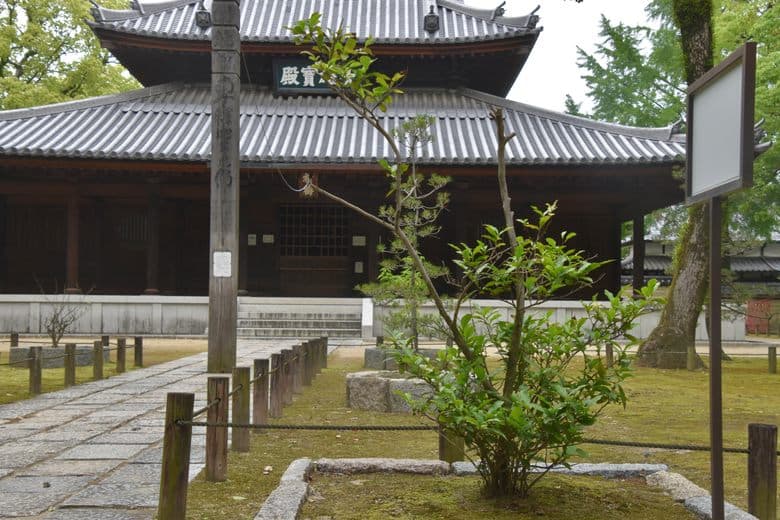
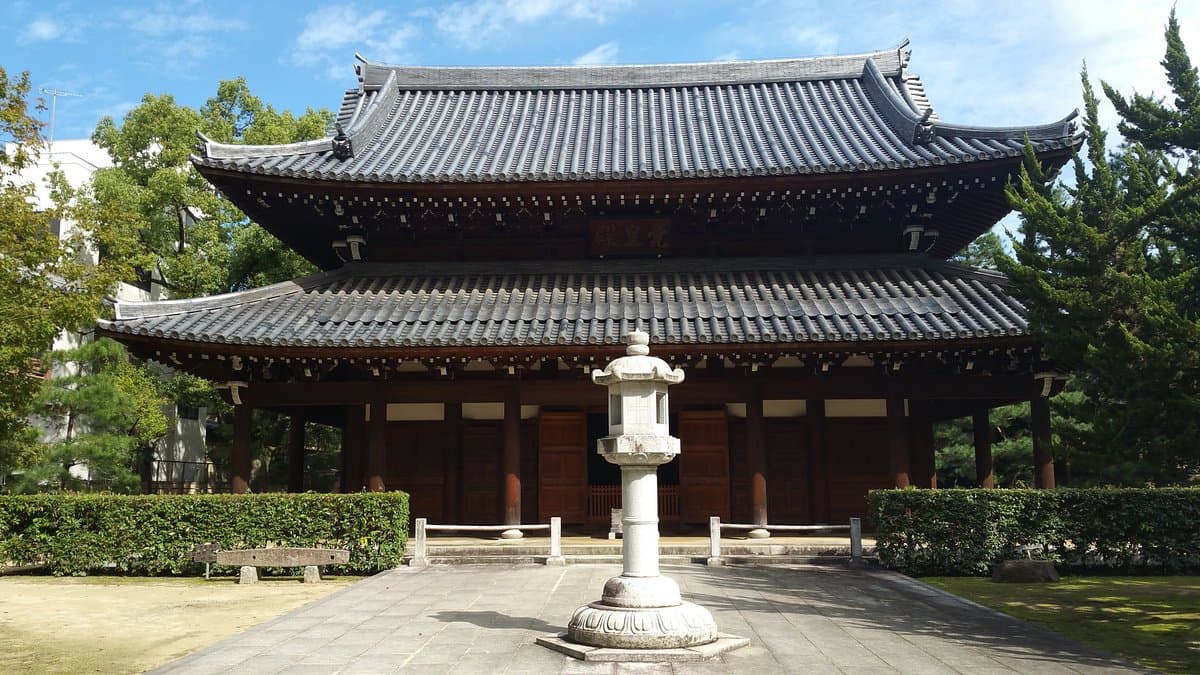
Tochoji Temple, founded in 806 AD by the revered monk Kobo Daishi (Kukai), is a significant historical and spiritual site in Fukuoka. It holds the distinction of being one of Japan's oldest esoteric Buddhist temples and serves as the main temple of the Kyushu Shingon sect. Beyond its historical roots, it's a tranquil oasis in the bustling city, offering visitors a glimpse into traditional Japanese Buddhist culture and architecture.
Visitors consistently praise the temple's serene atmosphere and its beautiful architecture, particularly the vibrant red five-story pagoda, which many find to be a highlight and a popular photo opportunity. The temple's most notable feature is the Fukuoka Daibutsu, Japan's largest wooden seated Buddha statue, which many describe as magnificent and a must-see. Reviewers frequently mention the unique experience of the 'hell to heaven' dark tunnel located behind the Buddha, which is often described as fascinating, spiritual, and even a bit bizarre. The temple grounds are well-maintained, and many appreciate the peaceful gardens, especially during cherry blossom season when an ancient cherry tree is in full bloom, or in autumn when the foliage creates a harmonious contrast with the pagoda.
To make the most of your visit, plan to spend about 30 minutes to an hour exploring the grounds and the main attractions. While entry to the temple grounds is free, there is a small fee of 50 yen to enter the hall to see the Great Buddha and experience the dark tunnel. Visitors recommend bringing small coins for this, as no change is given. Photography of the Buddha statue itself is strictly prohibited, but photos are encouraged outside. The temple is particularly beautiful during spring for cherry blossoms and autumn for fall foliage. Many visitors find the early morning hours to be the most peaceful, with fewer crowds.
Tochoji Temple is conveniently located in the Hakata area, making it easily accessible. It's about a 10-minute walk from Hakata Station along Taihaku-dori, or a short walk from Gion Station (K10) on the Kuko (orange) subway line. Several reviewers highlight its proximity to other attractions like Kushida Shrine, suggesting a combined visit on foot. Its central location means it's well-served by public transport, and many find it a pleasant stroll from major points in the city.
A common point mentioned by visitors is that the temple grounds are not very large, and some of the older buildings, including the historically significant Rokkakudo, are often not open for interior viewing except on specific days (like the 28th of each month). While this might disappoint some expecting extensive exploration, most agree that the main highlights—the pagoda, the Great Buddha, and the dark tunnel—offer a sufficiently rich experience. The apartments overlooking the graves are noted by some as slightly imposing, but this does not detract significantly from the overall tranquil atmosphere.