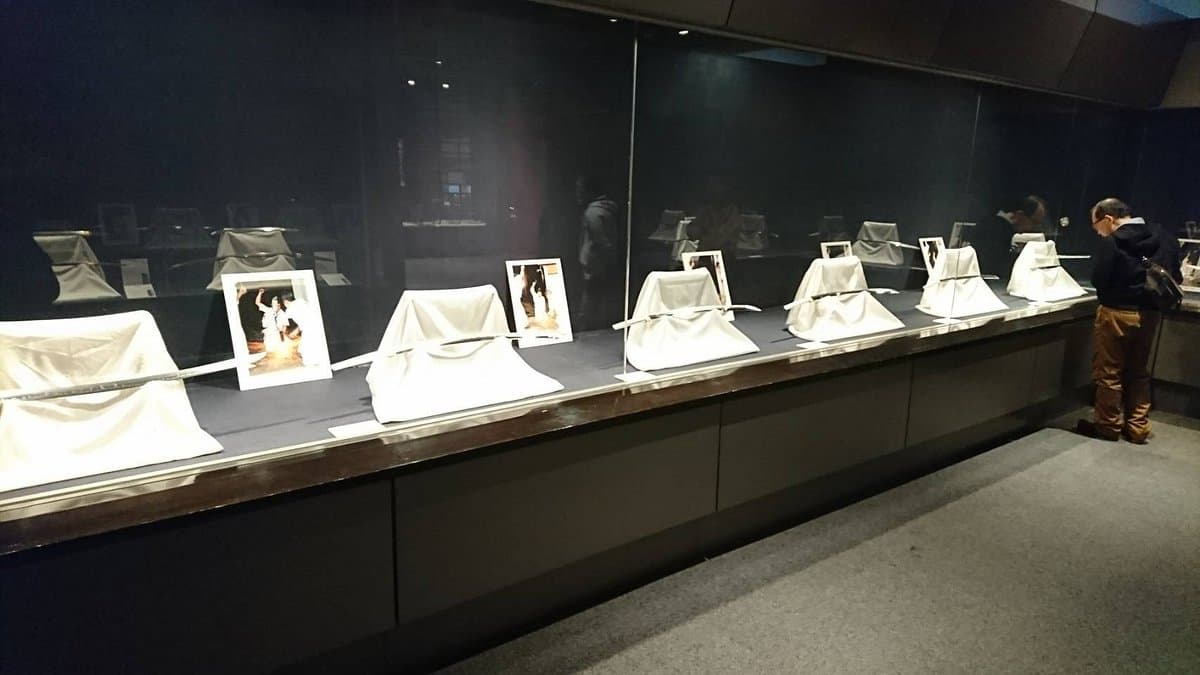
The Feather Museum of Razor is dedicated to the history and evolution of cutting tools, with a particular focus on razors and blades, reflecting Seki's long-standing heritage as a center for blade production. It showcases the intricate craftsmanship and technological advancements that have shaped these essential tools over centuries, from ancient Japanese swords to contemporary shaving instruments.
Visitors frequently highlight the museum's interactive nature and well-designed exhibits as major draws. Many reviewers, initially skeptical, found themselves thoroughly engaged by the displays, which include opportunities to learn about different types of cuts, test and rate modern razors, and play educational games. The museum effectively caters to an international audience, with English leaflets provided to help non-Japanese speakers navigate the exhibits and understand the detailed information. The timeline presentation of products and the insights into the dedication of the company's employees are also frequently mentioned as positive aspects.
To make the most of your visit, allocate approximately 1 to 2 hours. The museum is entirely indoors, making it a suitable activity regardless of weather. Since admission is free, it offers excellent value. Consider visiting during off-peak hours to enjoy the interactive exhibits without crowds. While there are no specific items to bring, comfortable shoes are always advisable for museum exploration.
The Feather Museum of Razor is located at 1-17 Hinodemachi, Seki, Gifu Prefecture. Information on specific public transport routes directly to the museum is not widely detailed in reviews, but Seki is accessible by train. From Nagoya, take the Meitetsu Line to Shin-Sakai, then transfer to the Meitetsu Kakamigahara Line to Shin-Unuma, and finally the Nagaragawa Railway Etsumi-Nan Line to Seki Station. From Seki Station, the museum would likely be a short taxi ride or a longer walk. Driving is also an option, and parking availability should be confirmed locally.
No significant complaints or issues are consistently reported by visitors. The main challenge might be the relatively niche subject matter, which might not appeal to everyone. However, even those initially skeptical often leave pleasantly surprised by the depth and engagement of the exhibits.