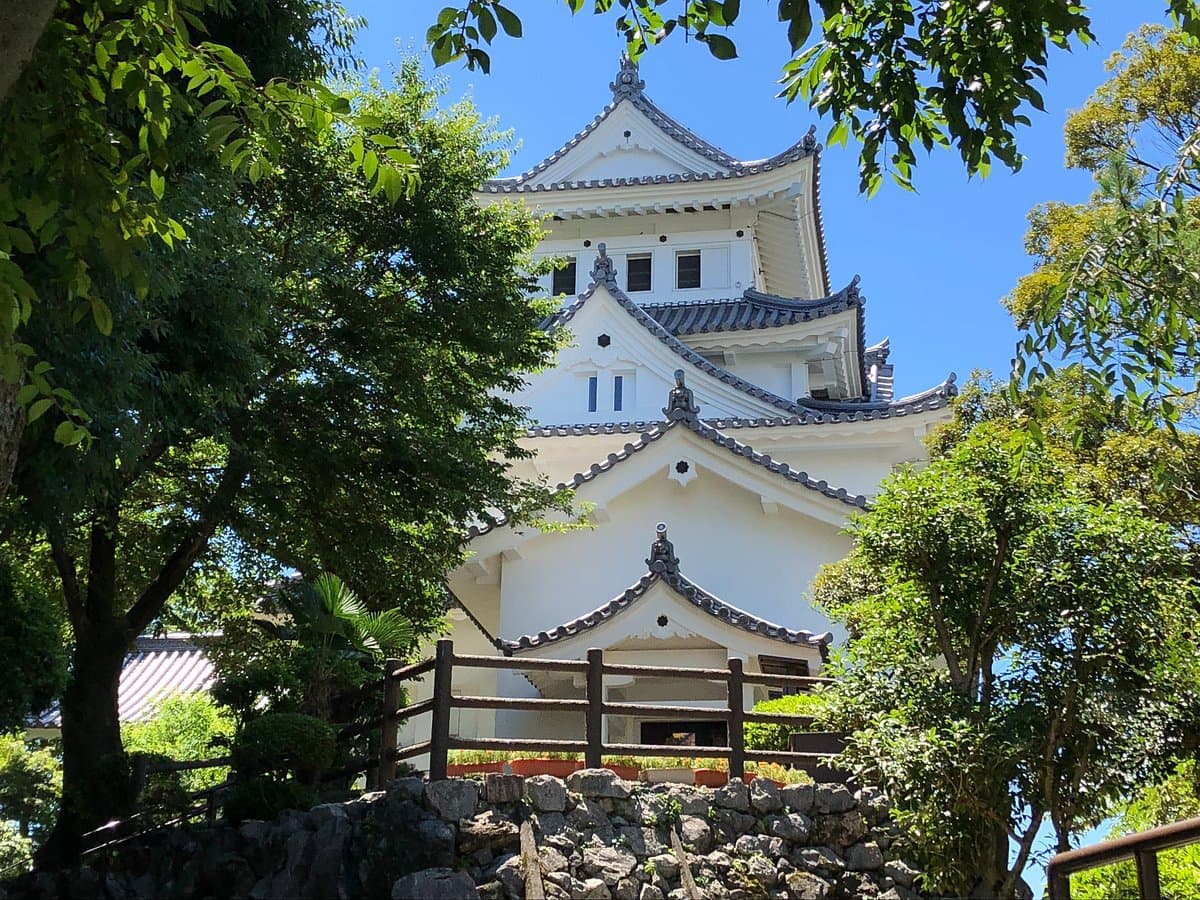
Ogaki Castle is a reconstruction of a significant Japanese castle, originally built in 1588 and later destroyed during World War II. Its importance lies primarily in its strategic role during the Sengoku period, particularly as a key location leading up to the pivotal Battle of Sekigahara. Today, it serves as a small history museum, offering insights into the castle's past and the broader historical context of the region.
Visitors consistently praise the castle's convenient location, often noting it's just a short walk from Ogaki Station, making it an easy addition to a day trip. Many appreciate the affordable entry fee and the historical exhibits inside, which include models of battles, armor, and weapons. The castle grounds are also highlighted, especially during cherry blossom season, for their beauty and the presence of a park and local museum nearby. Reviewers frequently mention the castle's charm despite its smaller size, and its appeal to those interested in the Battle of Sekigahara.
To make the most of your visit, consider purchasing the combined ticket for the castle and the local museum, as several visitors recommend it for the added value. While the castle is a reconstruction, its historical significance is well-presented. Plan to spend about 1-2 hours exploring the castle and its immediate surroundings. If visiting during cherry blossom season, be prepared for more crowds but also a more picturesque setting. English descriptions for artifacts are limited, so those who don't read Japanese might find some exhibits less engaging.
Ogaki Castle is easily accessible, located approximately a 7-minute walk from JR Ogaki Station. Many visitors arrive via the JR Tokaido Main Line. Upon exiting the station, head north; some reviewers suggest a 20-minute walk, while others note it's closer to 7-10 minutes along a shopping street. There is a tourist information center at JR Ogaki Station where you can ask for directions. For those driving, finding nearby parking can be a challenge, with some visitors resorting to paid parking lots as a dedicated castle parking area is not readily apparent.
A common complaint is the castle's small size and the fact that it is a post-war concrete reconstruction, which can disappoint those expecting an original, grander structure. To mitigate this, adjust your expectations and focus on the historical information provided rather than the architectural authenticity. Some visitors also note the limited number of exhibits, suggesting it's more of a small history museum than a vast castle complex. Embrace it as a compact, informative stop rather than a major all-day attraction.