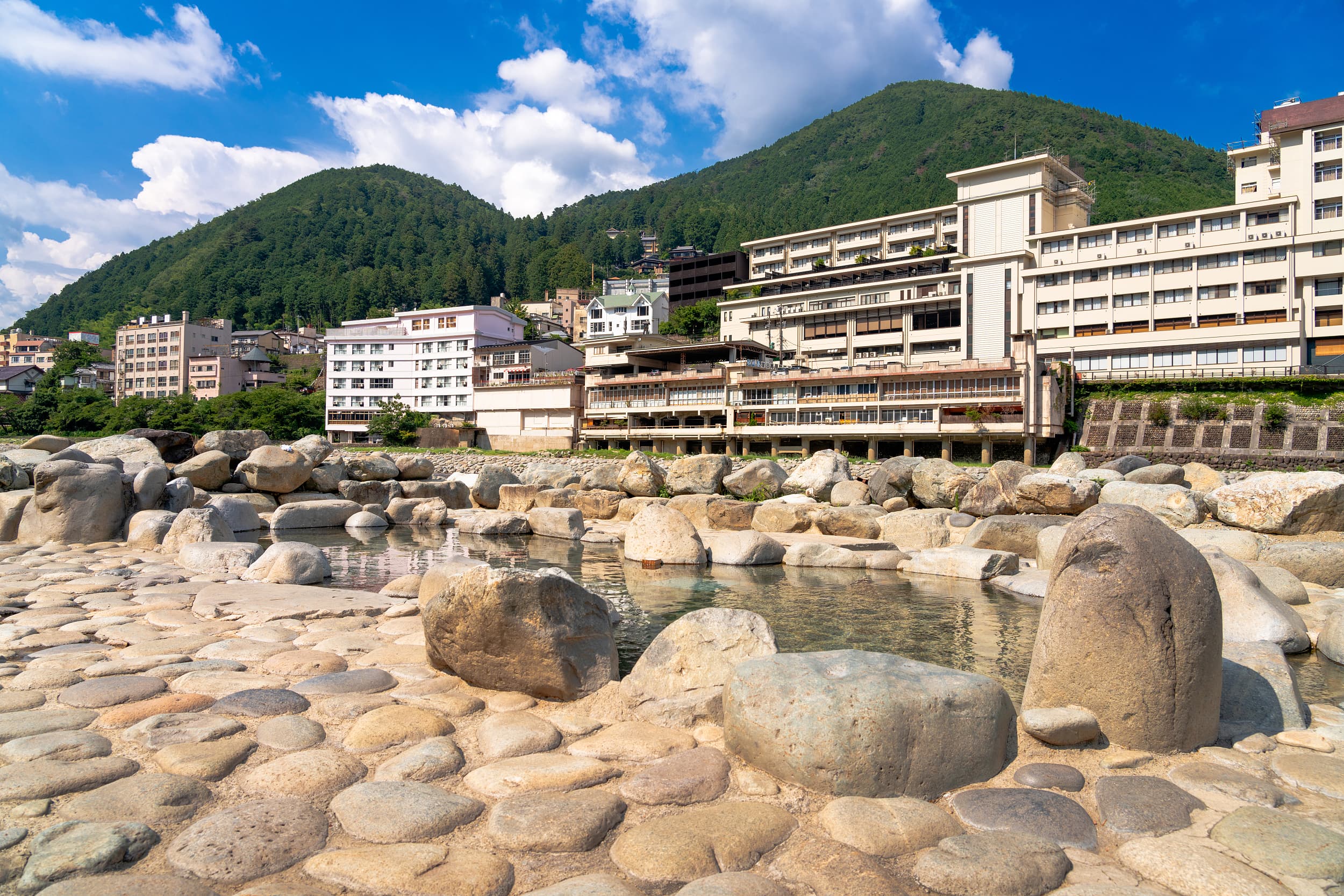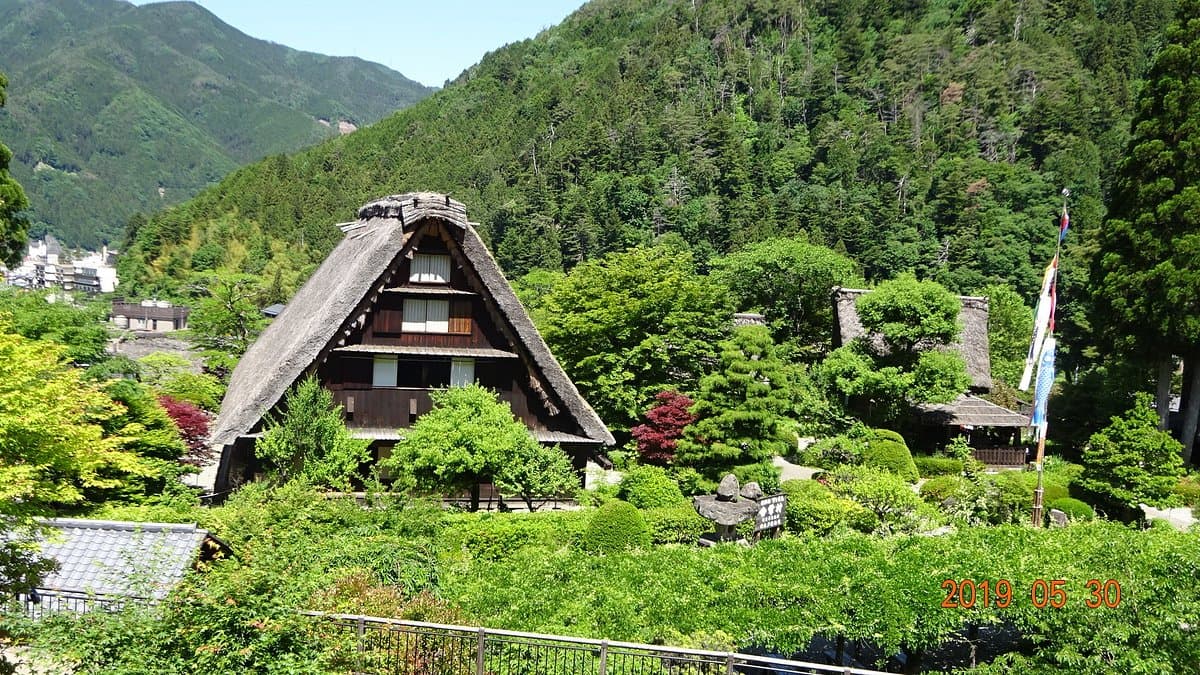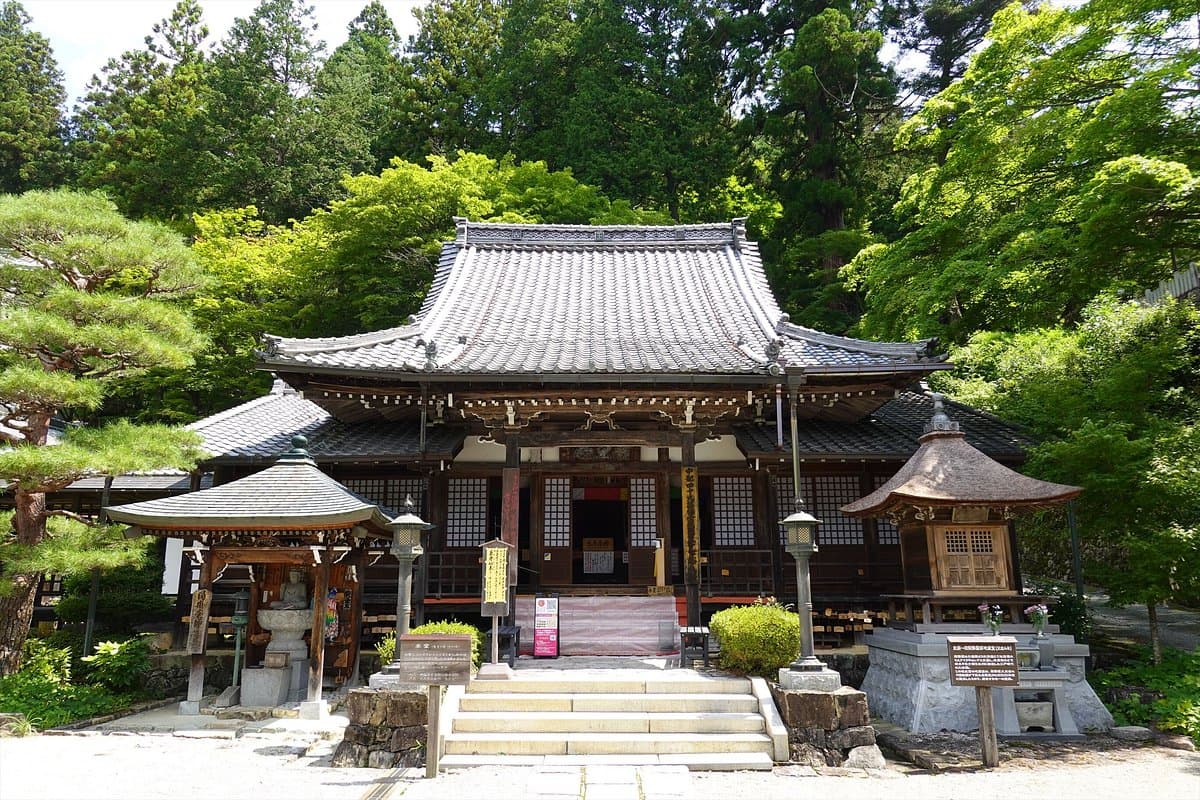
Onsenji Temple is a Buddhist temple in Gero Onsen, known for its connection to the town's hot spring history. It is dedicated to the deities of the hot springs and houses a statue of Yakushi Nyorai, from which hot spring water is said to flow. The temple plays a significant role in the local folklore, particularly the legend of a white stork leading people to a new hot spring source after an earthquake, thus reviving Gero's famous onsens.
Visitors consistently praise the temple for its serene atmosphere and the stunning panoramic views it offers of Gero Onsen town and the Hida River. Many reviewers highlight the sense of peace and reflection found at the top, especially after the climb. The presence of cherry blossom trees (Sakura) is noted by some, suggesting a particularly beautiful visit during spring. While the temple's architecture itself is often described as modest compared to larger, more famous temples in Japan, its unique connection to the hot springs and the legend surrounding them adds to its charm and local significance.
Be prepared for a significant climb; visitors frequently mention ascending 100 to 200 steep steps to reach the temple. While challenging, many agree the effort is "worth it" for the views. It's advisable to wear comfortable shoes. The temple is particularly pleasant for a morning walk, offering fresh air and a quiet environment. Some visitors suggest it's a good activity to fill time before hotel check-in or before catching a train. Allow approximately 1 to 2 hours for the visit, including the ascent and time for enjoying the views.
Onsenji Temple is located at 680 Yunoshima, Gero. It is about a 10-15 minute walk from Gero Station, leading through the town and then up a side street. Many hotels, such as Suimeikan and Yunoshimakan, are within a 10-minute walking distance. The path involves climbing numerous steps, which can be steep. There is also an incline option for those who prefer to avoid some of the stairs, though details on its exact location are less frequently mentioned in reviews. Public transportation within Gero Onsen is limited, so walking is the primary mode of access for most visitors.
The main complaint revolves around the strenuous climb, particularly the steepness and number of steps. To mitigate this, visitors should wear appropriate footwear and consider the visit during cooler parts of the day, especially in summer. Those with mobility issues might find the ascent challenging, though the option of an incline path is mentioned by some. Despite the physical exertion, the general consensus is that the rewarding views and peaceful ambiance make the climb worthwhile.