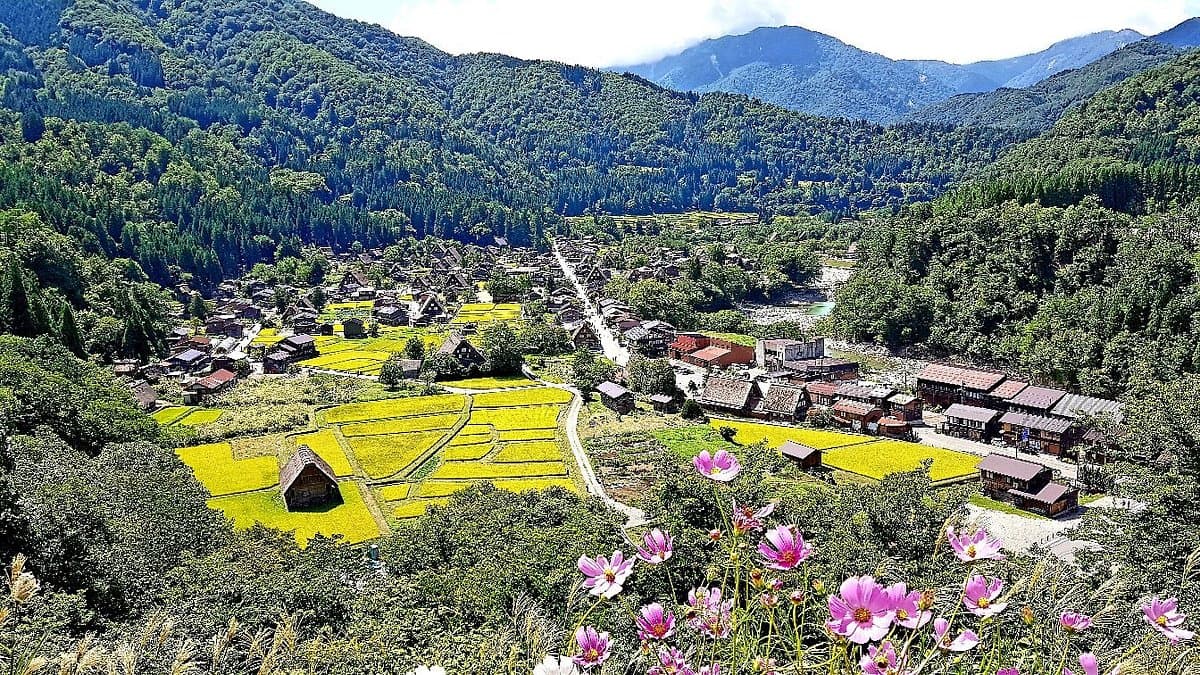
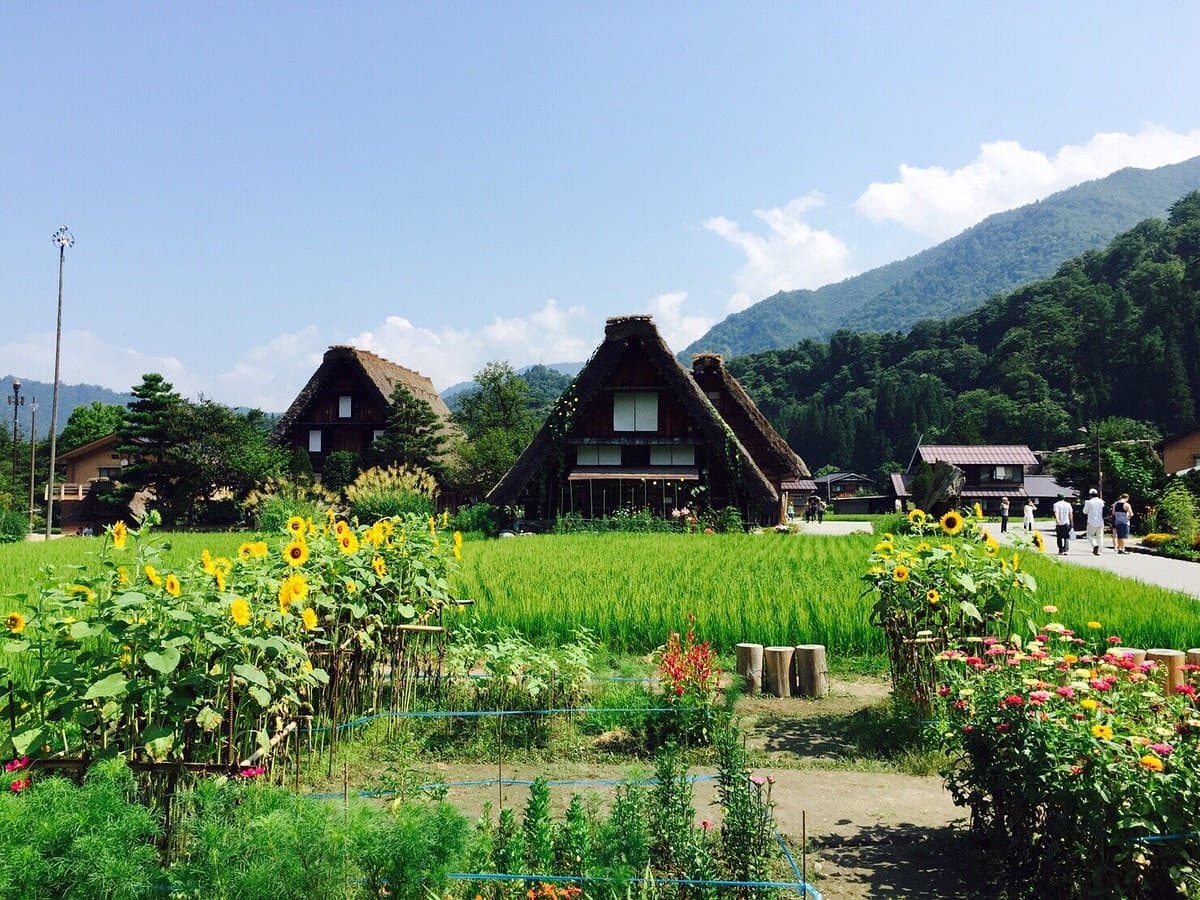
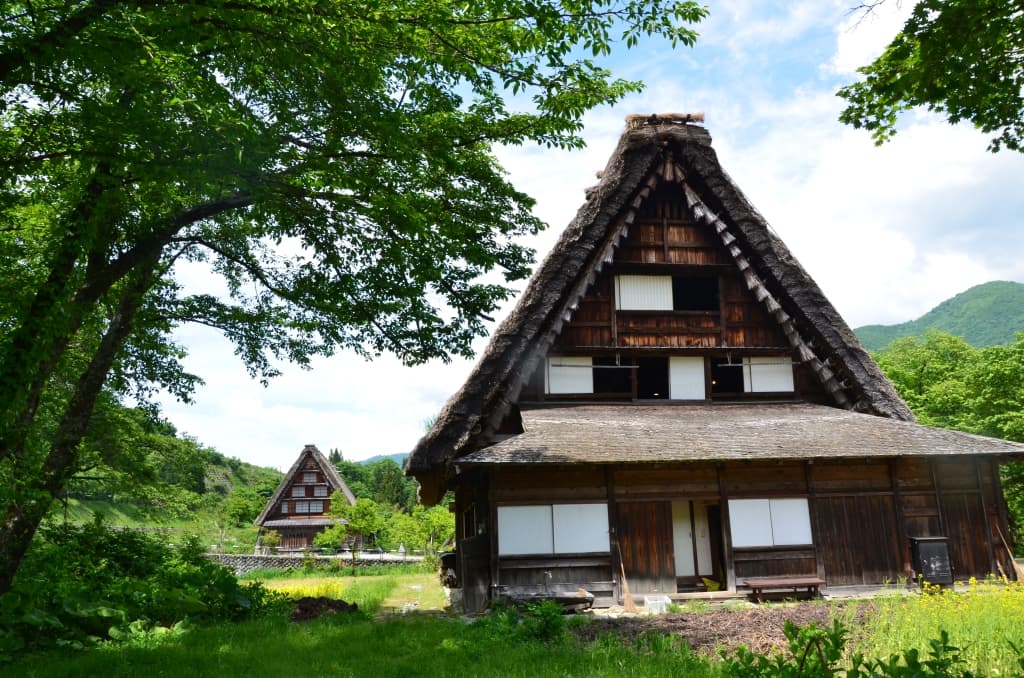
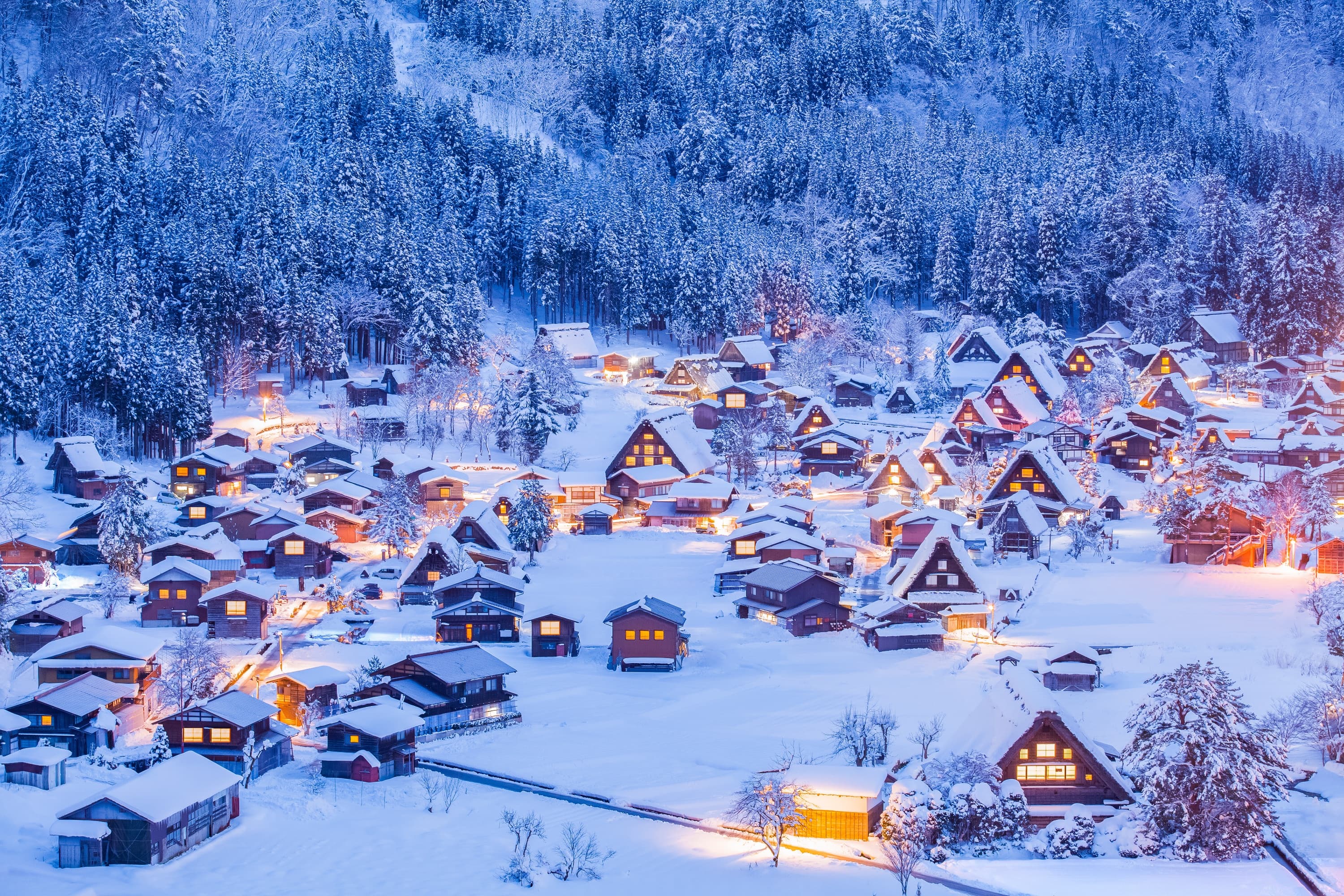
The Historic Villages of Shirakawa-go, particularly the Ogimachi village, are a UNESCO World Heritage site celebrated for their unique gassho-zukuri farmhouses. These traditional homes, with their steeply pitched thatched roofs resembling hands clasped in prayer, were ingeniously designed to withstand heavy snowfall and provide large attic spaces for silkworm cultivation. The village offers a rare and authentic glimpse into a centuries-old way of life, preserved amidst a stunning natural landscape.
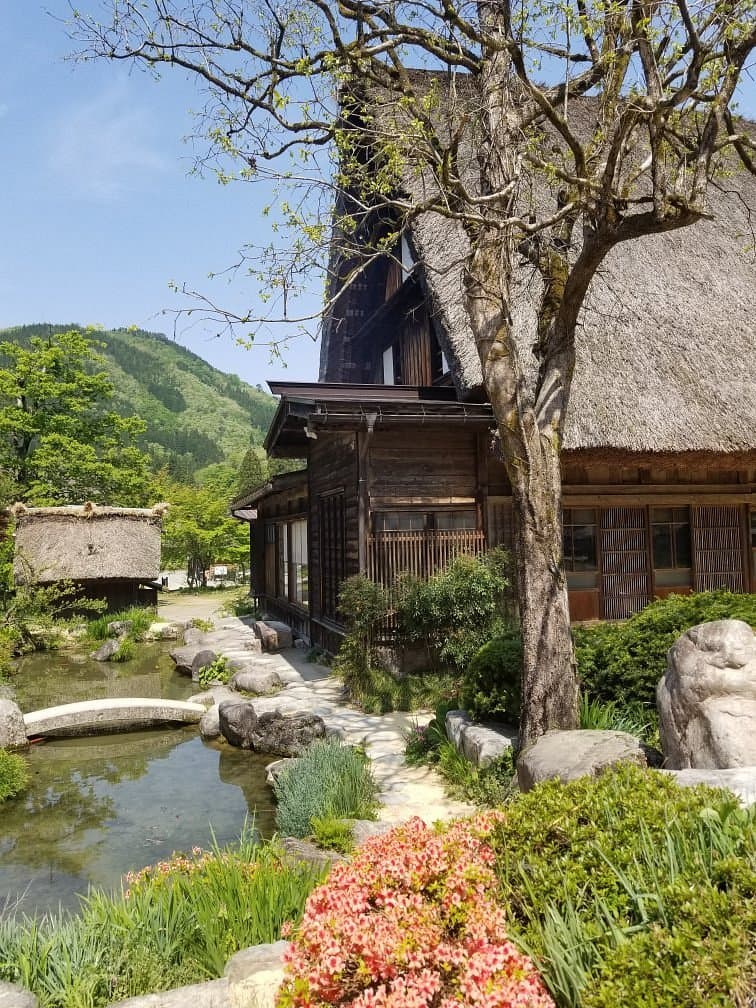
Visitors consistently praise the village's picturesque beauty, especially in winter when snow transforms it into a "fairy tale" landscape. Many highlight the opportunity to explore the interiors of some houses, like the Wada or Nagase residences, which offer insights into historical living and tools. The panoramic views from the observation deck are frequently mentioned as a must-do for iconic photos. Reviewers also appreciate the availability of local food, souvenir shops, and clean facilities. However, a recurring theme is the significant crowds, particularly later in the morning and during peak seasons, which some feel detracts from the village's authenticity and peaceful atmosphere.
To make the most of your visit, aim to arrive early in the morning, ideally before 9:00 AM, to experience the village in a more tranquil state before tour groups arrive. Many visitors recommend spending 2-3 hours to comfortably explore, including a walk to the observation deck. Bring comfortable walking shoes, as you'll be strolling through the village and potentially hiking to viewpoints. In summer, an umbrella for sun protection or rain is advisable, as temperatures can be high. Consider visiting in autumn for vibrant foliage or in winter for the iconic snow scenery, though be prepared for colder temperatures and potentially reduced bus services.
Shirakawa-go is accessible by bus from major cities like Takayama, Kanazawa, Nagoya, and Toyama. It is crucial to book bus tickets well in advance, especially for popular routes and seasons, as they can sell out. The main bus terminal is located near the village. From there, you cross the Deai Bridge to enter the main village area. For those driving, parking is available at the Seseragi Park parking lot, often with a shuttle bus service to the village. Be aware that roads can be congested, particularly during peak times, and parking may be limited. Some visitors mention that the bus ride itself offers scenic views.
The primary complaint revolves around the overwhelming number of tourists, which can lead to crowded paths, long lines for attractions, and a diminished sense of authenticity. To mitigate this, consider visiting during off-peak hours or seasons. Some reviewers suggest exploring alternative, less crowded gassho-zukuri villages like Ainokura or Suganuma for a more serene experience. While some houses charge a small entry fee (around 300-600 JPY), many visitors find it worthwhile for the historical insight. Be mindful that while the village is a tourist attraction, people still live and work there, so respect their privacy and property.