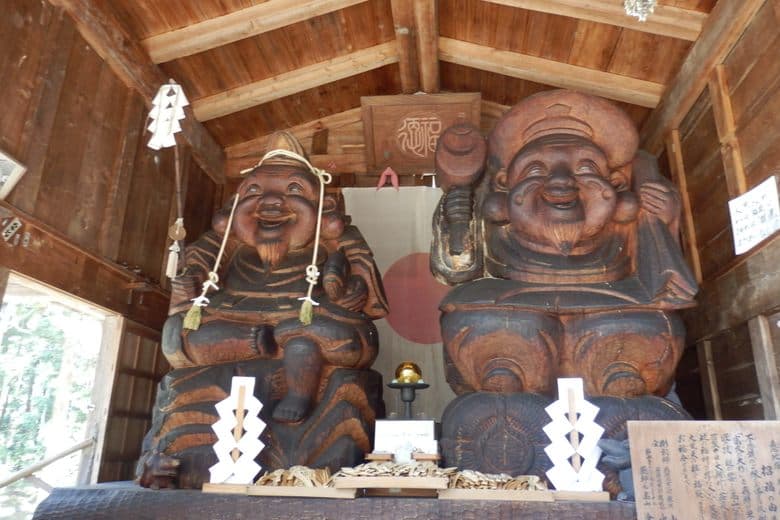
The Forest of Seven Lucky Gods (Hida Kaiun-no-Mori Shichi-fuku-jin) is a unique cultural site featuring seven large Shinto gods carved from ancient Japanese trees, some over 1,000 years old. These impressive wooden statues are housed in historic rice storehouses and represent important figures in Japanese legend, each with distinct attributes such as abundance, protection, long life, happiness, art, commerce, and trade. The site offers a tranquil environment for visitors to connect with these deities and appreciate traditional Japanese craftsmanship.
Visitors often praise the serene atmosphere and the intricate detail of the carvings. The peaceful surroundings provide a meditative experience, allowing for quiet contemplation. Reviewers appreciate the opportunity to learn about Japanese mythology and the specific roles of each lucky god. The site is particularly appealing to those interested in unique cultural experiences and traditional art forms.
To make the most of your visit, plan to spend about 1-2 hours exploring the statues and enjoying the tranquility. It is advisable to combine this visit with the nearby Hida Folk Village, as the two sites are conveniently located next to each other. Bringing a camera is recommended to capture the detailed carvings and the scenic environment. The best time to visit is during daylight hours to fully appreciate the outdoor setting and the intricate details of the statues.
The Forest of Seven Lucky Gods is situated next to the Hida-no-sato Folk Village, at the other end of its car park. It can be reached by a 20-minute bus journey from Takayama train station. While not always prominently advertised, its proximity to a major attraction makes it accessible. Public transport is the most convenient option for tourists without a car.
One common complaint is that the site is not always clearly advertised, making it easy to miss if one is not specifically looking for it. To mitigate this, ensure you have clear directions or ask for the "Hida Kaiun-no-Mori Shichi-fuku-jin" or its location relative to the Hida Folk Village. Some visitors also note that it is a relatively small site, so managing expectations regarding its scale can enhance the experience.