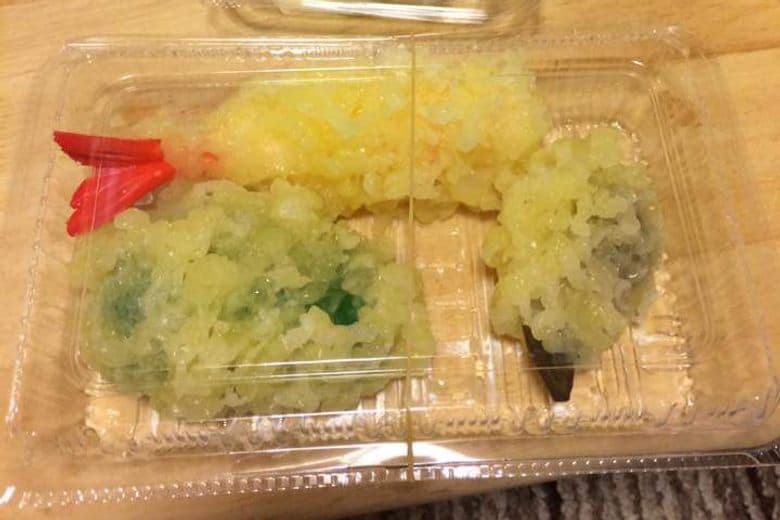
Sample Kobo is a unique facility dedicated to the art of 'sampuru' – the incredibly realistic food replicas used by Japanese restaurants to display their menu items. Located in Gujō-Hachiman, the birthplace of this craft, it offers visitors an immersive experience into a distinctive aspect of Japanese culture that is both practical and artistic. It highlights the meticulous craftsmanship involved in creating these lifelike models, which are still often handmade by local artists.
Visitors consistently praise the hands-on workshops, where they can create their own wax tempura or plastic sweets. This interactive element is frequently highlighted as the most enjoyable part of the visit, providing a memorable souvenir and a fun activity for all ages. Many reviewers appreciate the opportunity to observe artisans at work and explore the extensive exhibition of food replicas, which showcases the incredible detail and variety of this art form. The realistic appearance of the samples often surprises and delights visitors, making it a highly engaging experience.
To make the most of your visit, consider booking a workshop in advance, especially during peak seasons, as spaces can be limited. The workshops typically last around an hour, and visitors suggest allocating an additional hour to browse the shop and exhibition. It's a family-friendly destination, and bringing a camera is recommended to capture the intricate displays and your own creations. While the workshops are the main draw, even just browsing the shop and exhibition offers a fascinating insight into this craft.
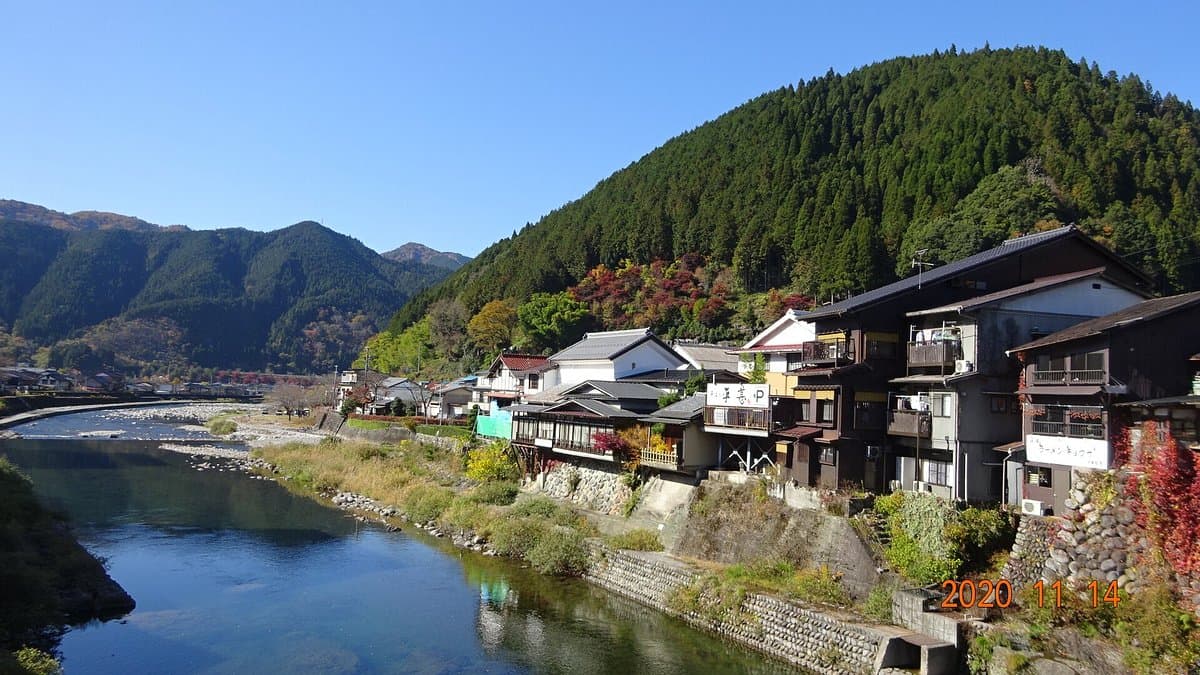
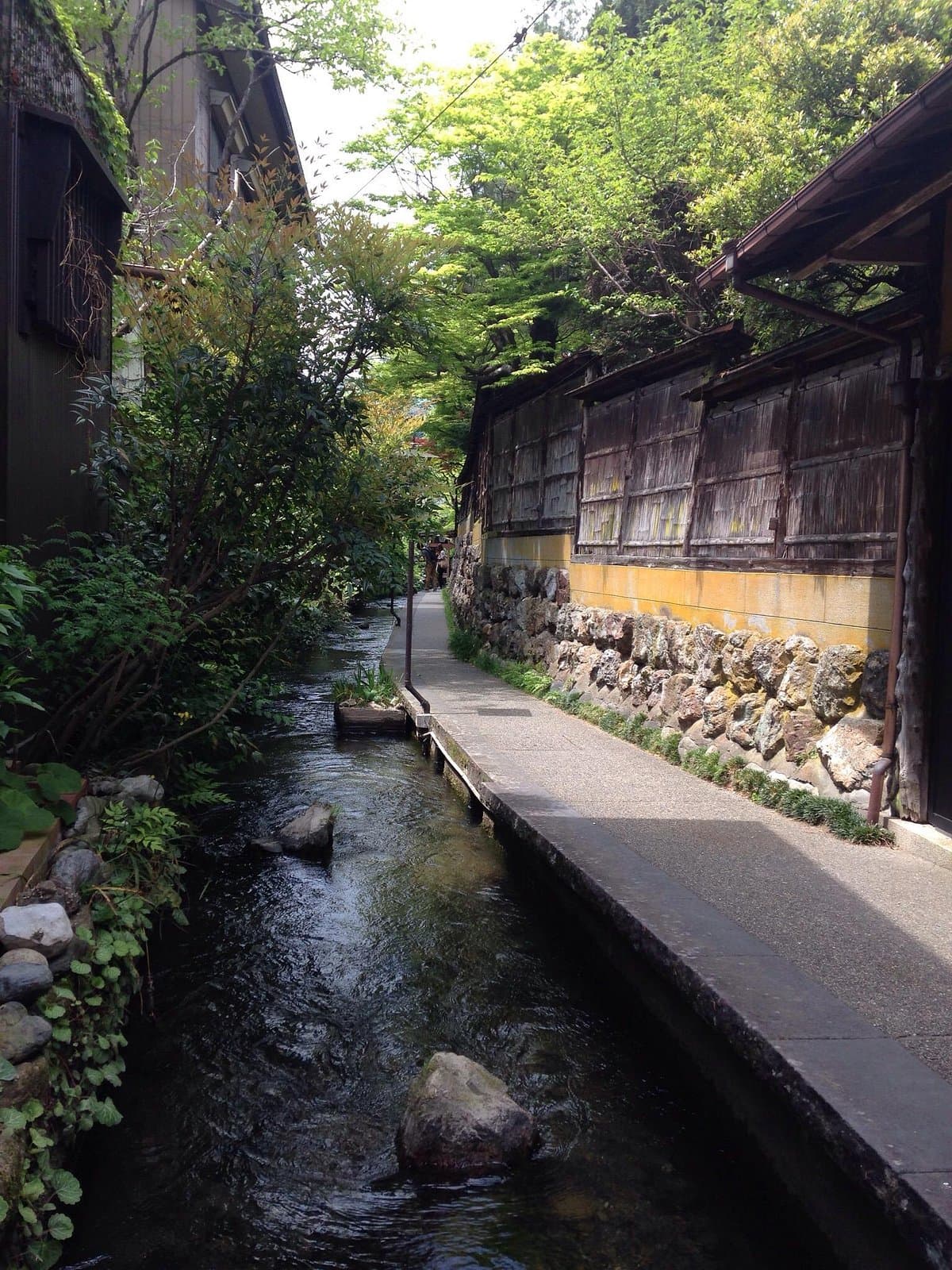
Sample Kobo is located in Gujō-Hachiman, Gifu Prefecture. While specific public transport details are not consistently mentioned in reviews, Gujō-Hachiman is accessible by train via the Nagaragawa Railway. From Gujō-Hachiman Station, Sample Kobo is typically a short taxi ride or a pleasant walk through the town, which is known for its canals and traditional atmosphere. Driving is also an option, and parking facilities are usually available in the town.
A common point to be aware of is that the workshops can be popular, leading to potential wait times or fully booked sessions if not reserved ahead. To mitigate this, check their official website for reservation options and try to visit during off-peak hours if you haven't booked. Some visitors mention that the explanations during the workshop might be primarily in Japanese, so having a translation app or a basic understanding of Japanese phrases could enhance the experience, though instructors often demonstrate clearly.