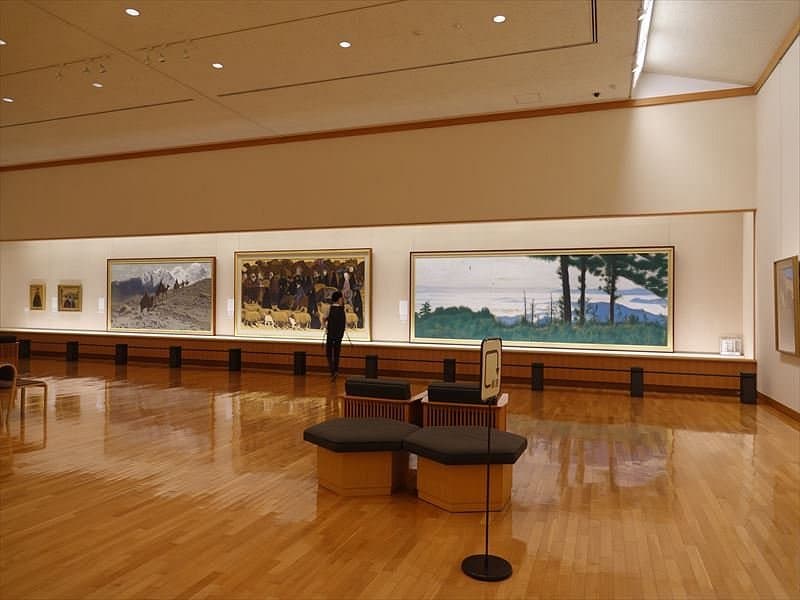
The Hirayama Ikuo Museum of Art is a significant cultural institution dedicated to the life and works of Hirayama Ikuo, a celebrated Japanese painter known for his distinctive Nihonga style. Born on Ikuchijima Island, Hirayama's art often reflects themes of peace, inspired by his personal experience as a survivor of the Hiroshima atomic bombing, and his extensive travels along the Silk Road. The museum serves as a tribute to his legacy, offering insight into his artistic journey and his profound connection to both his homeland and broader global narratives.
Visitors consistently praise the museum for its well-presented collection and the serene ambiance it offers. Many reviewers, even those not typically art enthusiasts, express surprise at how much they enjoyed the experience, highlighting the captivating nature of Hirayama's paintings, particularly his depictions of the Silk Road and the local Shimanami Kaido. The museum is noted for having a good amount of English signage, which greatly enhances the experience for international visitors, allowing for a deeper understanding of the artist's themes and techniques. The skillful portrayal of sunsets in his works is frequently mentioned as a highlight.
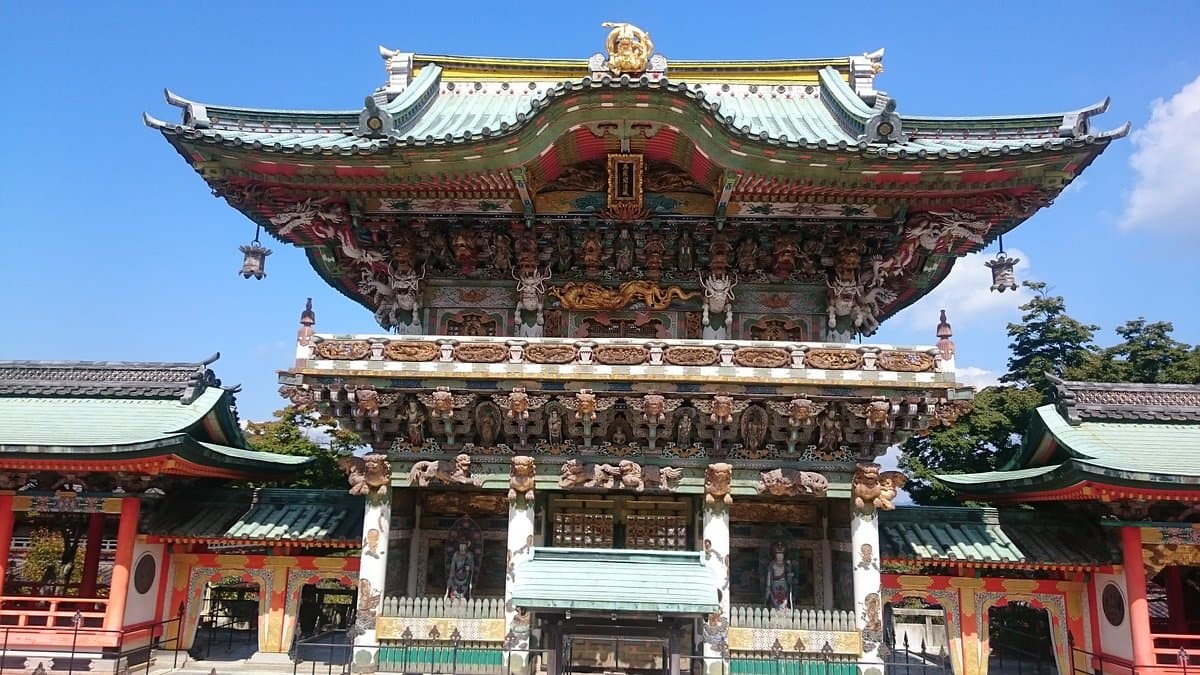
To make the most of your visit, allocate approximately 1.5 to 2 hours. Reviewers suggest combining a visit here with the nearby Kosanji Temple, as they are virtually next door to each other, creating an interesting cultural pairing. Consider visiting in the late morning or early afternoon to allow ample time for both. Photography is generally permitted, which is a plus for those wishing to capture memories. Don't overlook the attached cafe; several visitors recommend trying the local lemon-flavored cake, which is a regional specialty.
The museum is conveniently located on Ikuchijima Island, making it an ideal stop for those cycling the Shimanami Kaido. Many visitors arrive by bicycle, as it's directly along the route. For those not cycling, the museum is accessible from the ferry terminal in Setoda. Public transport options to Ikuchijima Island typically involve a ferry from Onomichi or other points along the Shimanami Kaido. Once on the island, the museum is easily reachable by local bus or a short taxi ride from the main ferry ports, or a pleasant walk if you're staying nearby.
While most visitors have a positive experience, some find the museum to be small and dedicated to a single artist, which might not appeal to everyone. To mitigate this, approach the visit with an open mind, focusing on the unique artistic perspective and the historical context of Hirayama's work. If you are not familiar with the artist, a quick online search beforehand can enhance your appreciation of his significance.