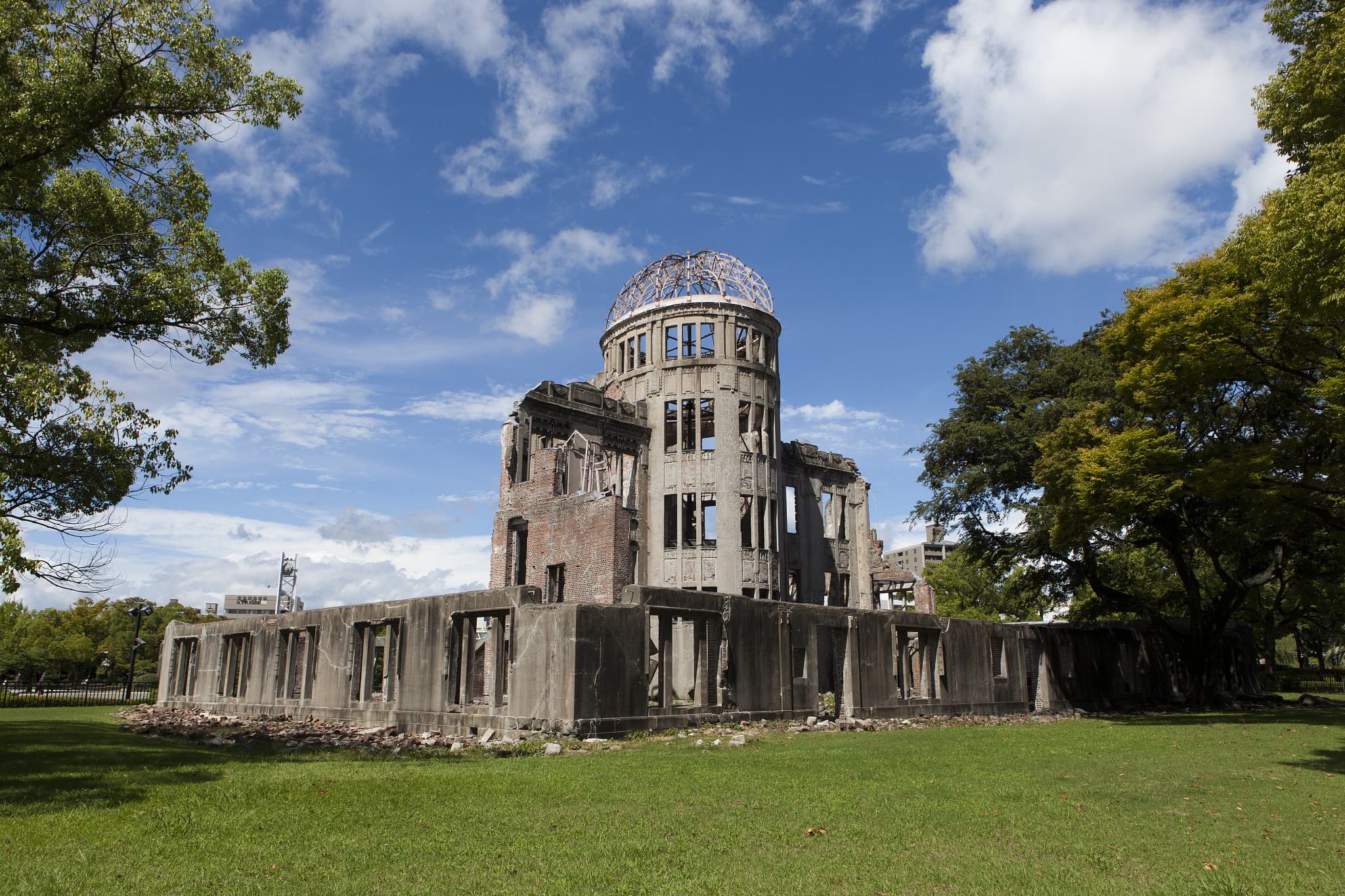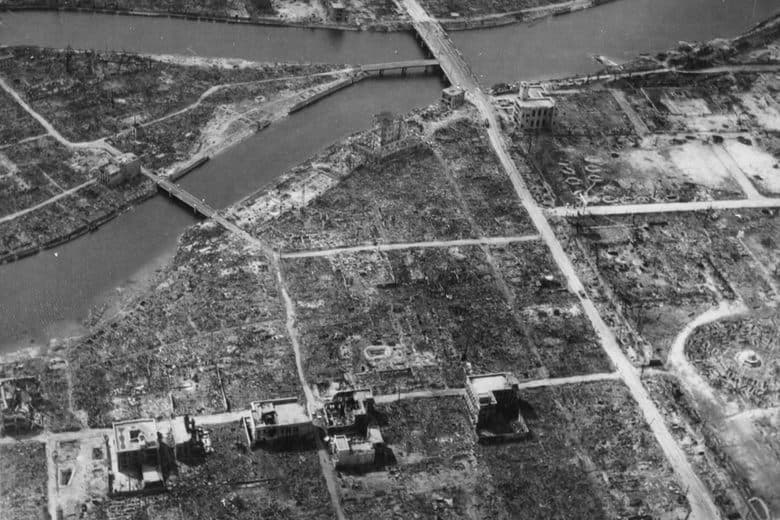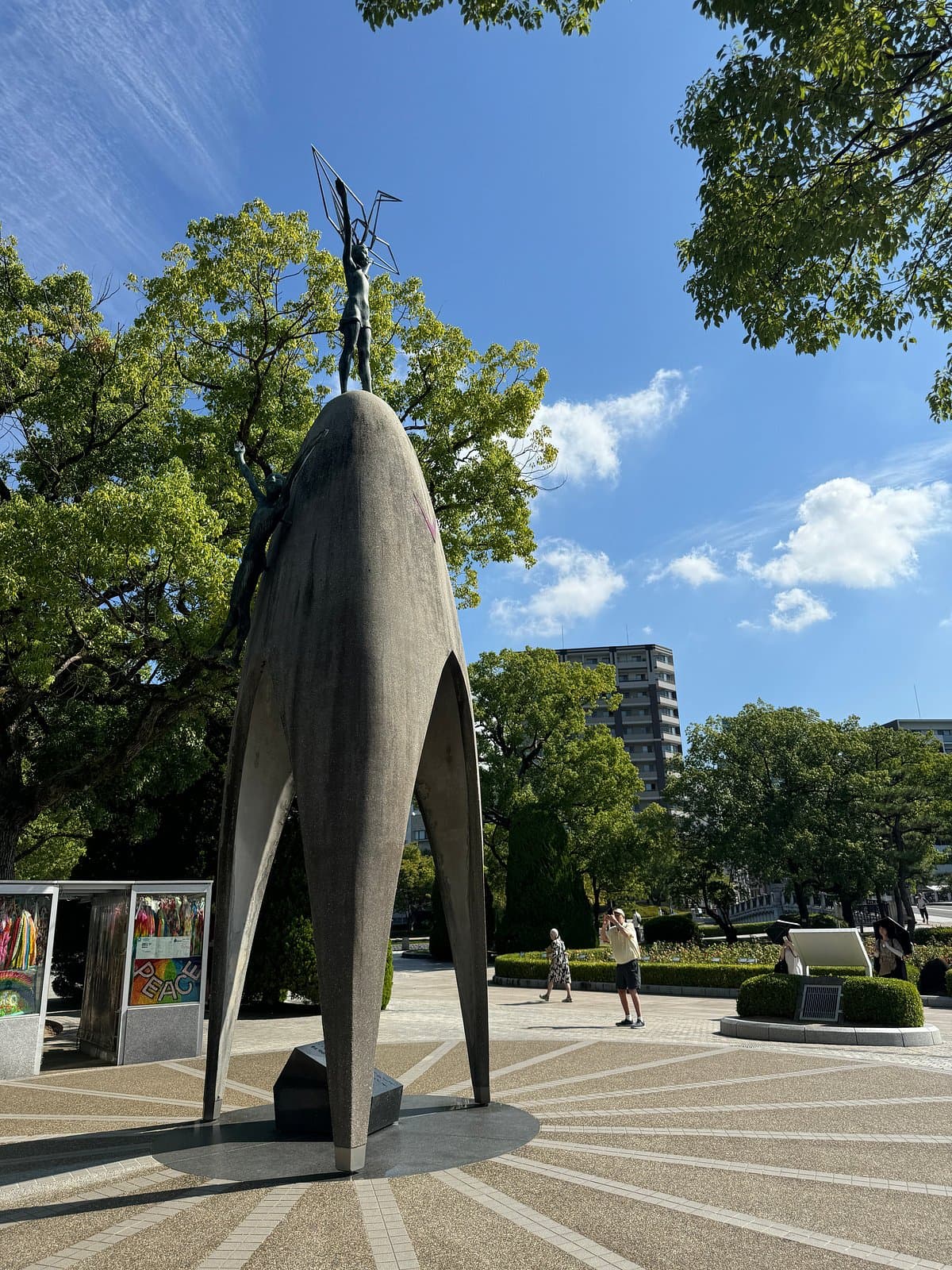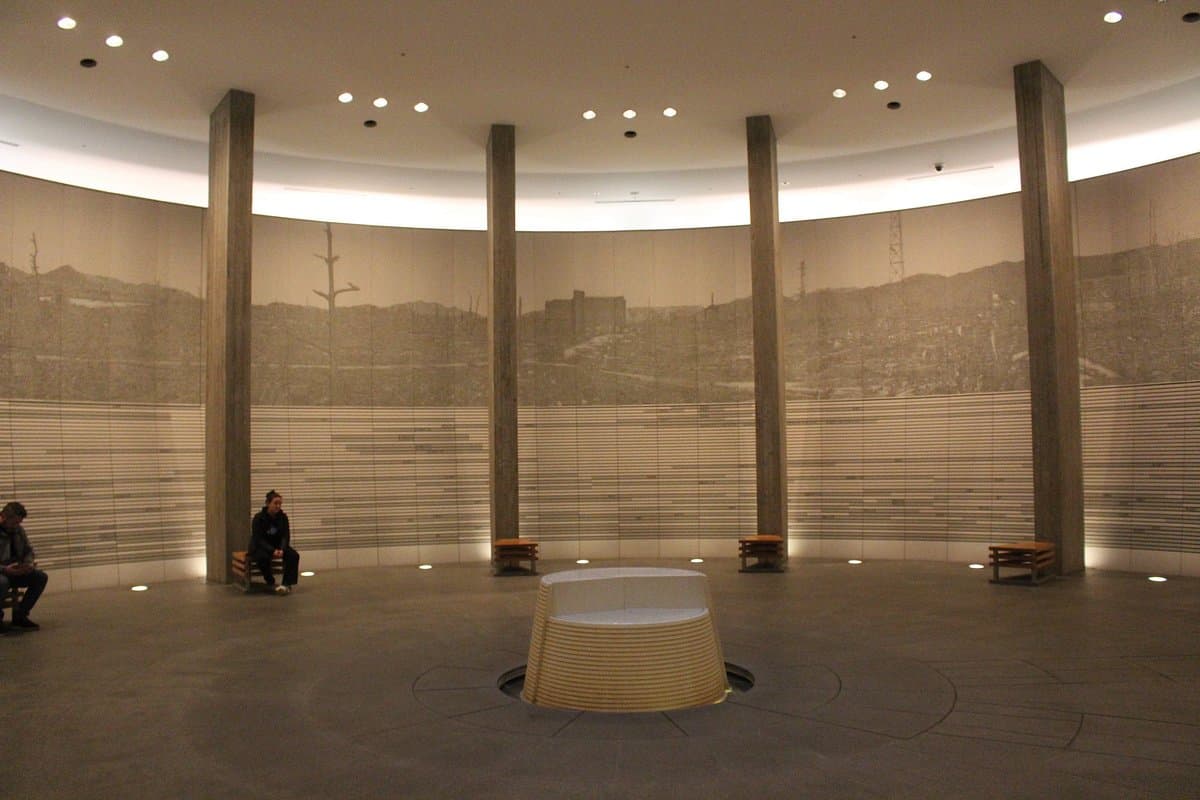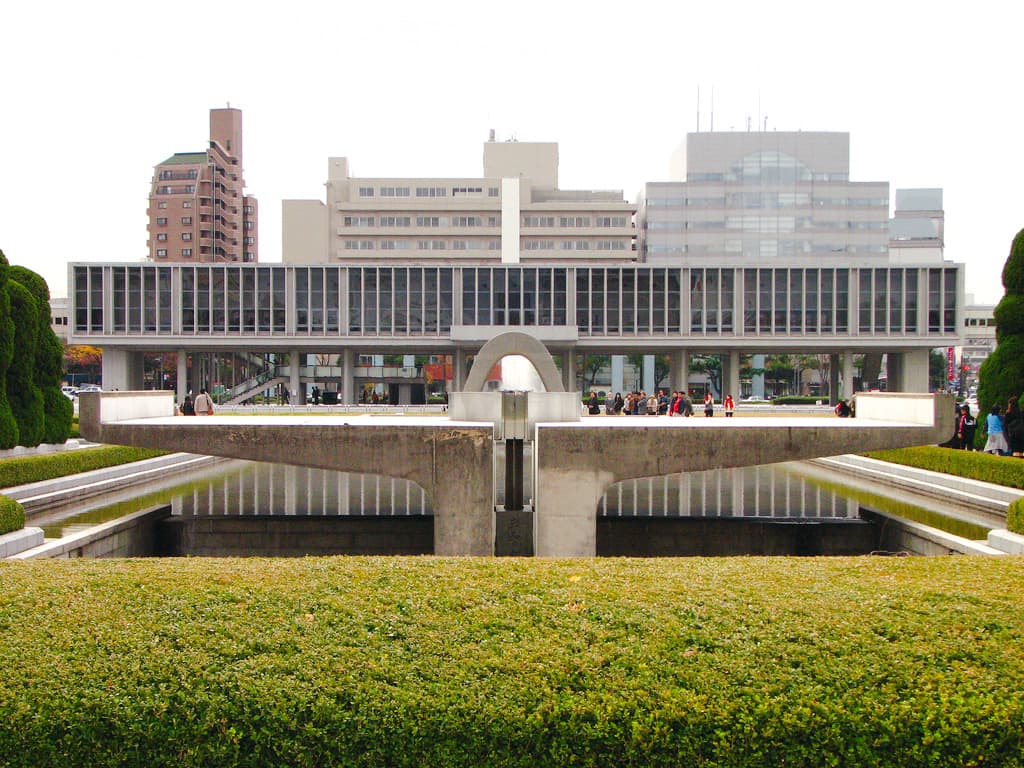
The Hiroshima Peace Memorial Museum, located within the Hiroshima Peace Memorial Park, serves as a poignant testament to the atomic bombing of Hiroshima on August 6, 1945. It meticulously documents the events leading up to, during, and after the bombing, aiming to convey the horrors of nuclear warfare and promote lasting world peace. The museum, alongside the iconic A-Bomb Dome, is central to understanding the city's tragic past and its remarkable journey of resilience and reconstruction.
Visitors consistently praise the museum for its powerful and emotional presentation. Many describe the experience as "heart-wrenching," "sobering," and "deeply moving," with personal accounts, scorched artifacts, and graphic imagery leaving a lasting impression. Reviewers frequently highlight the museum's ability to foster reflection on the futility of war and the preciousness of peace. The exhibits, including melted glass, scorched lunchboxes, and personal effects of victims, are noted for their raw impact. While some find the content difficult to confront, most agree it is a necessary and invaluable educational experience, particularly for younger generations.
To make the most of your visit, allocate at least 2-3 hours, though many reviewers suggest 3-4 hours or even longer to fully absorb the extensive exhibits. An audio guide, available for a small fee, is highly recommended by visitors for providing deeper context and personal stories. It's advisable to visit the museum before exploring the Peace Memorial Park, as the museum's detailed historical context enhances the understanding and appreciation of the monuments and memorials within the park. Consider visiting early in the morning to avoid the largest crowds, especially school groups, which can make it difficult to move through the exhibits slowly. Bringing tissues is also a common recommendation due to the emotional nature of the displays.
The Hiroshima Peace Memorial Museum is easily accessible via public transport. From Hiroshima Station, take tram lines 2 or 6 and disembark at the "Genbaku Dome-mae" stop, which is directly adjacent to the Peace Memorial Park and a short walk to the museum. Many visitors also mention the convenience of the "Red Bus" (Hiroshima Sightseeing Loop Bus), which stops at the park. For those arriving from Miyajima, a ferry service directly to the park area is also available. The park itself is large and walkable, with all major memorials and the museum within easy reach of each other.
A common complaint among some visitors, particularly those with differing historical perspectives, is the museum's perceived lack of self-reflection regarding Japan's role in WWII. While the museum's primary focus is on the human cost of the atomic bombing and the pursuit of peace, visitors should be aware that the narrative is presented from a Japanese perspective. To mitigate this, some suggest researching broader historical contexts before or after the visit. Additionally, the museum can become very crowded, especially during peak tourist seasons and with school groups, which can detract from the contemplative atmosphere. Visiting during off-peak hours or allowing ample time can help manage this.