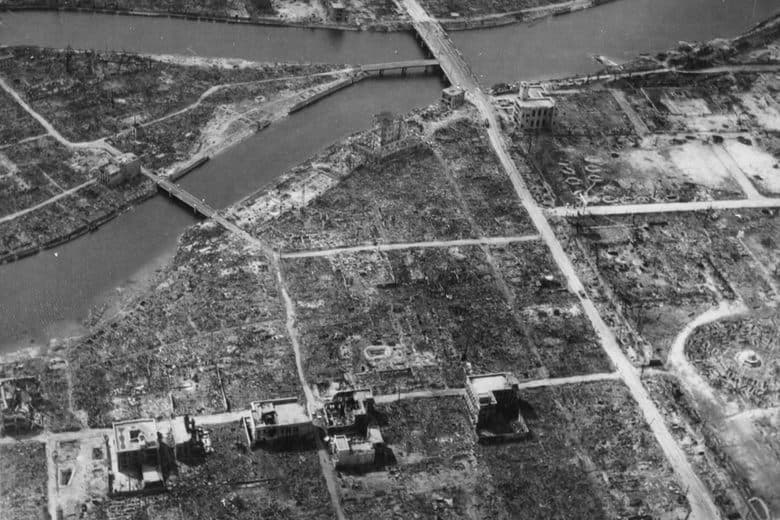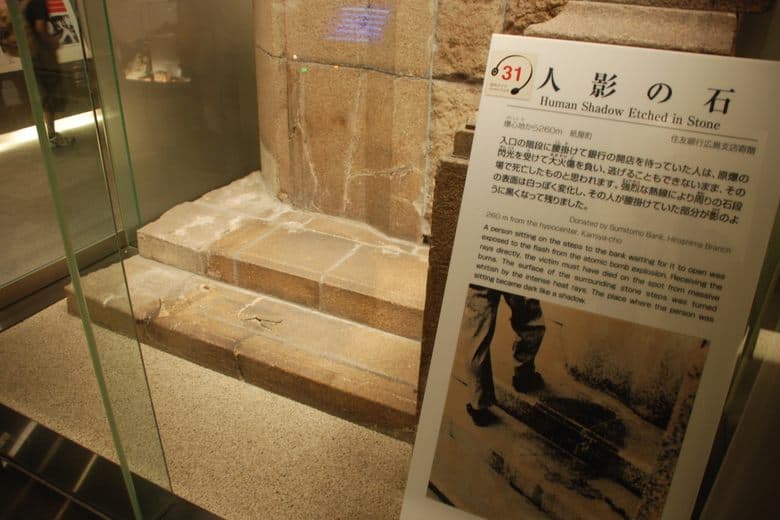
The Human Shadow Etched in Stone is not merely an exhibit; it is a profound and somber relic from August 6, 1945, when the atomic bomb detonated over Hiroshima. This dark stain on stone steps, believed to be the shadow of a person who was sitting there at the moment of the blast, serves as an incredibly powerful and immediate testament to the bomb's destructive force and the instantaneous loss of life. It is a central, albeit harrowing, piece of the narrative presented at the Hiroshima Peace Memorial Museum, compelling visitors to confront the human cost of nuclear warfare.
Visitors consistently describe the shadow as one of the most impactful and unforgettable exhibits within the museum. Many find it deeply disturbing yet essential, highlighting its ability to convey the immense tragedy in a way that statistics or photographs alone cannot. The sheer immediacy of the shadow, representing a life extinguished in an instant, often leaves a lasting impression, prompting reflection on peace and the consequences of war. Reviewers frequently note the solemn atmosphere surrounding the exhibit, emphasizing the respect and quiet contemplation it inspires.
To fully appreciate the significance of this artifact, visitors should allocate sufficient time within the Hiroshima Peace Memorial Museum. It is recommended to approach this exhibit with a reflective mindset, as its emotional weight is considerable. There is no specific 'best time' of day to view it, as it is indoors within the museum, but visiting during less crowded hours might allow for a more personal and contemplative experience. The museum itself can take 2-3 hours to explore thoroughly, and the shadow is one of its key focal points. No special items need to be brought, but a willingness to engage with difficult history is essential.
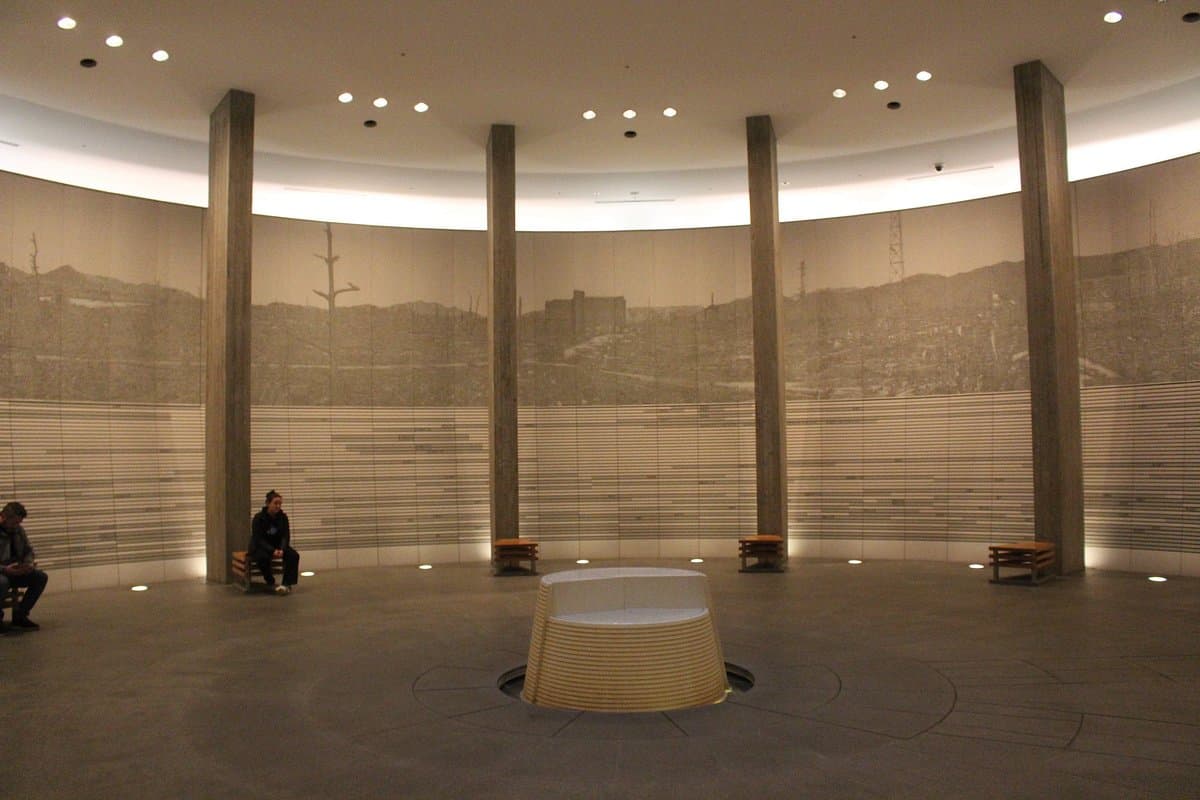
The Human Shadow Etched in Stone is located within the Hiroshima Peace Memorial Museum. The museum is easily accessible via public transportation. From Hiroshima Station, visitors can take a tram (streetcar) on lines 2 or 6 to the Genbaku Dome-mae (Atomic Bomb Dome) stop, which is a short walk from the museum. Alternatively, numerous bus routes also serve the Peace Memorial Park area. The museum is centrally located within the Peace Memorial Park, making it a straightforward destination to reach on foot once in the vicinity. Driving is generally not recommended due to limited parking and the excellent public transport network.
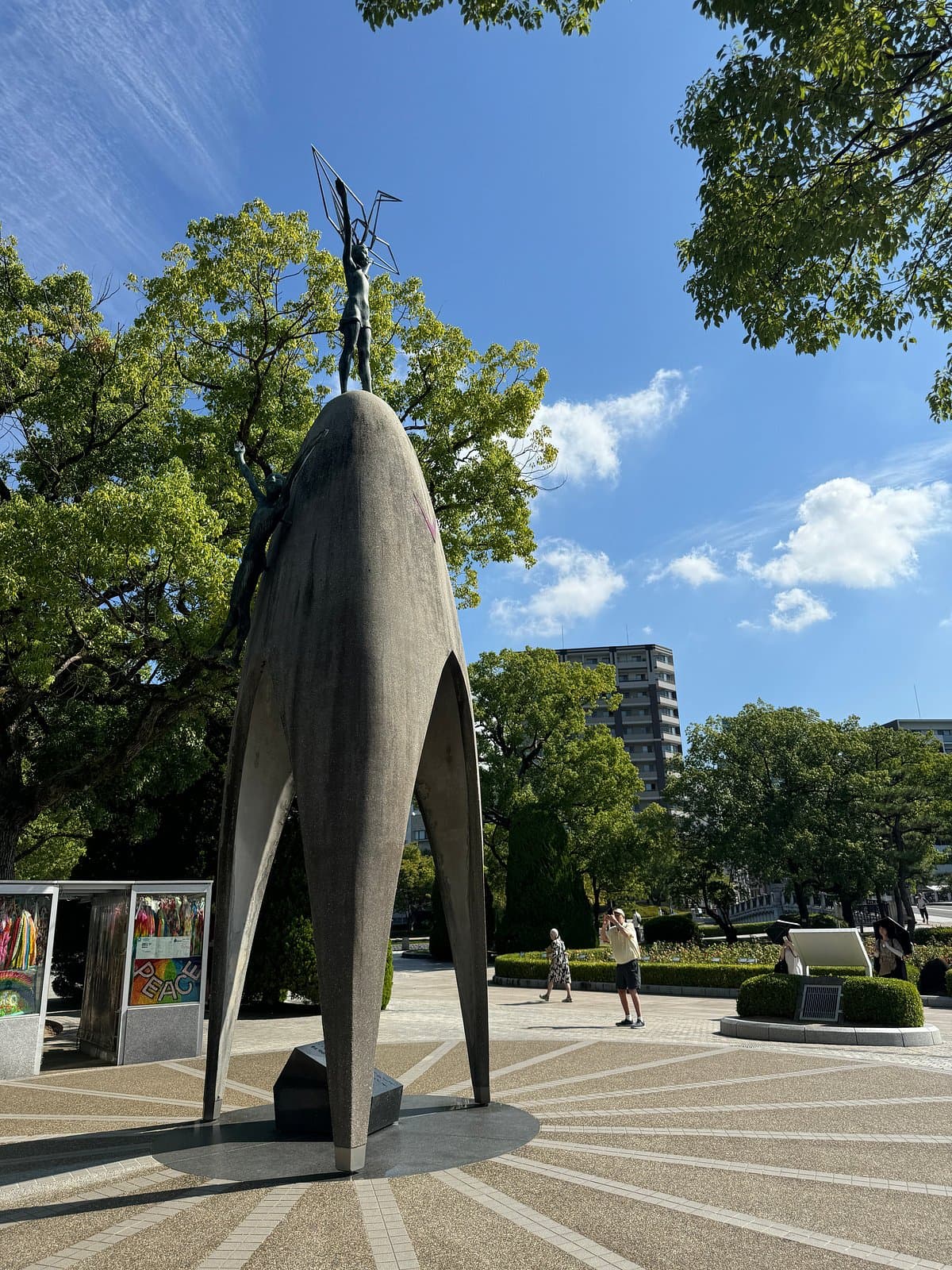
While there are no direct complaints about the shadow itself, some visitors find the overall experience of the museum, including this exhibit, to be emotionally overwhelming. To mitigate this, it is advisable to take breaks if needed and to prepare oneself mentally for the gravity of the exhibits. Some also suggest visiting other parts of the Peace Memorial Park, such as the Cenotaph or the Flame of Peace, before or after the museum to offer a broader perspective and moments of quiet reflection.