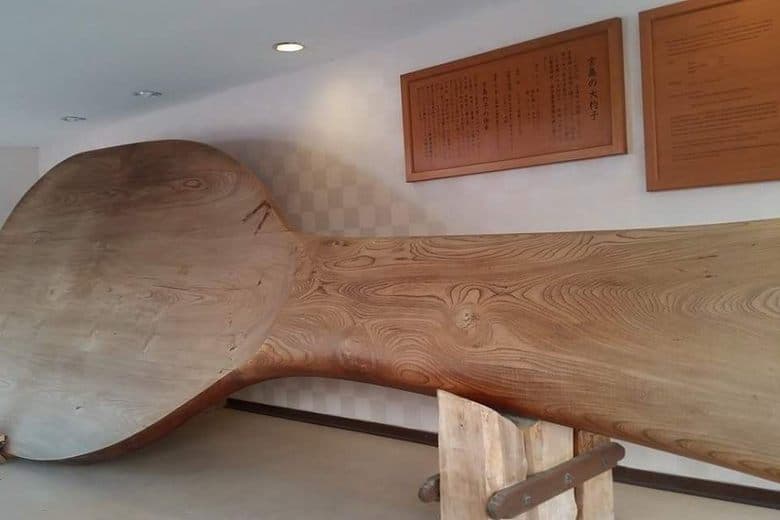
The World's Largest Rice Scoop, or "shamoji," is a colossal wooden utensil measuring 7.7 meters long and weighing 2.5 tonnes. Crafted from a 270-year-old Zelkova tree over nearly three years, it was unveiled in 1996 to commemorate Itsukushima Shrine's designation as a World Heritage Site. More than just a record-breaker, this shamoji represents the collective pride of Miyajima's people in a craft that has defined their island for centuries, stemming from a legend involving a Buddhist monk and the goddess Benzaiten.
Visitors consistently describe the scoop as an interesting and unique photo opportunity. Many appreciate its cultural significance, noting that it highlights Miyajima's historical connection to rice scoop production. Reviewers often mention its convenient location, making it an easy stop. However, some visitors find it to be just a large object without much interactive appeal, suggesting it's more of a quick glance than a destination in itself.
To make the most of your visit, allocate about 10-15 minutes for photos and a brief appreciation of its scale and story. It's best visited during daylight hours, ideally when you're already passing through the area. There's no entry fee, making it a free and accessible attraction. Consider combining your visit with a meal at one of the nearby restaurants or a quick souvenir hunt before or after your ferry trip.
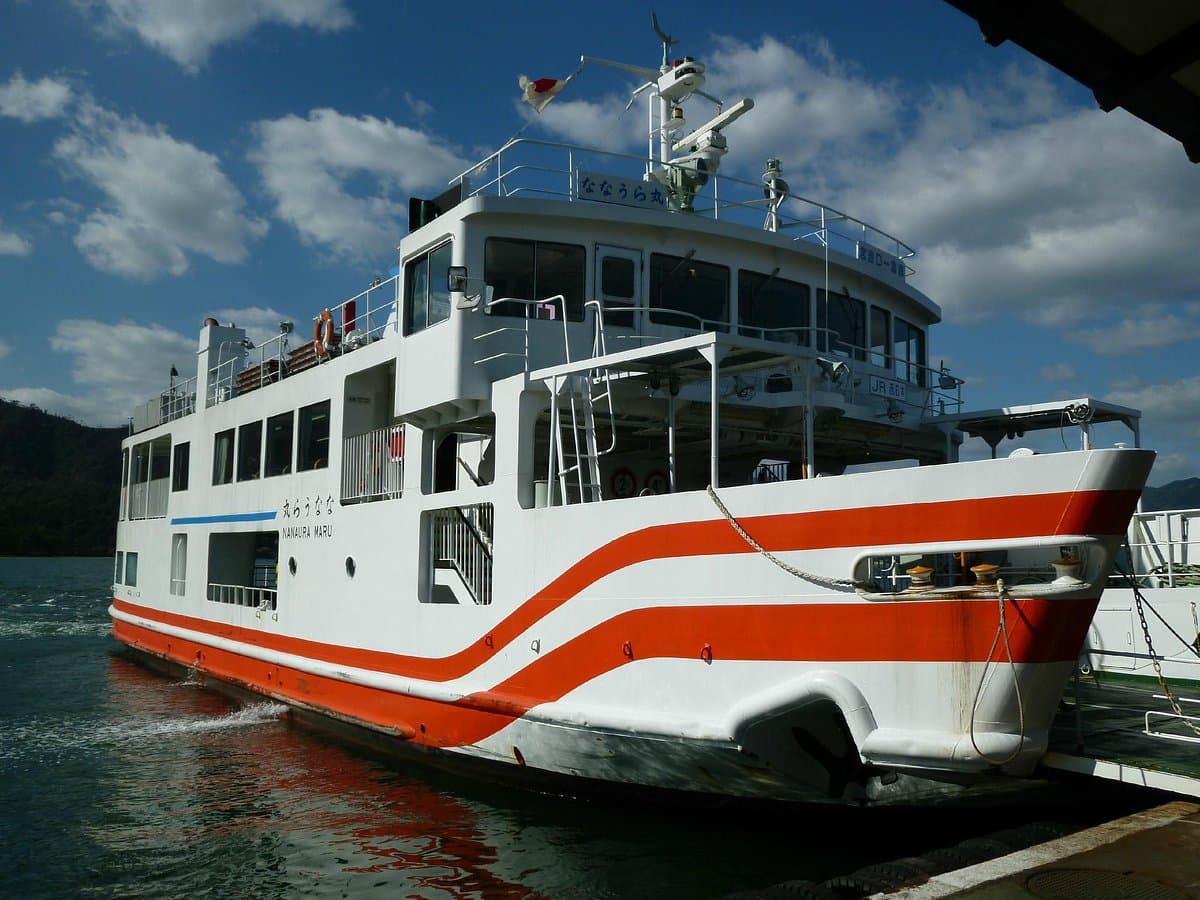
The World's Largest Rice Scoop is located at the Miyajimaguchi Passenger Terminal, which serves as the main gateway to Miyajima Island. It is easily accessible by public transport. From Hiroshima Station, take the JR Sanyo Line to Miyajimaguchi Station. The passenger terminal and the rice scoop are just a short walk (approximately 5 minutes) from the station. If driving, parking is available in paid lots near the terminal, but public transport is generally recommended due to potential traffic and parking costs.
A common complaint is that some visitors expect a more elaborate display or interactive experience. To mitigate this, approach it as a straightforward, large-scale monument rather than an immersive museum. Its primary purpose is symbolic and photographic, so managing expectations can enhance enjoyment.