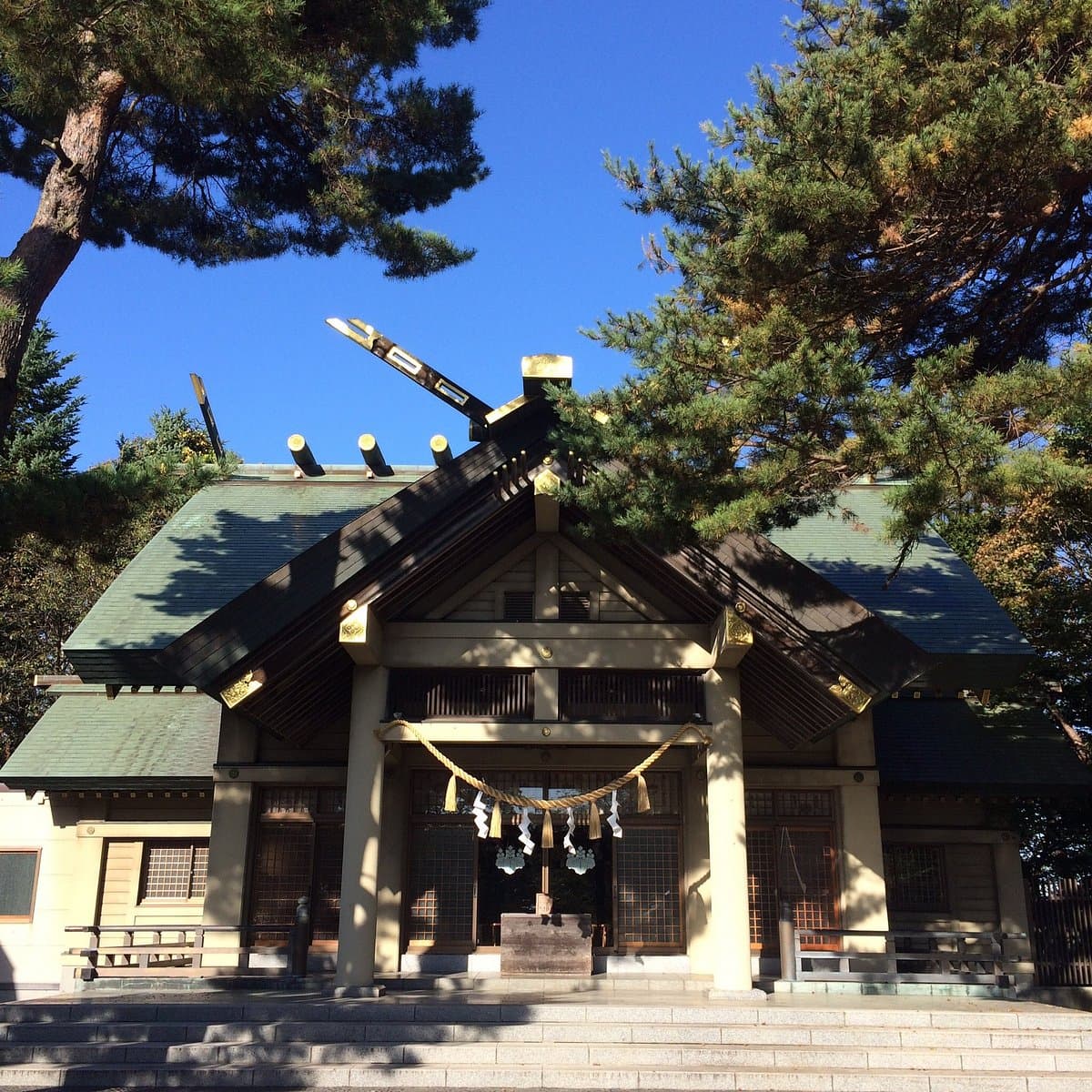
Ebetsu Shrine is a modest local Shinto shrine located in Ebetsu, Hokkaido. It serves as a spiritual center for the local community rather than a major tourist destination. Its significance lies in its role as a place of quiet contemplation and local worship, offering visitors an authentic, uncrowded experience of Japanese spiritual architecture and natural surroundings.
Visitors consistently praise the shrine for its tranquil and peaceful atmosphere. Reviewers note that it is particularly beautiful during dusk, when the light creates a serene ambiance, or in winter when deep snow transforms the landscape into a picturesque scene. The shrine's setting within an open parkland contributes to its calm environment, making it a pleasant spot for a short, reflective visit. Some visitors appreciate the opportunity to experience a local shrine without the throngs of tourists found at more famous sites.
For those interested in visiting, it is advisable to check the etiquette for praying at a Shinto shrine beforehand, as there are no English signs providing guidance. Google Translate can be a useful tool for understanding any Japanese text on site. The shrine is best experienced during quiet times, such as early morning or late afternoon, to fully appreciate its tranquility. Dress warmly if visiting in winter, as deep snow is common, and comfortable shoes are recommended for walking around the grounds.
Ebetsu Shrine is located at 1-1 Hagigaoka, Ebetsu, Hokkaido. While specific public transport details are not widely available in reviews, its location in Ebetsu suggests it would be accessible via local bus services from Ebetsu Station. Ebetsu Station is on the Hakodate Main Line, connecting it to Sapporo. Visitors driving to the shrine should look for local parking options, though its park-like setting might offer some informal parking. Given its local nature, walking from nearby areas is also a possibility.
A common observation from visitors is the lack of English signage, which can make understanding the shrine's specific history or rituals challenging for international tourists. This can be mitigated by using translation apps or by simply appreciating the aesthetic and peaceful atmosphere without needing detailed explanations.