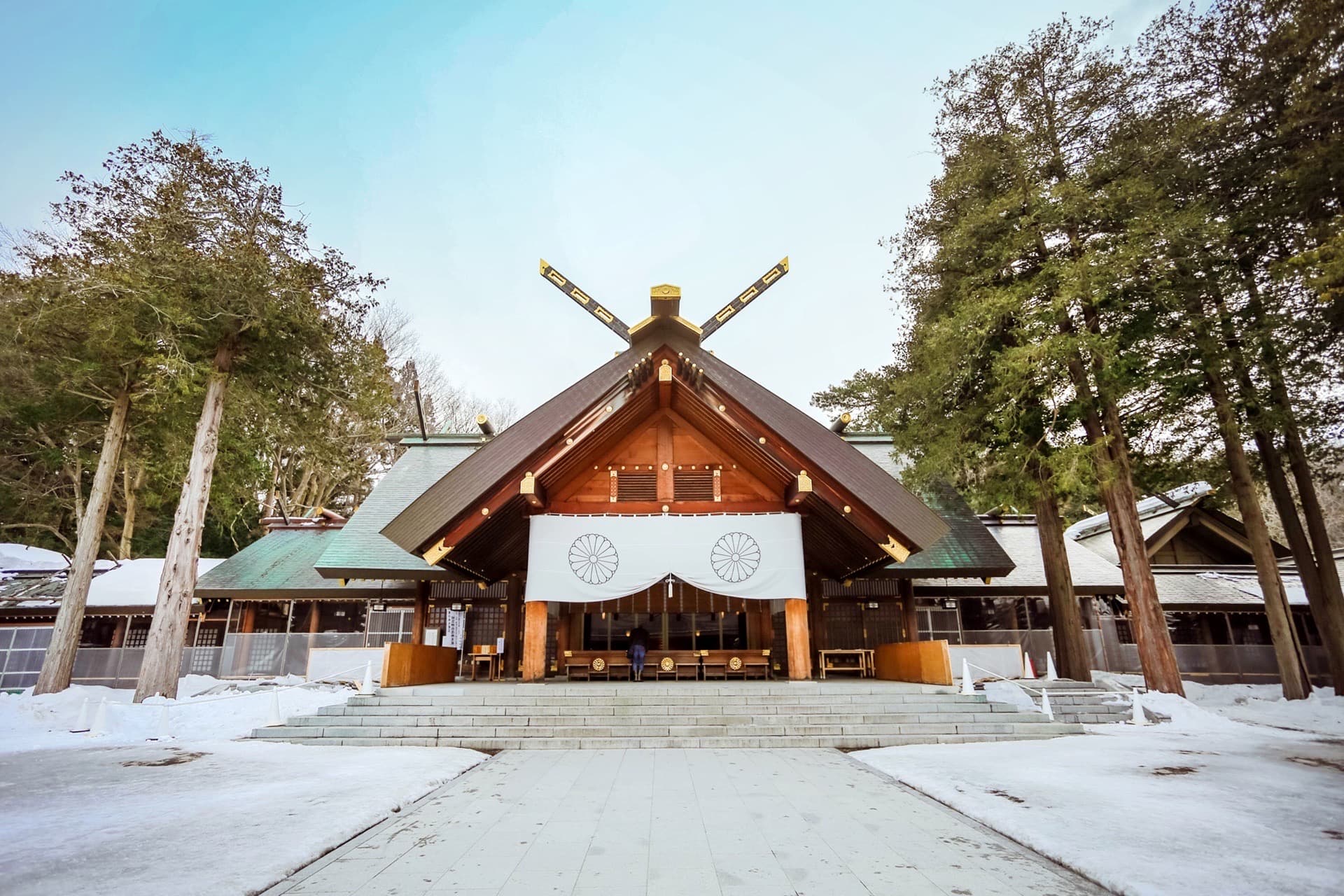
Hokkaido Jingu is the primary Shinto shrine in Hokkaido, established in 1869 by Emperor Meiji to enshrine the deities responsible for the development and protection of the region. It serves as a significant spiritual center for locals and a historical landmark reflecting Hokkaido's early pioneering efforts. While its history is relatively shorter compared to ancient shrines in other parts of Japan, its role in the region's identity is profound.
Visitors consistently praise the shrine's tranquil and well-maintained grounds, often describing the atmosphere as peaceful and serene. Many reviewers highlight its beautiful natural setting within Maruyama Park, making it an ideal spot for a relaxing stroll. The shrine is particularly popular during spring for its cherry and plum blossoms, and in winter, when a blanket of snow transforms the landscape into a picturesque scene. Reviewers frequently mention the opportunity to observe traditional Shinto practices, such as hand-washing rituals, bowing, clapping, and making wishes. The availability of English fortune-telling slips (omikuji) and unique amulets, including Hello Kitty and Rilakkuma designs, is often noted as an engaging aspect for international visitors.
To make the most of your visit, plan for 1-2 hours, allowing ample time to explore the shrine and enjoy a leisurely walk through Maruyama Park. Many suggest arriving early in the morning to avoid crowds, especially during peak seasons like cherry blossom viewing or New Year's. Dress respectfully, as it is a sacred site. Reviewers recommend trying the local specialty 'Fukure Mochi' (a warm sweet red bean paste cake) and complimentary green tea at the Rokkatei Jingu Chaya tea house located on the grounds. Consider combining your visit with Maruyama Park and the Maruyama Zoo, which are both within walking distance. For those interested in photography, the shrine offers stunning backdrops, particularly in winter and spring.
Hokkaido Jingu is easily accessible. Take the Tozai Line subway to Maruyama Koen Station (T06). From there, the shrine is about a 10-15 minute walk through Maruyama Park. Several reviewers note the pleasant walk through the park as part of the experience. If driving, parking is available, with some reviewers mentioning free parking for the first 1-2 hours for worshippers. For visitors with mobility challenges, bus number 22 from Shin-Sapporo is wheelchair-friendly and stops closer to the shrine entrance, with a ramp available.
While generally a positive experience, some visitors note that the shrine can become very crowded during holidays, festivals, or cherry blossom season, which can detract from the peaceful atmosphere. To mitigate this, consider visiting on a weekday or during off-peak hours. A few reviewers also mention that compared to older, more elaborate shrines in Kyoto or Tokyo, Hokkaido Jingu might appear simpler due to its more modern construction after being rebuilt in 1978. However, its unique regional significance and natural beauty are consistently emphasized as its main draws.