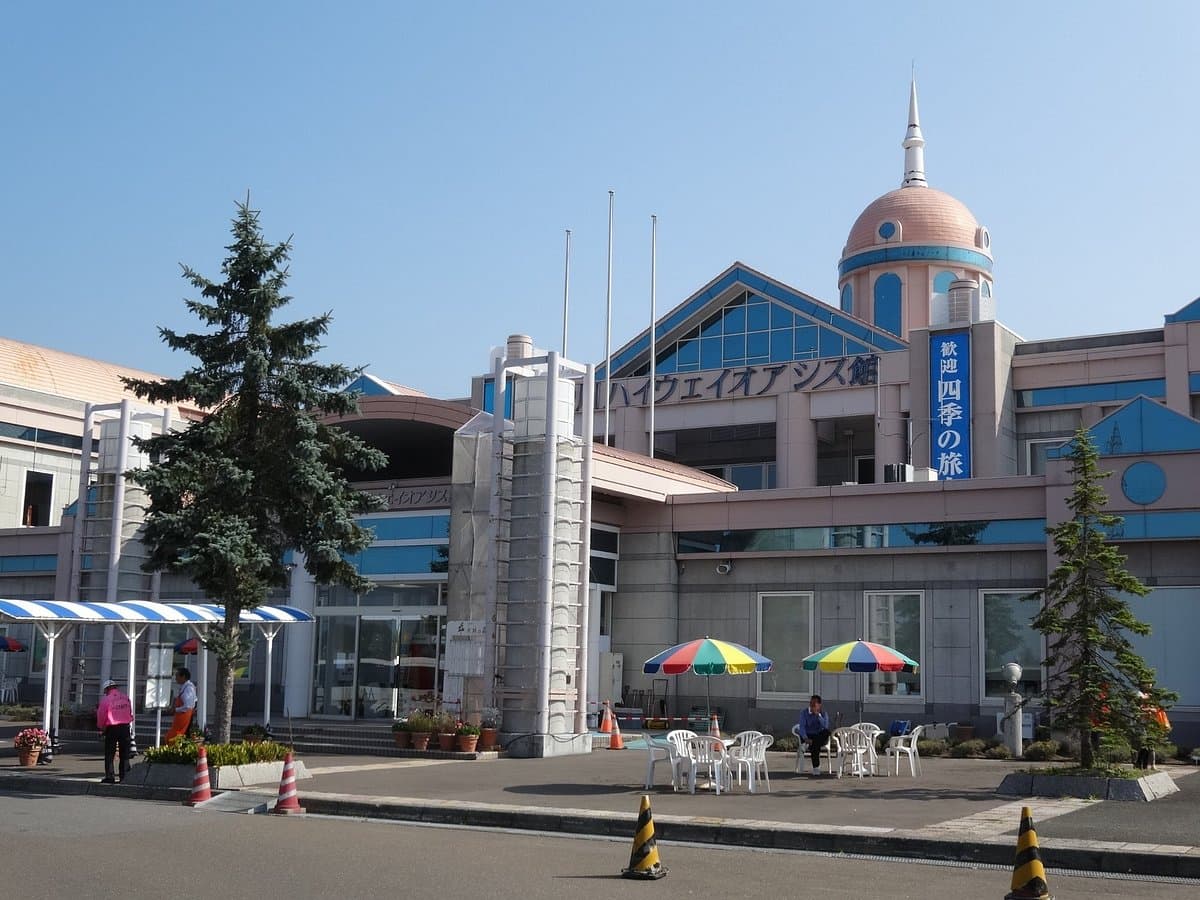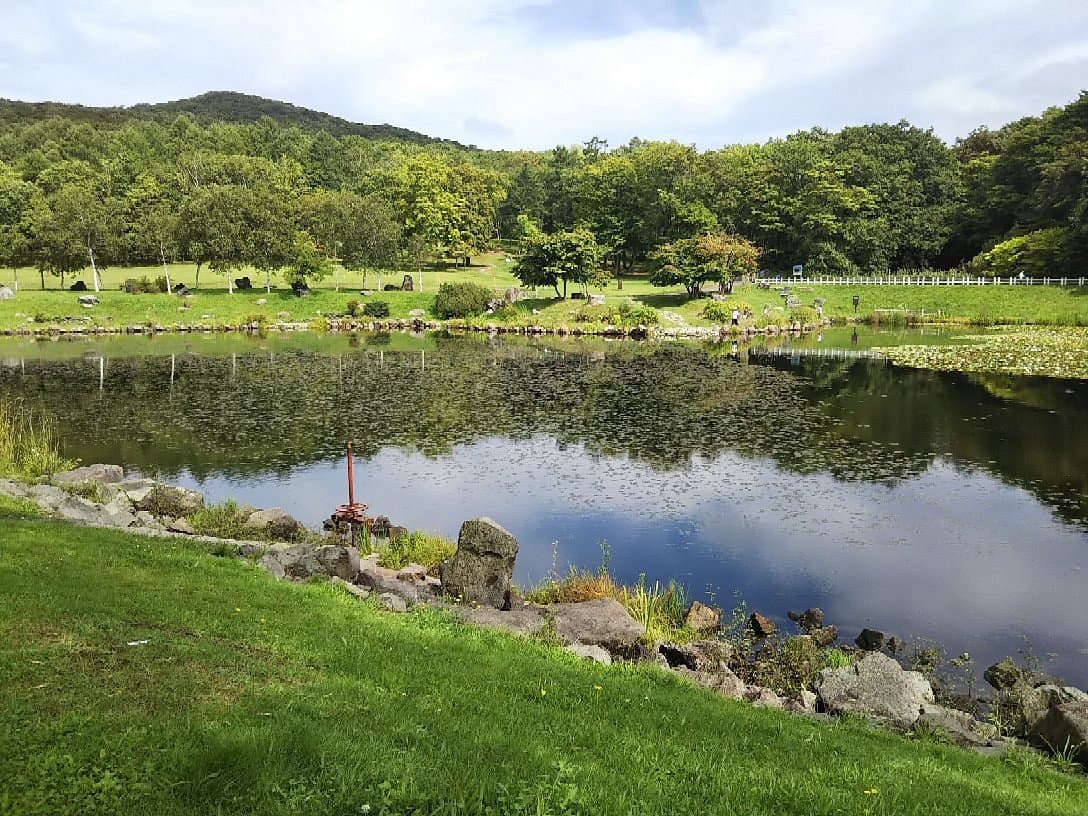
Hokkaido Kodomonokuni, often referred to as a children's country or park, serves as a significant recreational area for local families in Hokkaido. While not widely known among international tourists, it provides a valuable amenity for those exploring the region, particularly as a convenient stopover point.
Visitors consistently praise the park for its family-friendly infrastructure. The availability of clean toilets, a dedicated breastfeeding room with hot water, and vending machines for drinks and ice cream are frequently highlighted as practical benefits, especially for families with young children. The park offers a variety of play equipment, which reviewers note is suitable for different age groups, allowing children to burn off energy during a long journey. The overall atmosphere is described as relaxed and welcoming, making it a pleasant place for a break.
For those planning a visit, it's advisable to allocate approximately 1-2 hours to fully enjoy the facilities without feeling rushed. Bringing snacks and drinks, beyond what's available in vending machines, might be beneficial, especially for longer stays or specific dietary needs. The park is best visited during daylight hours, and while it's a good pit stop, it's generally not considered a full-day destination.
Hokkaido Kodomonokuni is located at 401-1 Hokko, Sunagawa, Hokkaido. Given its location, it is most easily accessed by car, particularly for those driving the route between Sapporo and Asahikawa. There is no specific public transport information readily available in reviews, suggesting personal vehicle use is the primary mode of access. Parking is generally ample and convenient for visitors.
A common observation is that the park is primarily geared towards local families, meaning English information or staff might be limited. However, the facilities themselves are straightforward to use, and the focus is on simple, outdoor play, which transcends language barriers. There are no significant complaints or issues reported that would require specific mitigation strategies beyond general travel preparedness.