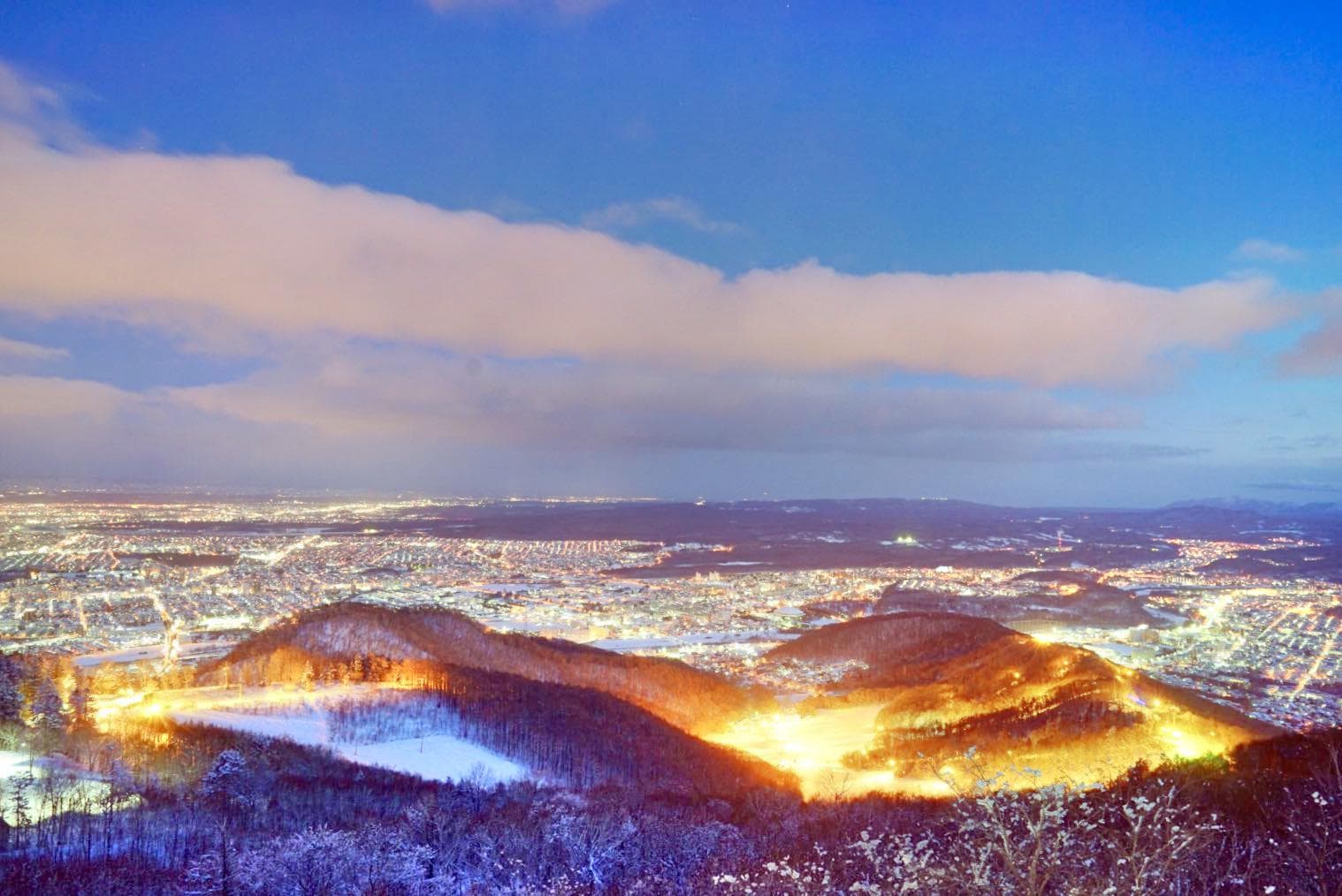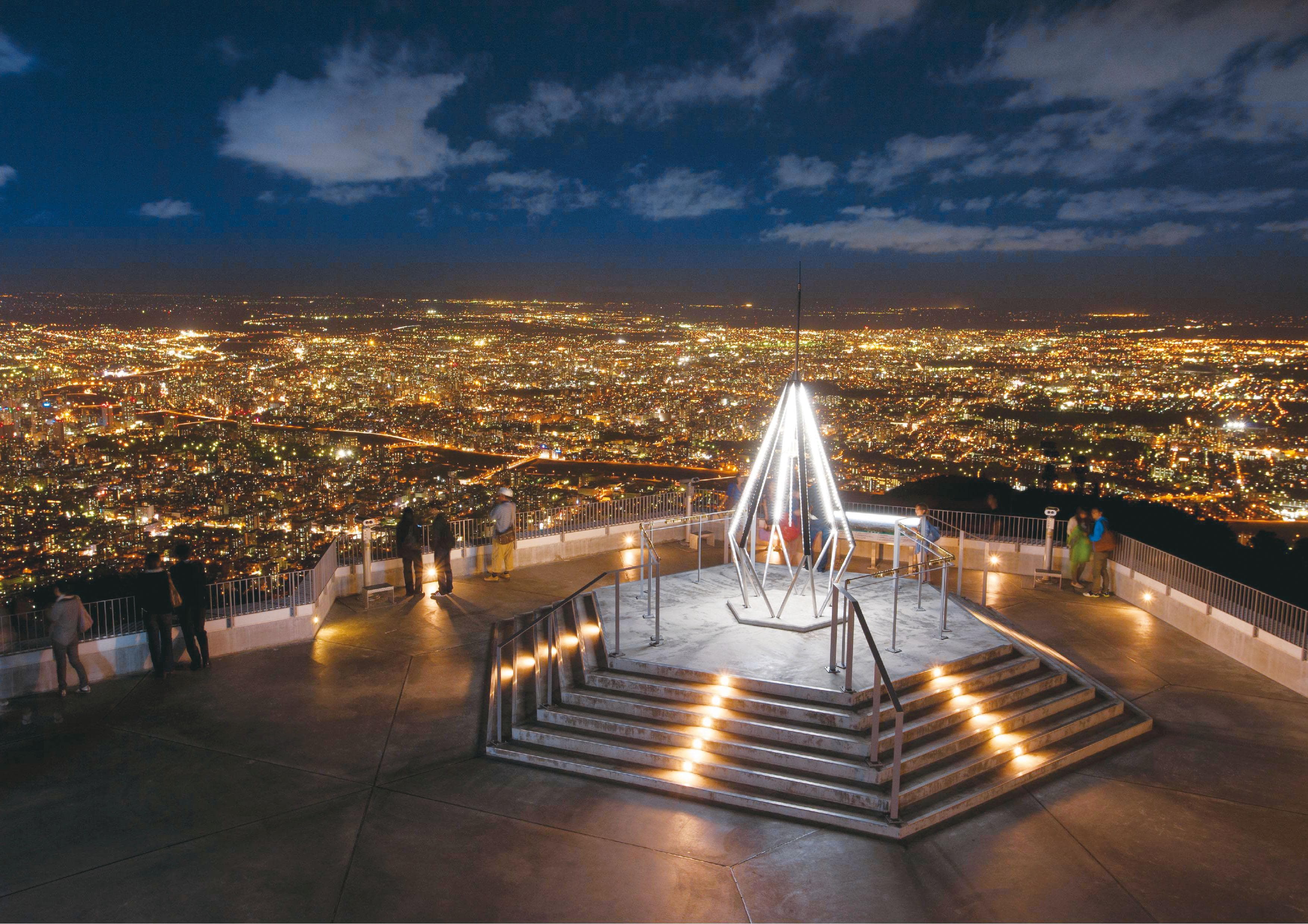
Mt. Moiwa, or Moiwayama, is a 531-meter high mountain located southwest of Sapporo, offering unparalleled panoramic views of the city and Ishikari Bay. It is celebrated as one of Japan's "New Three Great Night Views" and is also recognized as a national natural monument due to its preserved old-growth forest and rich animal and plant ecology. The mountain holds cultural significance, known in the Ainu language as "inkar-us-pe," meaning a place to climb to the top and look around.
Visitors consistently praise the spectacular views, particularly the night scenery, often described as a "jewel-studded" landscape or a "sea of stars." Many recommend timing a visit around sunset to experience both the daytime and nighttime vistas. The journey itself, involving a ropeway and a mini cable car (called "Morris Car"), is often highlighted as an enjoyable part of the experience. The "Bell of Happiness" at the summit, where couples can attach padlocks, adds a romantic touch that many appreciate. Reviewers frequently advise bringing warm clothing, even in summer, as it can be windy and cold at the summit, especially at night or in winter.
To make the most of your visit, aim for a clear day or evening. Several visitors suggest arriving 30-60 minutes before sunset to witness the transition from day to night. While the cable car ride is convenient, some adventurous travelers enjoy hiking up one of the five well-maintained trails, which can take about 1-2 hours round trip. Hikers note the presence of Buddhist statues along the paths and a vending machine and restrooms at the top. For those taking the cable car, expect queues, especially during peak times like weekends or holidays. Purchasing tickets in advance or looking for discount coupons (sometimes found on trams or at tourist centers) can save both time and money. Consider visiting on a weekday afternoon to avoid the largest crowds.
Getting to Mt. Moiwa involves a multi-step process, but it is well-organized. From central Sapporo, take the city tram (streetcar) to the "Ropeway Iriguchi" (ロープウェイ入口) station. This stop is about halfway around the tram loop. From there, a free shuttle bus runs frequently to the lower ropeway station. The shuttle ride is short but highly recommended, especially in winter, as the walk can be steep and exposed to cold winds. At the lower station, you'll take the main ropeway up to the mid-station, then transfer to the smaller "Morris Car" cable car for the final ascent to the summit observatory. The entire journey from the tram stop to the summit typically takes around 70 minutes, including transfers and waiting times.
Common complaints revolve around long queues for the cable cars, especially when descending after sunset, and poor visibility on foggy or snowy days. To mitigate these issues, check the weather forecast before heading out; the observatory often has live cameras showing current conditions. If queues are excessively long, some reviewers suggest walking down from the mini cable car station to the main ropeway station, though this is only feasible for those who are physically able. Be prepared for crowds and potential waiting times, particularly if visiting during popular evening hours or holidays. The cost of the ropeway and cable car (around 2100 JPY for a round trip) is sometimes mentioned as pricey, but most agree the views justify the expense.