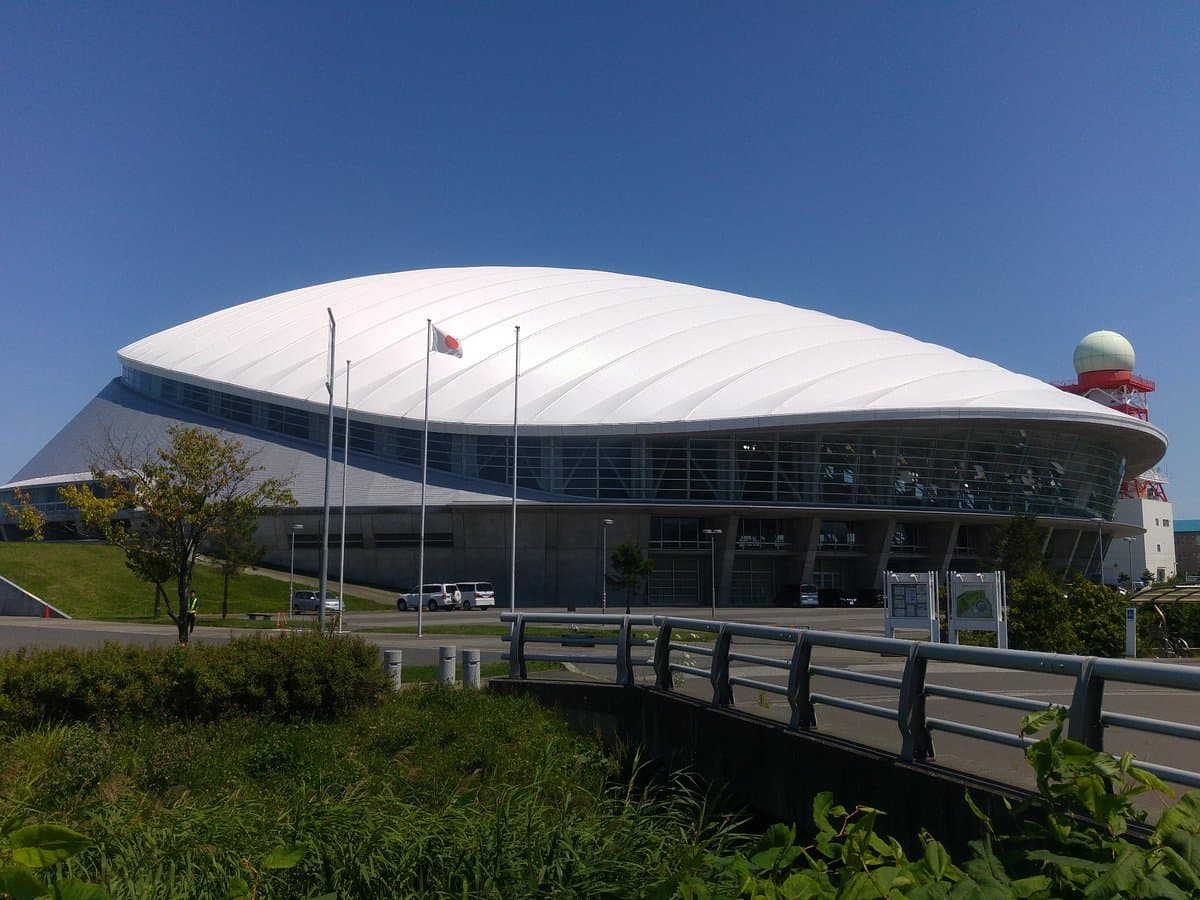
What This Place Is: Tsudome (Sapporo Community Dome) is the outdoor, family-oriented venue of the Sapporo Snow Festival, located in the eastern suburbs. Unlike the central Odori Park site featuring large ice sculptures aimed at adult visitors, Tsudome emphasizes interactive snow activities and is designed primarily for children and families. The venue operates only during the annual Sapporo Snow Festival in early February; outside this period, it is closed to the public.
What Visitors Consistently Praise: Families with children under 10 report genuine enjoyment of the diverse snow activities available: tube sledding, traditional sledding, snow slides of varying heights, snowman building, snow rafts, and zip-lining. Visitors appreciate the indoor dome as a warm refuge with food stalls and play areas, allowing families to take breaks without leaving the venue. The facility is well-organized with helpful staff and volunteers, and weekday visits tend to be far less crowded than weekends. Several reviewers note that the venue offers excellent value—entry is free, with costs limited to transportation and optional activity fees.
Common Criticisms and Reality Check: Visitors consistently warn that Tsudome is not suitable for adults without children. Adults visiting alone or as couples report finding the activities "babyish" and lacking engaging options. More critically, weekend and peak-day visits can involve wait times of 2–2.5 hours for popular slides, creating frustration despite the outdoor setting. Several reviewers mention the venue can feel "bleak" during crowded periods, with long queues dominating the experience. One visitor reported infrastructure issues (leaking roof). The site is genuinely remote—a 30-minute bus ride from central Sapporo—making it a significant commitment for those with limited time.
Practical Advice from Visitor Experience: Timing is critical: Visit on a weekday morning if possible; weekend afternoons are congested. Arrive early to minimize wait times. Dress extremely warmly—multiple reviewers emphasize that the venue offers no warm clothing rental or sales, and the outdoor activities expose you to prolonged cold. Bring hand warmers, thermal layers, and waterproof snow suits for children. Food strategy: The dome has food stalls, but bringing your own food is permitted and recommended to save money and time. Expect to spend 2–3 hours at the venue if you want to try multiple activities. Budget: Entry is free; bus transport costs approximately 100 yen per person from Sakaemachi station or from central Sapporo shuttle points. Individual activity costs are minimal but add up if your group tries many attractions.
Getting There—Critical Transport Information: Tsudome is accessible via two main routes. Option 1 (Recommended for most visitors): Take the Toho Line subway to Sakaemachi Station (the line's final stop). Exit and follow signs to the shuttle bus stop; a 100-yen shuttle operates from here directly to Tsudome. This is the most straightforward route and avoids the long walk mentioned by reviewers. Option 2 (From Central Sapporo): During the Snow Festival, shuttle buses depart from Odori Park (specifically the Odori Bisse stop, accessible via Exit 13 of the Sapporo Ekamie-Dori Underground walkway near Sapporo Station). These buses fill before departing, so arrive early. The journey takes approximately 30 minutes. Do not attempt to walk from Sakaemachi Station to Tsudome—multiple reviewers warn it is a freezing, impractical trek in winter conditions. Driving is possible but parking information is limited in reviews; public transport is strongly preferred.
Common Complaints and Mitigation: The primary complaint is overcrowding and long wait times during peak festival days. Mitigate this by visiting on a weekday or arriving very early (before 10 a.m.). A secondary complaint is that the venue is poorly suited to adult visitors without children; if you fall into this category, prioritize the central Odori Park ice sculptures instead. One reviewer reported facility maintenance issues; while this may have been an isolated incident, it suggests the venue can be inconsistently maintained during high-traffic periods.