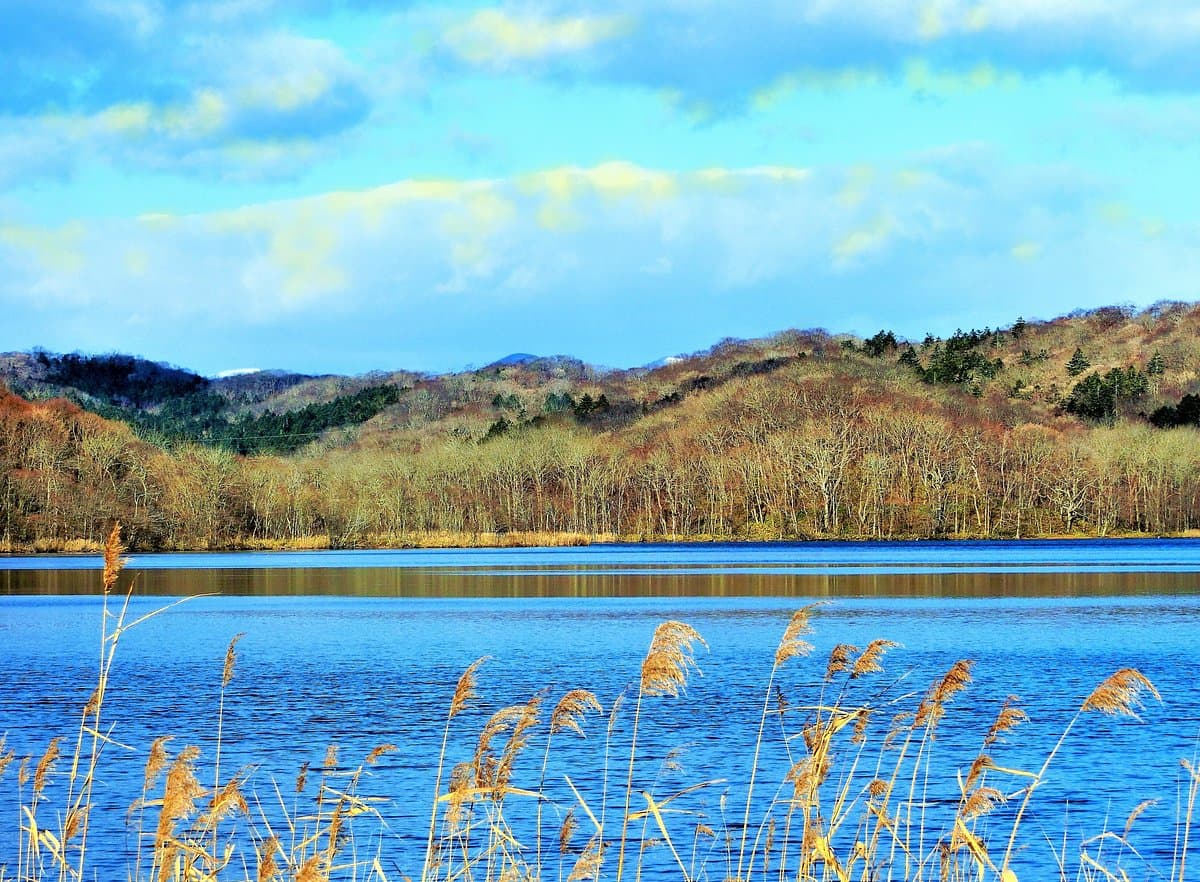
Upopoy, the National Ainu Museum and Park, is Japan's first national museum dedicated to the indigenous Ainu people. Located on expansive grounds beside a calm lake, it serves as a vital center for preserving, researching, and promoting Ainu culture, history, and language. The complex aims to foster a deeper understanding and appreciation of the Ainu, who primarily inhabit Hokkaido and other northern islands, highlighting their distinct traditions, spiritual beliefs, and historical struggles.
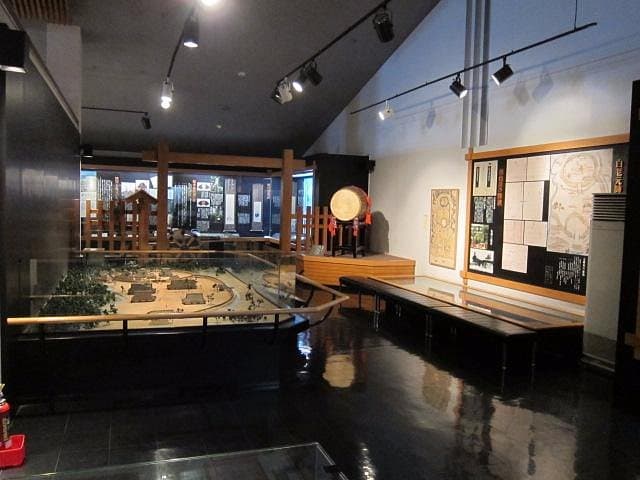
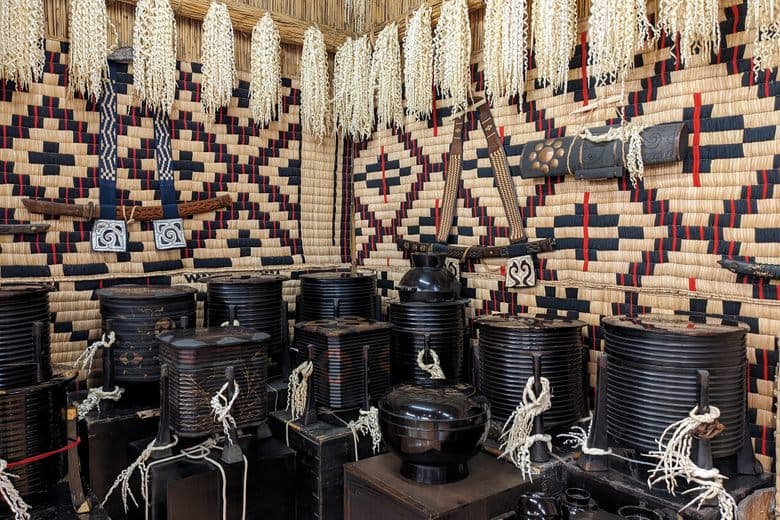
Visitors consistently praise the museum's thoughtful and comprehensive approach to presenting Ainu culture. Many highlight the engaging exhibits that cover unique ceremonies, clothing, food, and belief systems, as well as the historical persecution faced by the Ainu. The traditional Ainu performances in the theater, which include audio translation devices, are frequently mentioned as a highlight, offering a vivid glimpse into their artistic heritage. Reviewers also appreciate the opportunity to explore replica cises (Ainu houses), some of which host talks and demonstrations, occasionally featuring the traditional mukkuri (mouth harp).
To make the most of a visit, plan to spend at least 2-3 hours, allowing ample time for both the indoor museum and the outdoor park areas. It's advisable to check the schedule for performances and talks upon arrival, as these can enhance the experience significantly. While much of the museum's written content is available in English, some live presentations inside the cises are primarily in Japanese, so visitors might consider a translation app if they wish to fully engage with these specific sessions. There are several food options offering local specialties and a gift shop on site.
Upopoy is conveniently located and easily accessible. It can be reached via a short, well-marked walk from Shiraoi train station. For those traveling by car, ample parking is available on site. The clear signage from the station makes it straightforward to find for public transport users.
A common point raised by some visitors is the emotional weight of the historical content, particularly regarding the persecution of the Ainu. While this is an essential part of the narrative, visitors should be prepared for potentially somber reflections. To mitigate this, balancing time between the museum's historical exhibits and the more vibrant cultural performances and outdoor park areas can provide a more holistic experience.