The Hokkaido Museum serves as the primary institution for understanding the island's distinct natural environment, geological formation, and the historical development of its diverse inhabitants, most notably the indigenous Ainu people. It provides crucial context for visitors to appreciate Hokkaido's unique place within Japan, covering everything from prehistoric eras to modern times.
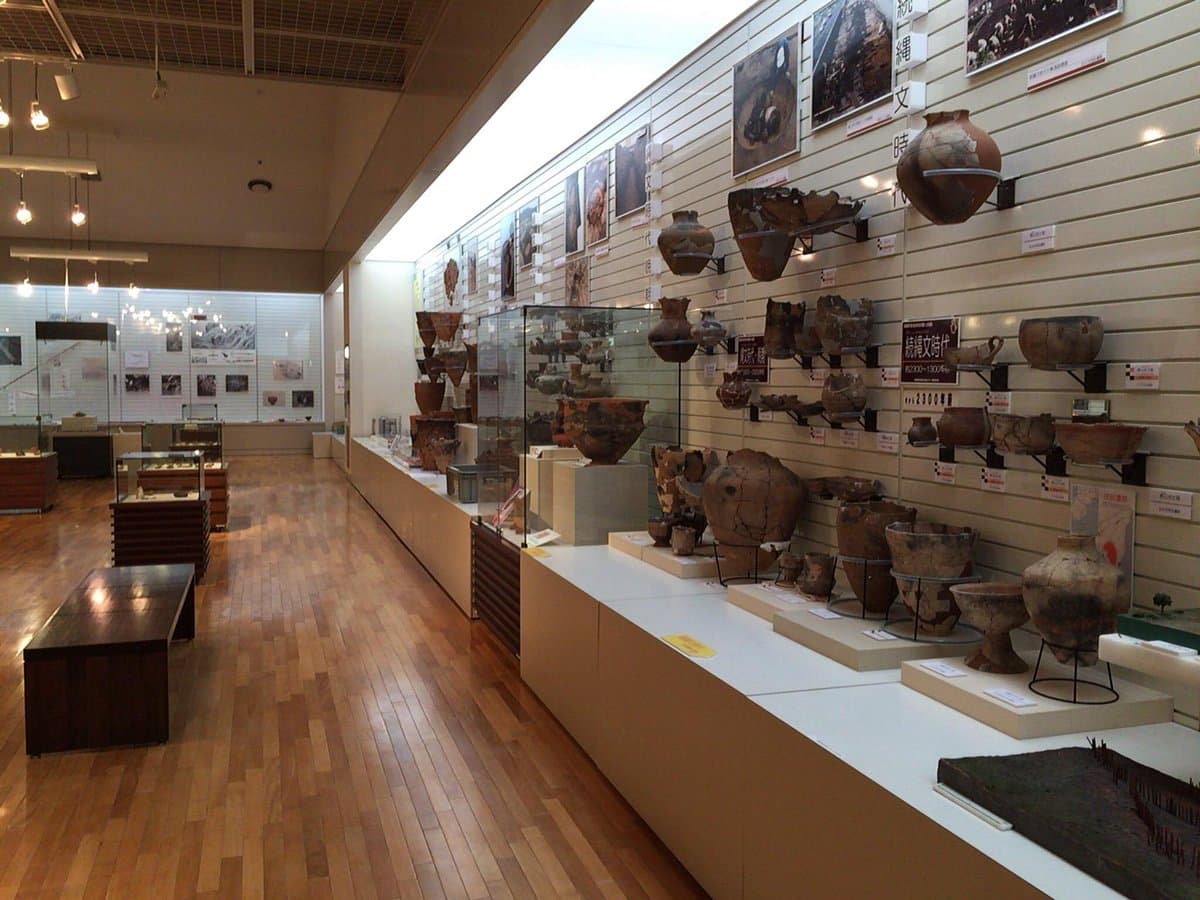
Visitors frequently commend the museum for its engaging and informative exhibits, particularly those dedicated to Ainu culture and the early settlement of Hokkaido. Many appreciate the clear and comprehensive English explanations available on placards and through an optional app, making the complex history accessible to international guests. The museum's layout is often described as logical, guiding visitors through a chronological journey. Reviewers highlight the impressive natural history section, including a mammoth display, and the detailed archaeological artifacts. The opportunity to learn about the Ainu people's struggles and contributions is consistently cited as a profound and eye-opening experience.
To make the most of your visit, plan for at least 2-3 hours, though some suggest a full day, especially if combining with the adjacent Hokkaido Historical Village. A combined ticket for both attractions is highly recommended by many visitors as it offers excellent value. While an audio guide is available, some reviewers found it redundant as it often simply reiterates the well-written placards; focusing on the visual displays and English text might be sufficient. Consider bringing your own snacks or drinks, as the on-site cafe primarily offers beverages. The museum is particularly suitable for families, with hands-on exhibits and events for children.
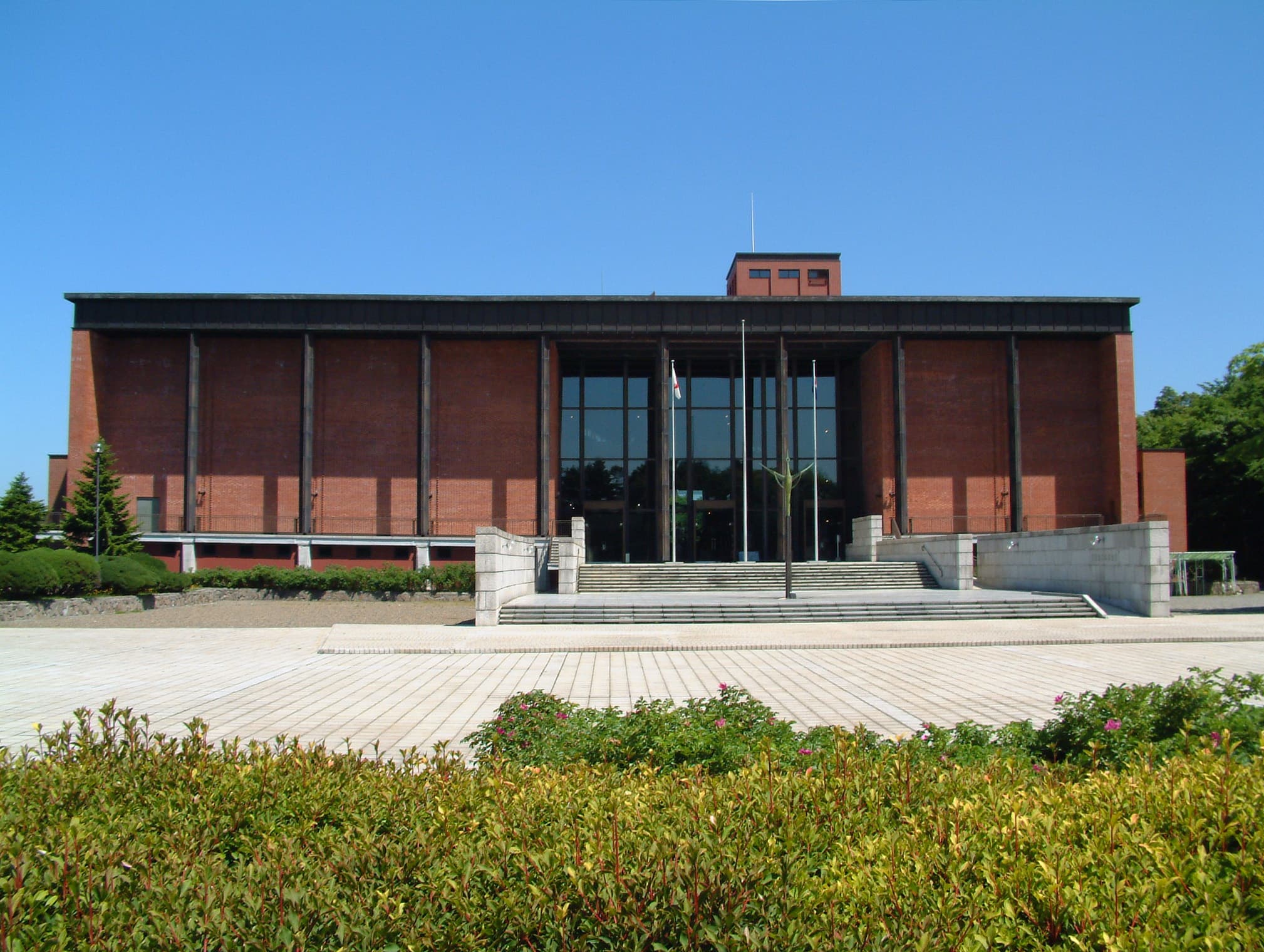
The museum is located somewhat outside central Sapporo but is easily accessible by public transport. Take the JR train to Shin-Sapporo Station. From the Shin-Sapporo bus terminal (stop 10), catch bus number 22, which runs approximately every 30 minutes and stops directly in front of the museum. This route is consistently mentioned as straightforward, though some initial confusion about the bus line from the station has been noted. Driving is also an option, with parking available.
A common minor complaint is the occasional lack of English explanations for individual artifacts, even when main section descriptions are provided. To mitigate this, consider downloading the museum's app in advance, which may offer additional language support. Some visitors also note that the audio guide numbering can be confusing; it's advisable to rely on the clear signage and English placards first.