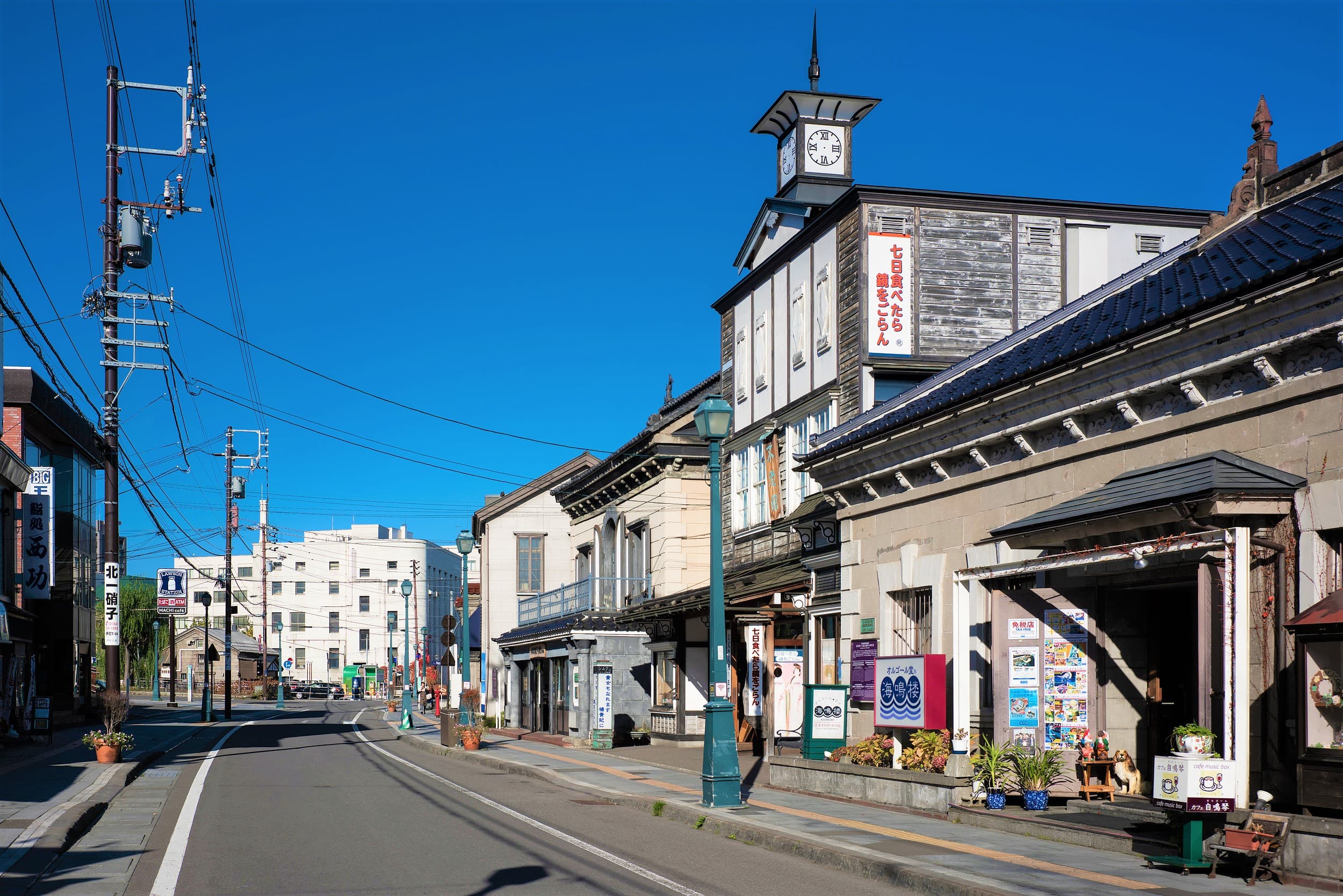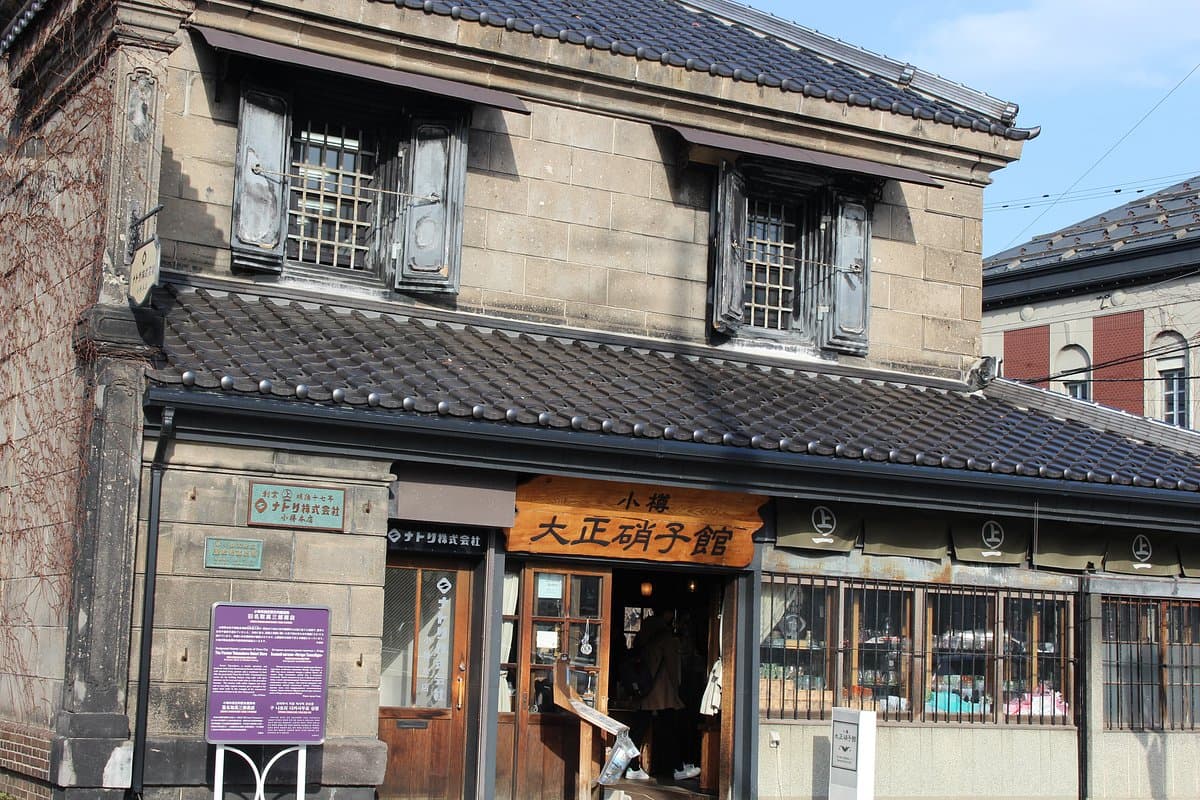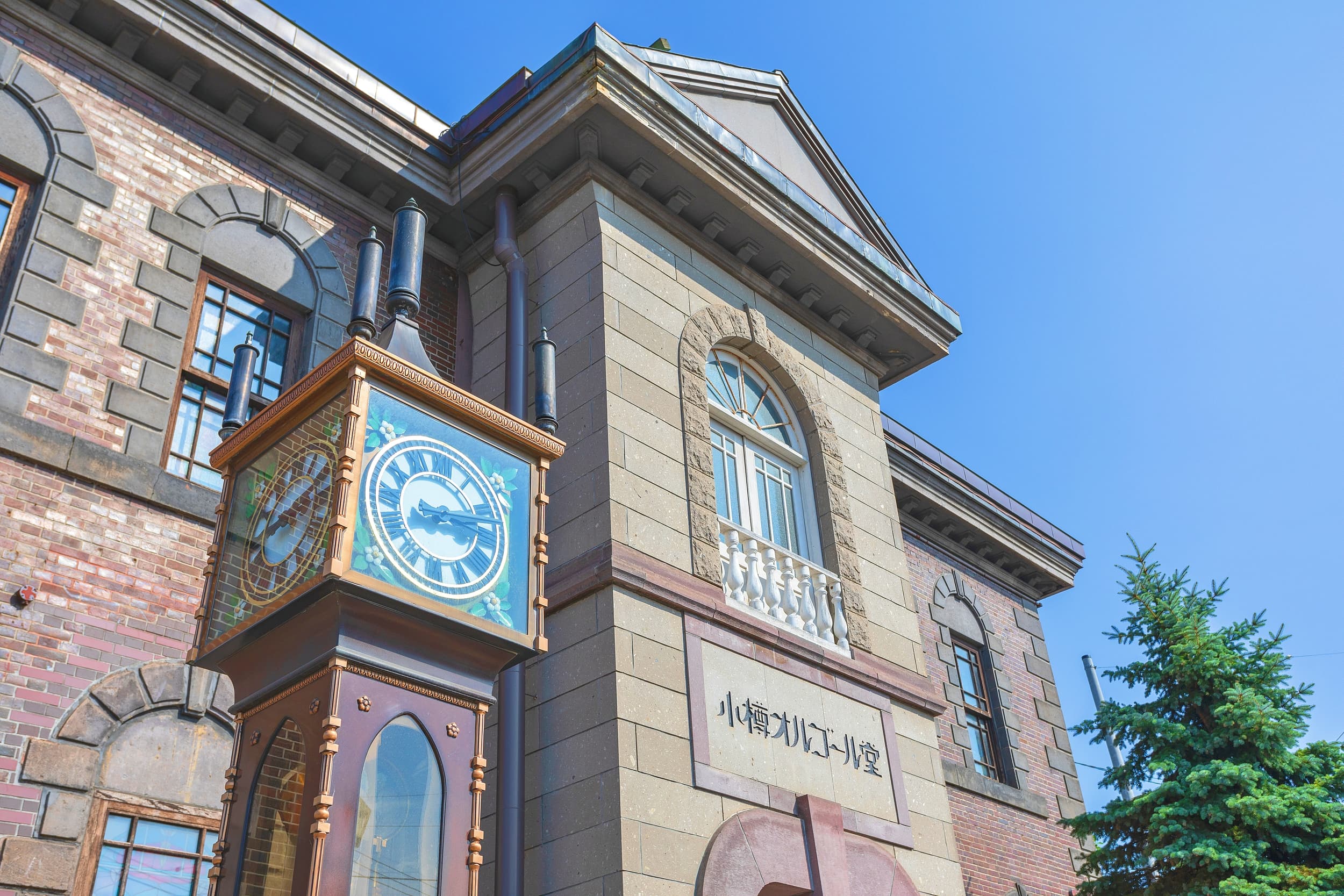
The Otaru Music Box Museum, also known as Otaru Orgel-Doh, is a significant cultural landmark in Otaru, renowned as Japan's oldest and largest music box museum and specialty store. Housed in a beautifully preserved 1912 brick building that once served as a rice merchant's storehouse, the museum itself is an architectural marvel. It showcases the enduring popularity of music boxes in Japan, offering a vast collection that spans historical antiques to contemporary designs.
Visitors consistently praise the enchanting atmosphere created by the melodious sounds of thousands of music boxes. Many reviewers highlight the sheer variety, noting everything from traditional wooden and glass music boxes to whimsical designs featuring anime characters, sushi, or Ferris wheels. The opportunity to customize music boxes by choosing both the design and the melody is a popular activity, especially for those seeking a unique souvenir. The 5.5-meter-high steam clock outside the main building is a major draw, captivating crowds every 15 minutes with its melody and steam release, making it a favorite photo spot.
To make the most of your visit, plan to spend at least 1 to 2 hours, especially if you intend to browse the extensive collection or consider a purchase. Reviewers suggest visiting during off-peak hours to avoid crowds, particularly in winter when Otaru is a popular destination. While the main building is primarily a retail space with exhibits, the nearby Second Hall (Antique Museum) offers a more focused museum experience with older, more valuable music boxes, including a pipe organ that plays automatically at specific times (e.g., 10:00-12:00, 14:00-16:00 for 15 minutes each hour). Consider visiting both for a comprehensive experience. Admission to both buildings is free.
The museum is conveniently located near Minami-Otaru Station, just a five to six-minute walk away. Many visitors recommend getting off at Minami-Otaru Station and walking towards the museum, as it's situated at the "Fairy Tale Crossroads" (Marchen Intersection), a central point for exploring Otaru's charming Sakaimachi Street. The iconic steam clock makes it easy to spot. For those driving, parking information is not explicitly mentioned in reviews, but the area is pedestrian-friendly.
A common complaint among some visitors is that the main building feels more like a large shop than a traditional museum, with some finding the quality of certain mass-produced music boxes to be lower than expected. To mitigate this, focus on the unique, handcrafted items or visit the Second Hall for its antique collection. The sheer volume of items can also be overwhelming; prioritize areas of interest or allow ample time for exploration.