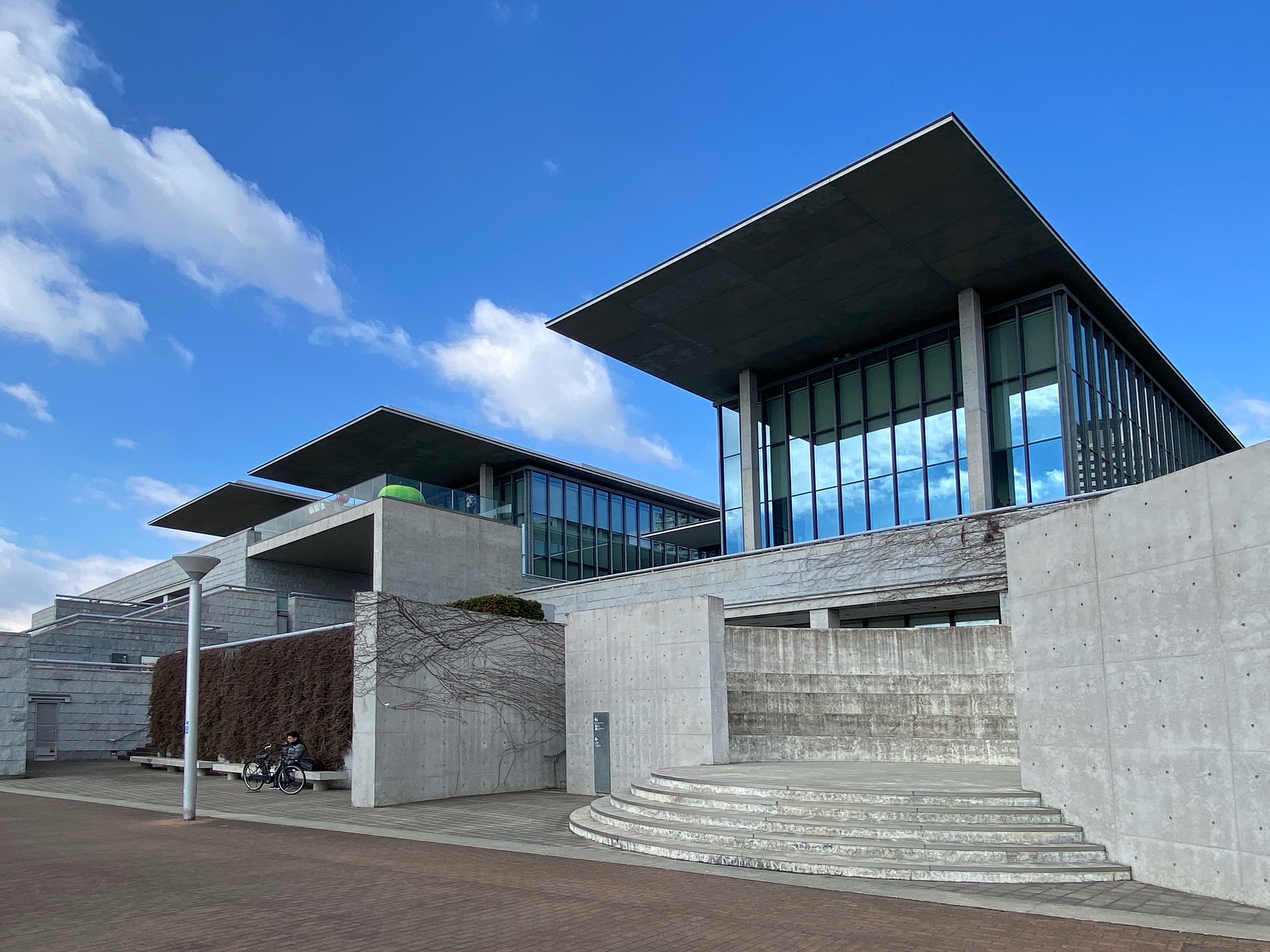
The Hyogo Prefectural Museum of Art stands as a testament to modern Japanese architecture, designed by the internationally acclaimed Tadao Ando. It is not merely a venue for art but an architectural artwork itself, characterized by its striking use of bare concrete, glass, and thoughtful integration with its seaside surroundings. The museum houses a significant collection of over 3,000 domestic and foreign works, including prints and paintings by masters like Goya and Picasso, presented across six permanent exhibition halls.
Visitors consistently highlight the museum's architectural brilliance as a primary draw. The interplay of light and shadow through glass and concrete, the grand staircase, and the overall minimalist yet profound design are frequently praised. Many find the building itself to be as compelling as the art it contains, with some even visiting primarily to admire Ando's work. The museum's tranquil atmosphere and beautiful seaside location also contribute to a pleasant experience, making it suitable for a leisurely stroll around the premises. While the permanent collection is well-regarded, temporary exhibitions, which can sometimes feature Impressionist works, are also a significant draw.
To make the most of your visit, allocate approximately 2-3 hours. While the museum is generally not overly crowded, especially on weekdays, arriving shortly after opening can ensure a more serene experience. Consider visiting in the late afternoon to enjoy the lighting effects as the day progresses and potentially the illuminated exterior at night. It's advisable to check the museum's official website for current temporary exhibitions, as these often receive high praise and might influence your visit timing. Be aware that photography policies can vary for different exhibitions; some areas might restrict photography, so always look for signage.
Access to the museum requires a bit of walking. It is located near JR Nada Station or Hanshin Iwaya Station, both requiring a walk of over ten minutes. Several reviewers suggest that taking a bus from Sannomiya Station might be a more convenient option, especially if you prefer to minimize walking. The museum's seaside location, while scenic, does mean it's somewhat removed from central Kobe attractions, so plan your transportation accordingly. Parking information is not prominently mentioned in reviews, suggesting public transport is the preferred method.
A common complaint, though infrequent, relates to the perceived remoteness of the location and the walk from the nearest train stations. Some visitors also mention that while the architecture is stunning, understanding the art, especially in temporary exhibitions, can sometimes be challenging without sufficient background or language support. To mitigate this, consider researching current exhibitions beforehand and utilizing any available audio guides or information pamphlets. Another minor point raised by one reviewer was feeling overly monitored by staff, which can detract from the viewing experience. Generally, however, the museum is described as a peaceful and enjoyable place to visit.