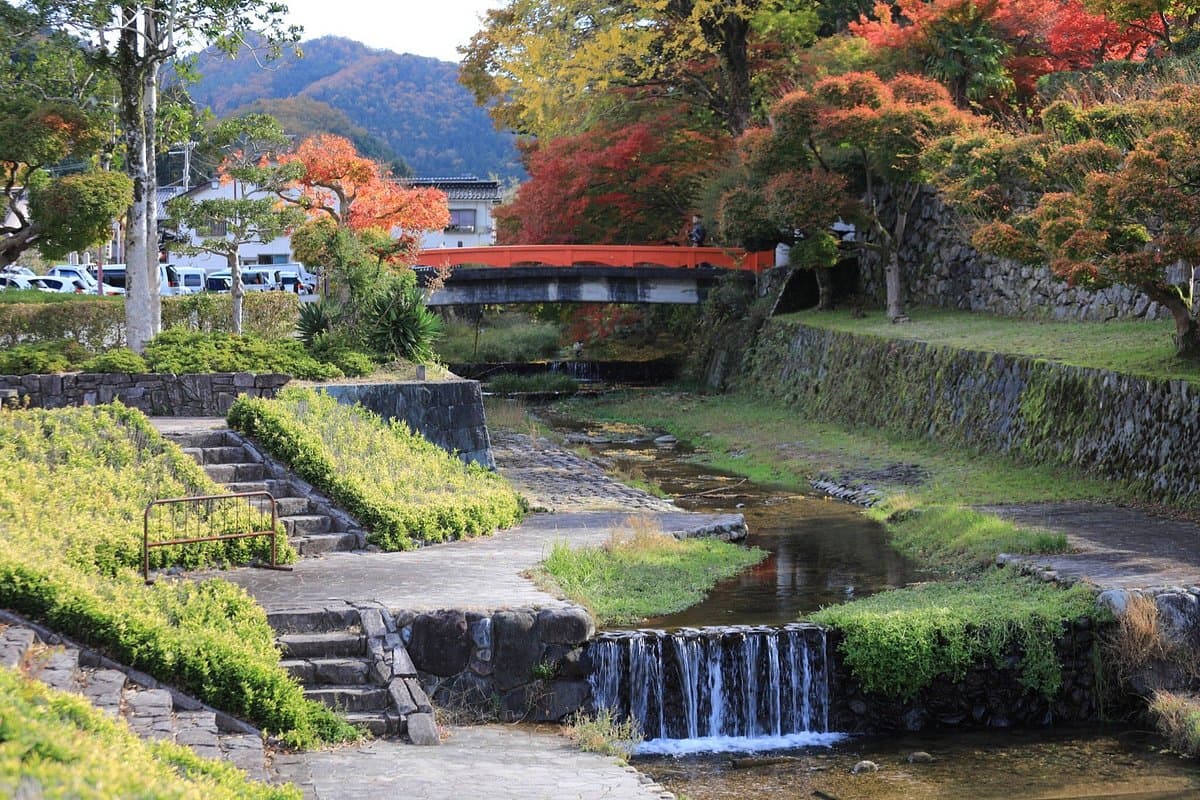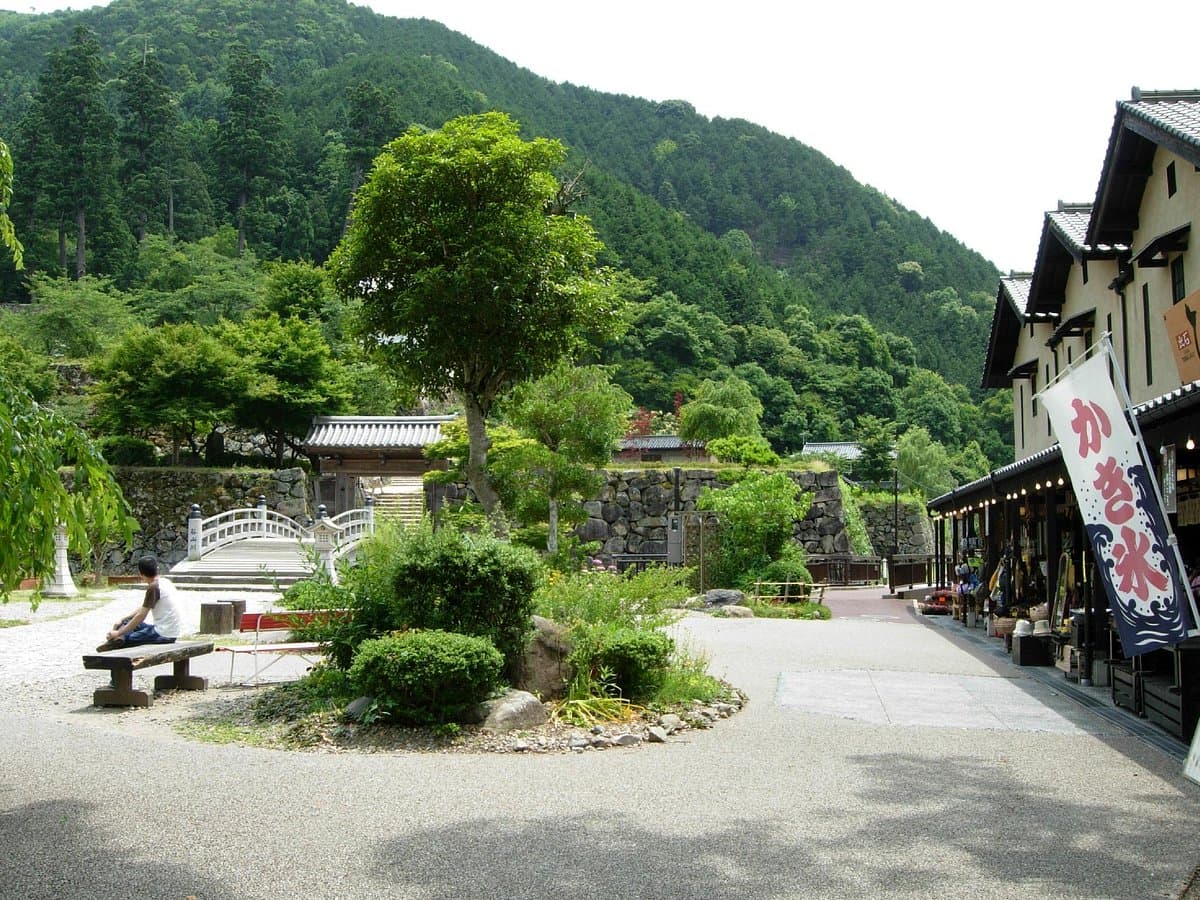
Izushi Castle Town is a small, historic town renowned for its Edo-period charm, the ruins of Izushi Castle, and its distinctive soba noodles. Mentioned in ancient texts like the Kojiki and Nihonshoki, it offers a tangible connection to Japan's past, with a preserved castle town layout and traditional architecture. It's a popular side trip for those seeking a quieter, more authentic Japanese experience away from major tourist hubs.
Visitors consistently praise the town's picturesque quality and relaxed atmosphere, often describing it as a "charming place" or a "little gem." The abundance of soba restaurants is a major draw, with many reviewers recommending trying the local specialty or even participating in a soba-making class. The Inari Shrine, with its numerous red torii gates leading up a hillside, is frequently highlighted as a beautiful spot for photos and a pleasant walk, especially during autumn foliage or cherry blossom season. Reviewers also enjoy exploring the local crafts, such as white clay pottery and willow bags, noting the opportunity to interact with artisans.
To make the most of your visit, plan for a half-day trip, typically 2-3 hours, which allows ample time to explore the castle ruins, stroll through the town, visit the shrine, and enjoy a soba meal. Many suggest visiting in spring for cherry blossoms or autumn for vibrant foliage. While the town is small and easily walkable, comfortable shoes are recommended, especially for the climb to the Inari Shrine. Reviewers advise checking bus schedules carefully, particularly for return journeys, as services can be less frequent. Some visitors note that while the town is charming, it might not offer extensive "photo opportunities" for those seeking dramatic backdrops, but rather a more subtle, historical ambiance.
Izushi is most commonly accessed by bus from Kinosaki Onsen or Toyooka Station. From Kinosaki Onsen, direct buses take approximately 75 minutes and cost around 750 yen, departing every half hour from 9 am. From Toyooka Station, it's about a 45-minute bus ride. Reviewers emphasize that the bus journey itself can be scenic, passing along a riverbank. While some visitors drive, parking options are available, and the town is compact enough to explore on foot once you arrive. Public transport is generally reliable, but checking the latest schedules is always advisable.
A common observation is the limited English information available, as the town is not heavily frequented by Western tourists. This can make navigation or understanding historical details challenging for some. To mitigate this, consider downloading offline maps or having a translation app ready. Some visitors also mention that while there are many soba restaurants, not all may have English menus, so being prepared to point or use basic Japanese phrases can be helpful. Despite this, the local people are generally described as very welcoming and friendly.