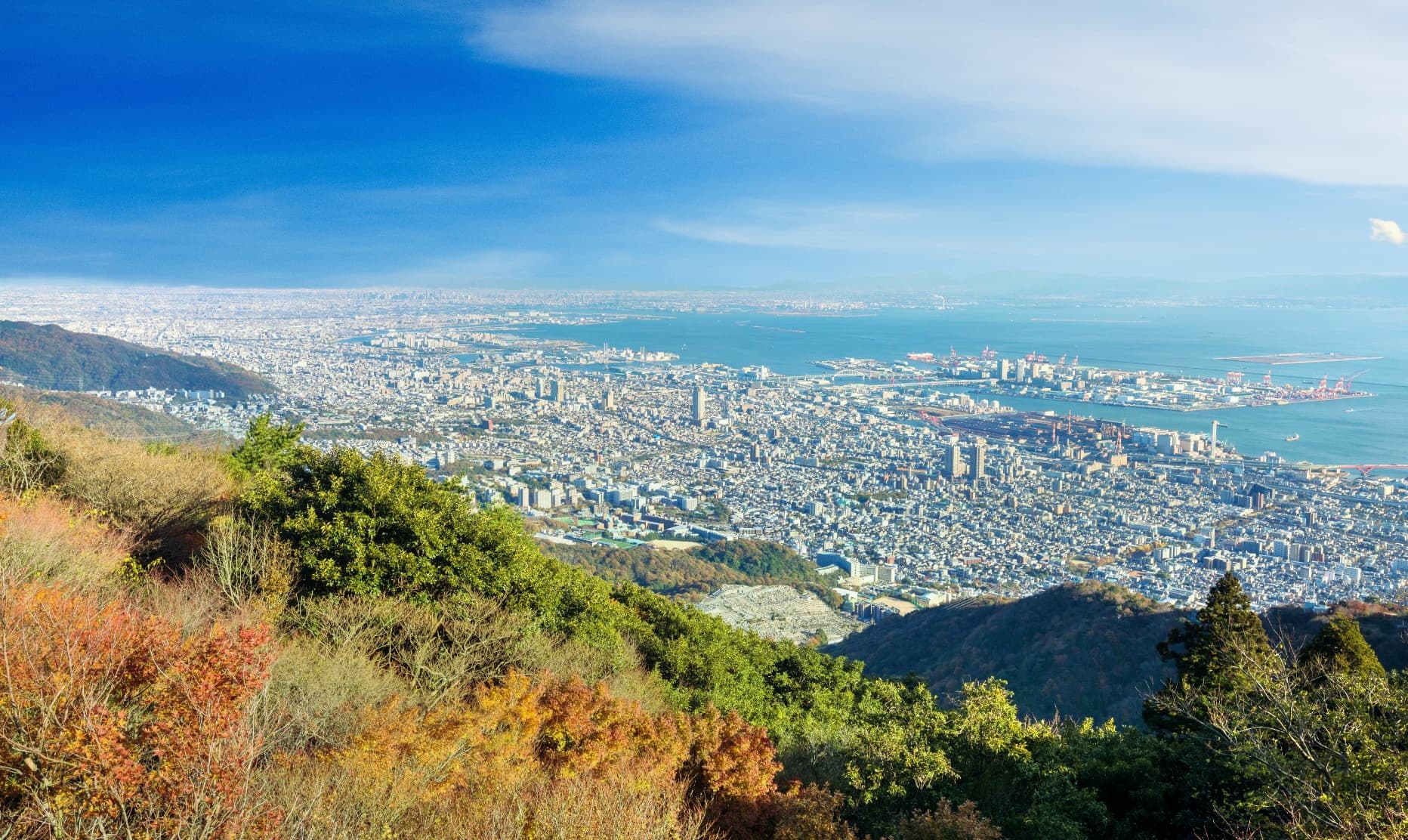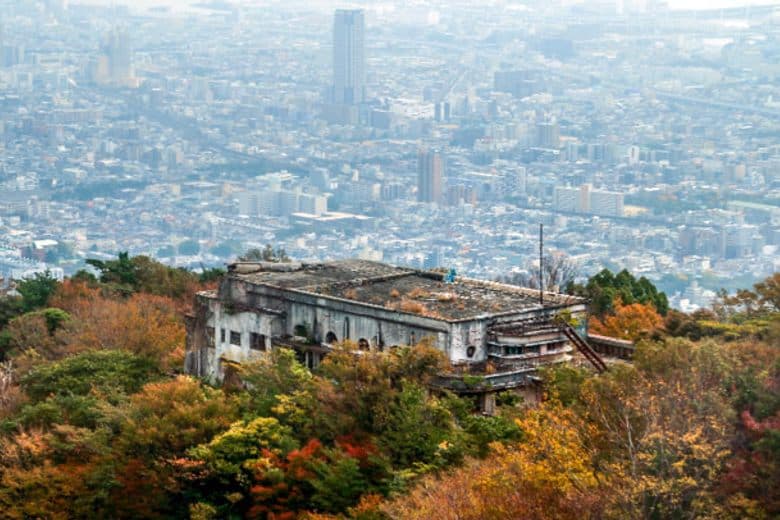
The Maya Hotel, perched on Mount Maya, is a striking example of pre-World War II Western Art Deco architecture in Japan. Originally built in 1929, its history is marked by repeated cycles of abandonment and rebirth, serving various purposes from a luxury hotel to a wartime anti-aircraft position and a student center. Today, it stands as one of Japan's most iconic 'haikyo' (abandoned places), drawing those fascinated by decaying grandeur and historical remnants.
Visitors consistently highlight the hotel's unique atmosphere and photogenic decay. The structure itself, with its Art Deco lines, offers a poignant glimpse into a bygone era. Reviewers often mention the eerie beauty of the abandoned interiors and the surrounding overgrown nature. However, it's crucial to understand that this is an abandoned site, and safety is a significant concern. The building is structurally unsound, and entering it is highly discouraged due to the risk of collapse or injury. Most visitors recommend admiring the hotel strictly from the outside.
For those determined to visit, practical advice from experienced explorers is essential. The trail leading to the hotel is unmarked and difficult to find, requiring a good sense of direction and preparation for a strenuous hike. It's advisable to wear sturdy hiking shoes and long clothing to protect against scratches and insects. Bringing water and snacks is also recommended, as there are no facilities nearby. The best time to visit is early in the morning, before 8 a.m., to avoid cable car passengers overhead who might observe your activities. This also provides better light for photography and a more solitary experience.
To reach the Maya Hotel, start from Hankyu Rokko station. From there, walk approximately 10 minutes to Nadamaruyama Park. The unmarked trail to the hotel begins uphill, turning off steeply behind a wooden fence. Public transport options to Hankyu Rokko station are readily available, but the final leg of the journey involves a challenging hike. There are no direct public transport links to the hotel itself, and driving is not recommended due to the lack of accessible roads or parking near the site.
The primary complaint among visitors is the difficulty and danger associated with accessing the site. The unmarked, steep trail can be disorienting and physically demanding. To mitigate this, thorough research of the trail before setting out, using GPS, and going with experienced companions are highly recommended. Additionally, the inherent dangers of an abandoned building mean that visitors should prioritize safety by staying outside the structure and being aware of their surroundings at all times.