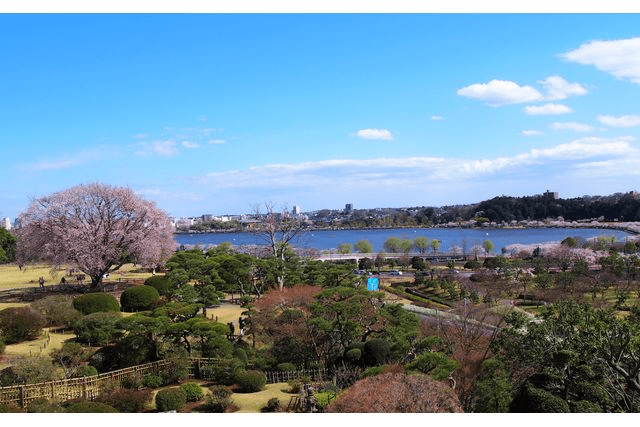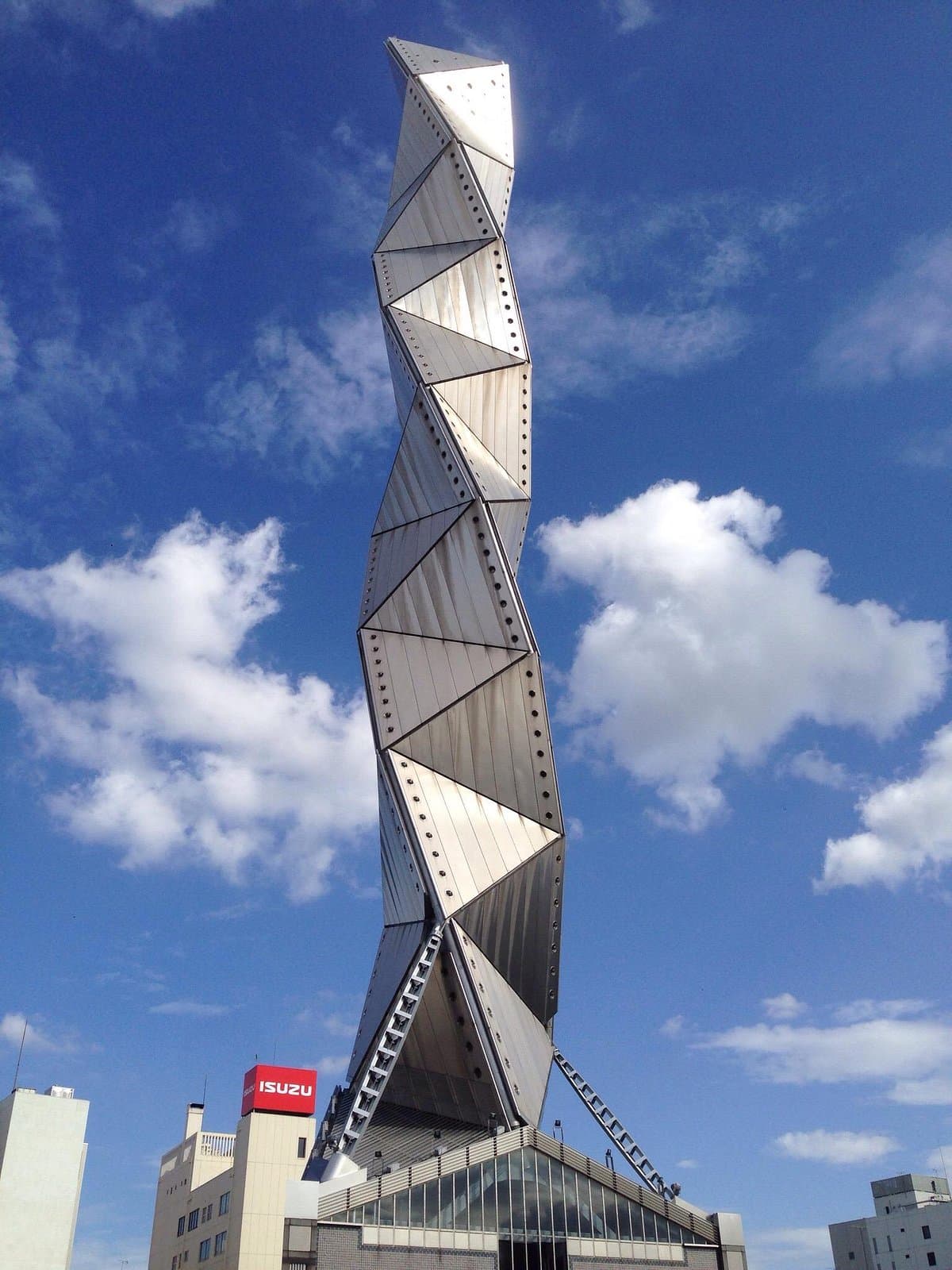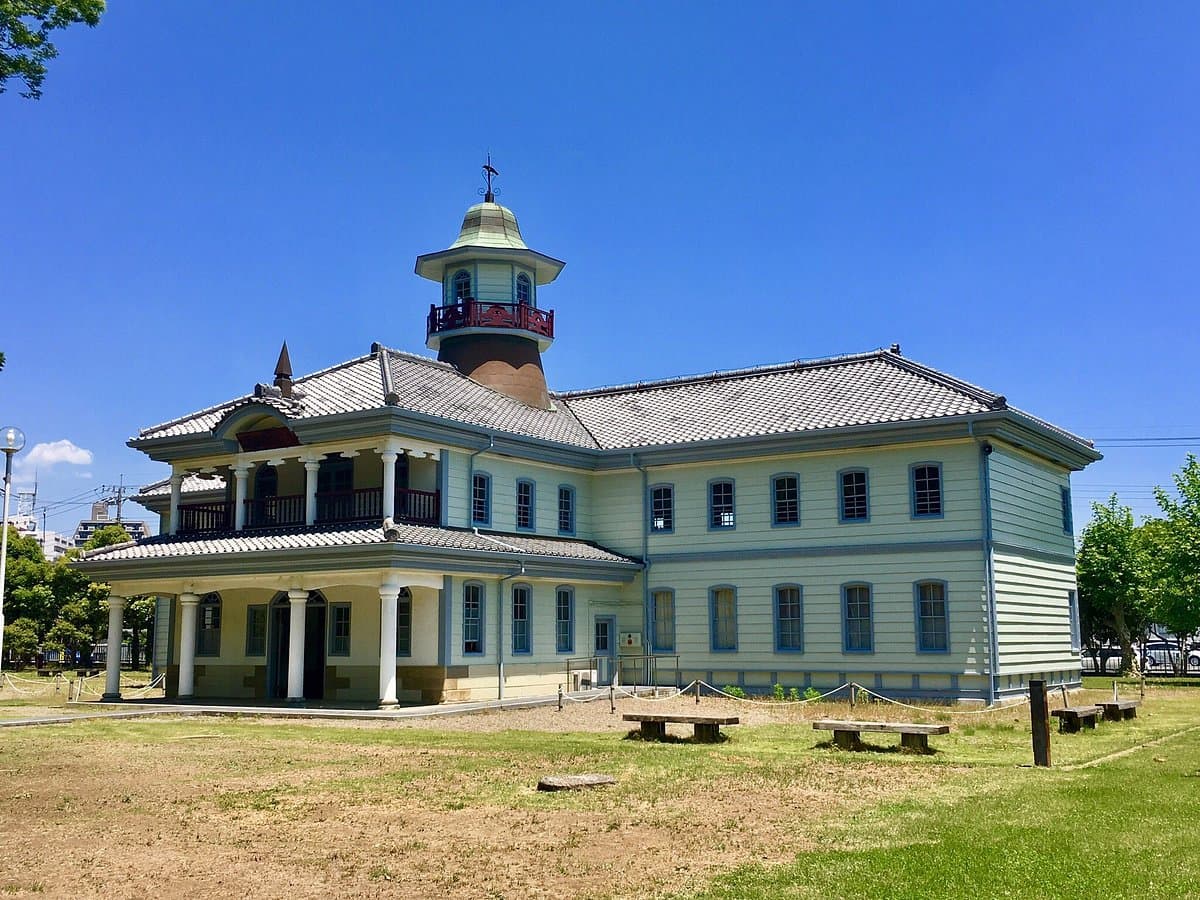
The Ibaraki Prefectural Museum of History serves as a key institution for understanding the rich and complex history of the Ibaraki Prefecture. It not only houses extensive indoor exhibits detailing the region's past but also features a unique outdoor area with several relocated historical buildings, offering a tangible connection to different eras of Japanese life.
Visitors consistently highlight the museum's detailed approach to local history, noting that it provides insights into Ibaraki's specific narrative which might not be found in broader national museums. The collection of historical buildings, including a Meiji-era primary school and traditional farmhouses, is a particular draw. Reviewers appreciate the opportunity to explore these structures, with some finding the timeline of school meals through the 20th century in the primary school exhibit to be a fascinating detail. The museum is praised for its ability to present local history in an engaging and comprehensive manner.
To make the most of a visit, allocate at least 2-3 hours, especially if you plan to explore all the outdoor historical buildings in addition to the indoor exhibits. Comfortable walking shoes are advisable due to the outdoor component. While specific advice on what to skip is not prominent in reviews, those with limited time might prioritize the outdoor buildings if architectural history is their primary interest. The museum is generally quiet, suggesting it can be visited at any time of day without significant crowds.
The Ibaraki Prefectural Museum of History is located at 2-1-15 Midoricho, Mito. While specific public transport details are not extensively mentioned in reviews, Mito is accessible by train. From Mito Station, local buses or a taxi would be the most convenient options to reach the museum. Driving is also an option, and parking facilities are typically available at such prefectural institutions.
Common complaints are not widely reported, but some visitors might find the focus on local history to be too specific if they are expecting a broader overview of Japanese history. To mitigate this, visitors should arrive with the understanding that the museum's strength lies in its regional focus.