The Kasama Nichido Museum of Art is a significant cultural institution in Kasama, Ibaraki Prefecture, renowned for its impressive collection of Western art. It stands out for housing works by celebrated European masters, a rarity in many regional Japanese museums. The museum's tranquil setting, surrounded by nature, enhances the viewing experience, making it more than just a place to see art but also a peaceful retreat.
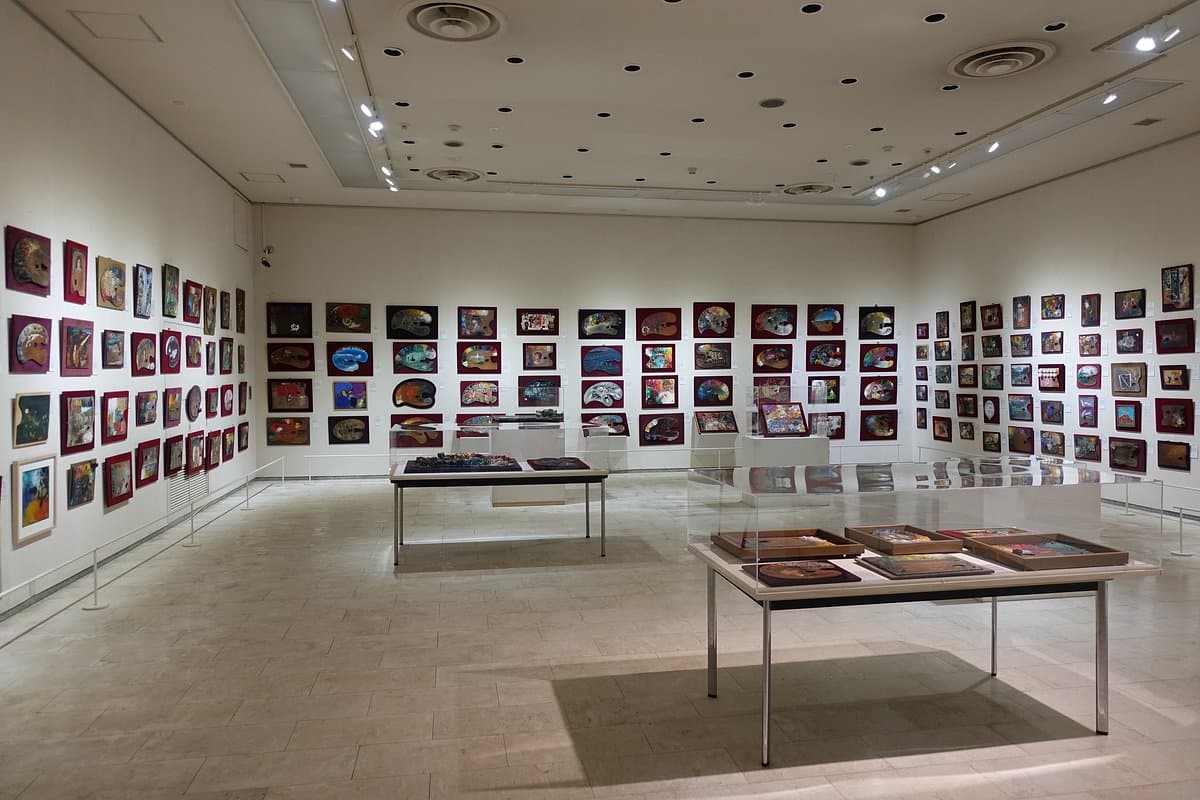
Visitors frequently express surprise and delight at the caliber of the art on display, with several reviewers specifically mentioning the emotional impact of seeing pieces by artists such as Degas, Renoir, Monet, and Picasso. The museum's 'Palette Hall' is particularly noted for its collection of famous painters. Beyond the main exhibits, the museum grounds feature multiple buildings and outdoor spaces, providing a varied experience that prevents boredom, even for those who might not be solely focused on paintings. The overall atmosphere is consistently described as quiet and sublime, offering a contemplative environment for art appreciation.
To make the most of your visit, plan to spend at least 2-3 hours exploring both the indoor galleries and the surrounding grounds. Reviewers suggest that the museum is a good place to relax and take a break, implying that a leisurely pace is best. Consider visiting during off-peak hours to fully enjoy the tranquility. There are mentions of a cafe or resting areas, so you can take a break if you feel tired. Bringing a small sketchbook or journal might enhance the experience for those who enjoy reflecting on art.
The museum is located at 978-4 Kasama, Kasama, Ibaraki Prefecture. While specific public transport details are not extensively mentioned in reviews, Kasama is accessible by train. From Tokyo, you can take the JR Joban Line to Tomobe Station, then transfer to the JR Mito Line to Kasama Station. From Kasama Station, local buses or a taxi would likely be required to reach the museum, as it is situated somewhat outside the immediate town center in a natural setting. Driving is also a viable option, and parking is generally available given its location.
A common theme among visitors is the unexpected quality of the collection. To mitigate any potential disappointment, approach the museum with an open mind, ready to be surprised by its offerings rather than expecting a specific type of exhibit. While the focus is Western art, the diverse collection means there's something for many tastes, but those looking exclusively for traditional Japanese art might find the main galleries less aligned with their interests.