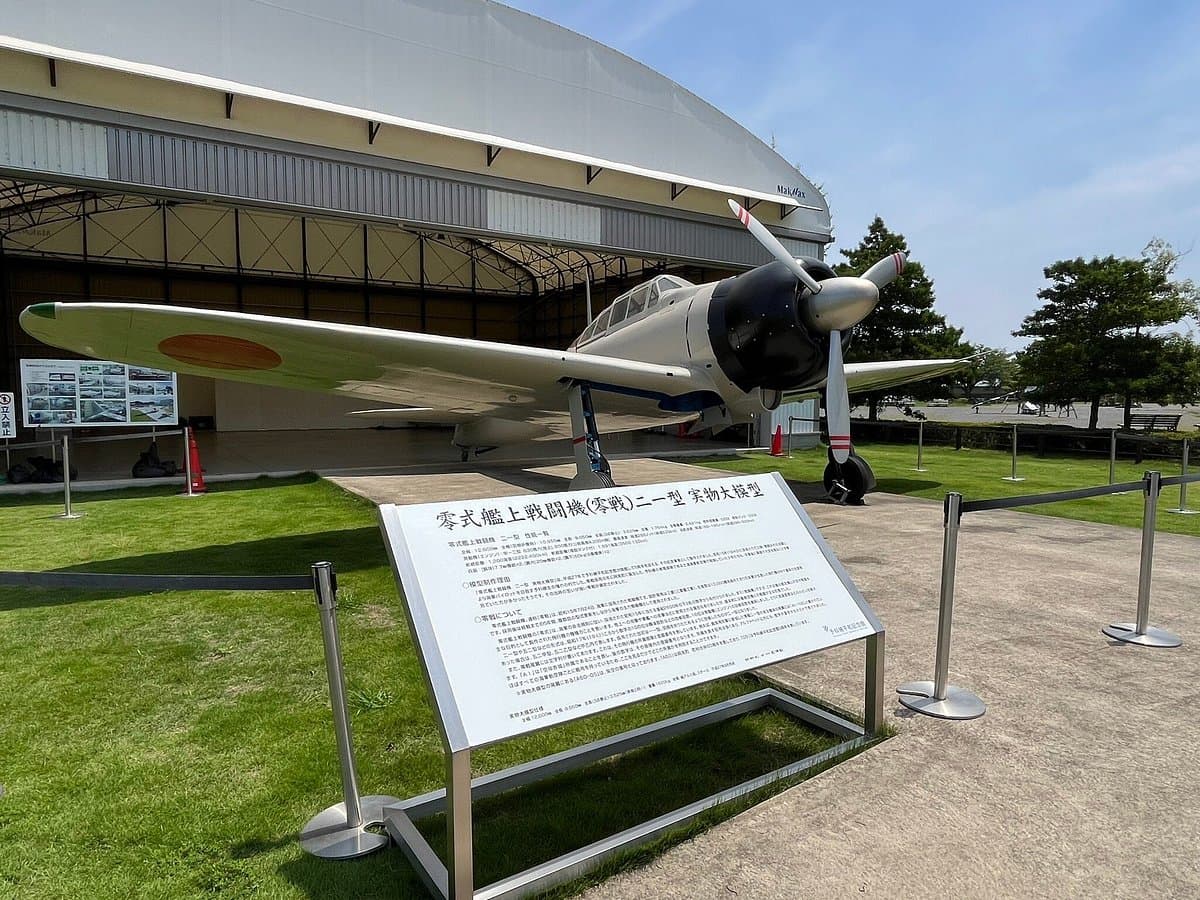
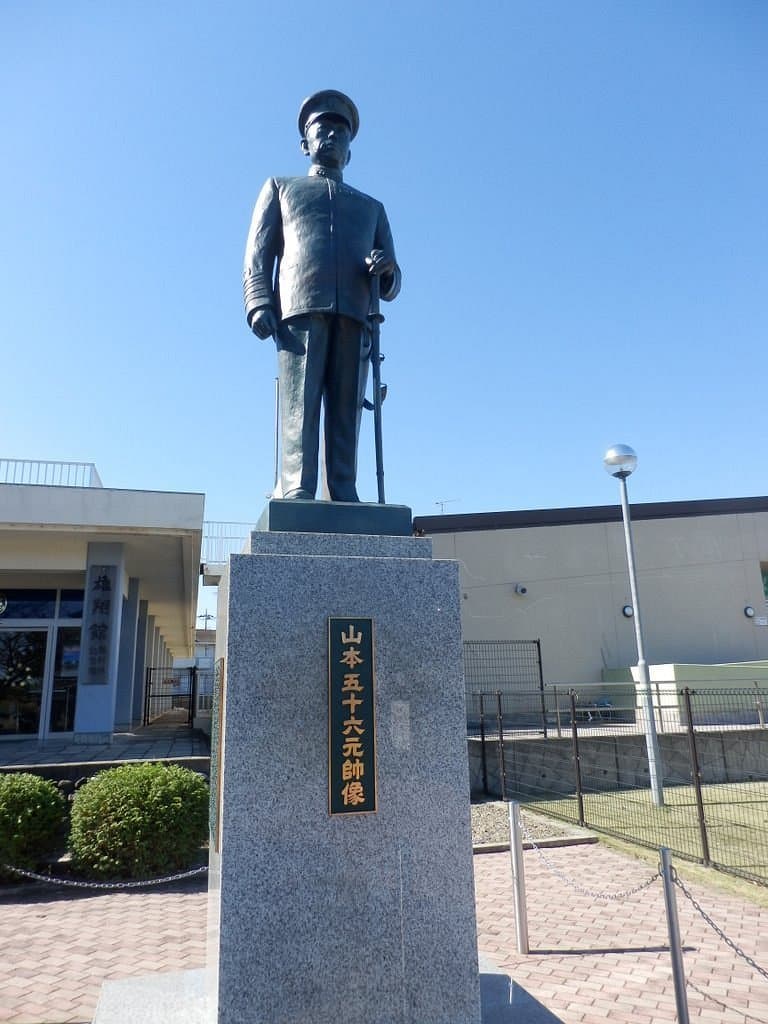
The Yokaren Memorial Hall, or Yushokan, serves as a significant historical site dedicated to the trainees of the former Imperial Japanese Navy's flight preparatory course. It honors the war dead and provides insight into the lives and fates of these young pilots, many of whom were deployed to combat, including as members of the Kamikaze Special Attack Force. The museum aims to preserve their memory and educate visitors about this specific aspect of Japan's wartime history.
Visitors consistently note the somber and reflective atmosphere of the memorial. The exhibits, which include approximately 1,700 items, focus on the achievements and sacrifices of the young pilots. Reviewers highlight that the facility is adjacent to the Preparatory Training Peace Memorial Museum and is located within Camp Tsuchiura, making it part of a larger historical complex. The free admission is also a frequently praised aspect, allowing for accessible historical education.
For those planning a visit, it is advisable to allocate at least 1 to 2 hours to thoroughly explore the exhibits. Given the serious nature of the subject matter, visitors should approach the experience with respect and a willingness to engage with a difficult period of history. There are no specific items to bring, but a contemplative mindset is recommended. The best time to visit would likely be during weekdays to avoid potential crowds, though reviews do not indicate significant congestion.
The Yokaren Memorial Hall is located at 121-1 Aoyado, Ami-machi, Ibaraki Prefecture. It is situated within Camp Tsuchiura. While specific public transport details are not extensively mentioned in reviews, its location within a camp suggests that driving or taking a local bus might be the most convenient options for reaching the site. Visitors should check local bus schedules from nearby train stations if relying on public transportation.
Common complaints are not explicitly detailed in the available reviews, but the subject matter itself can be emotionally challenging for some visitors. To mitigate this, it is helpful to be aware of the historical context before visiting and to approach the exhibits with an open mind, understanding that the museum presents a specific national perspective on the events.