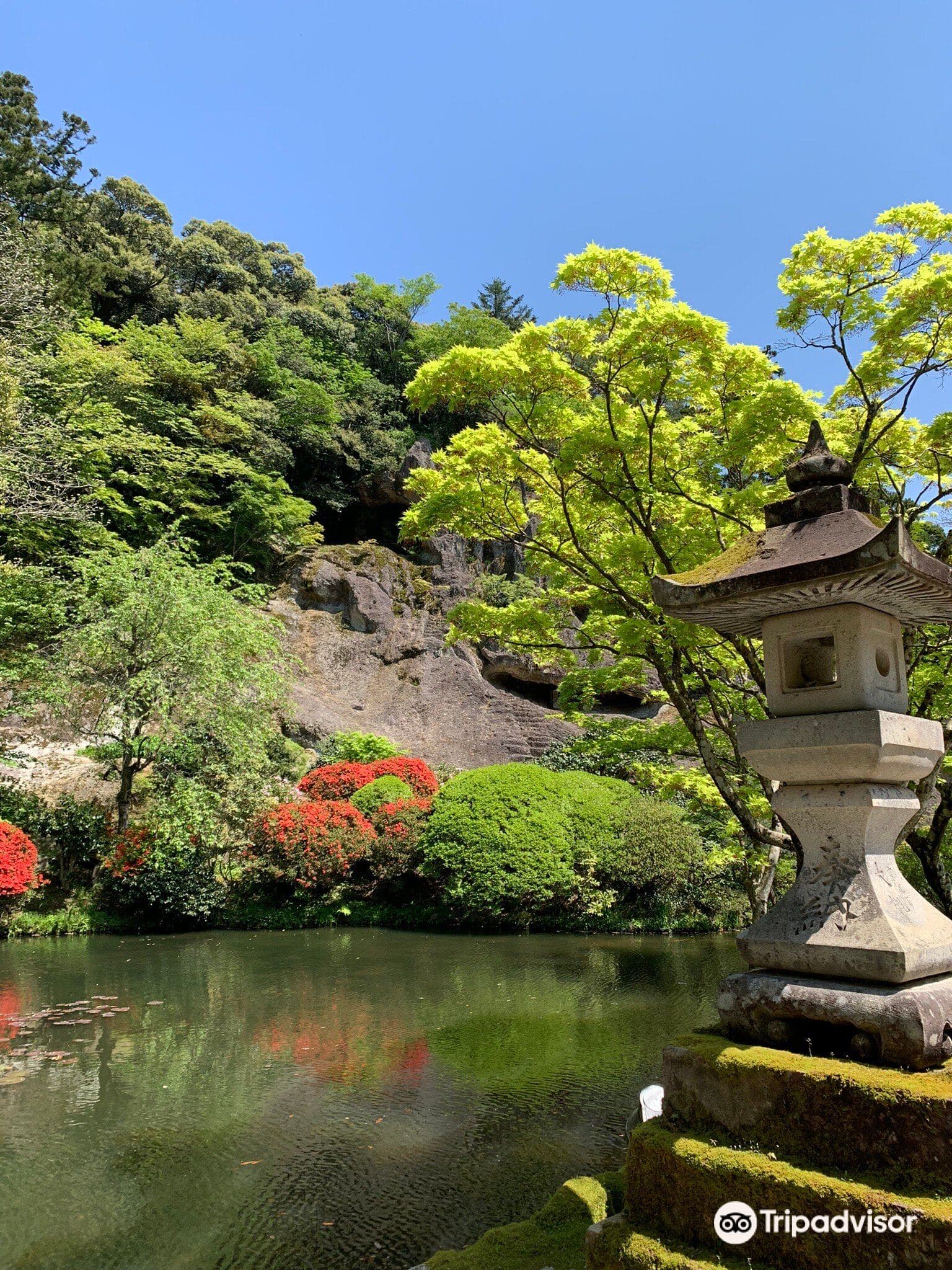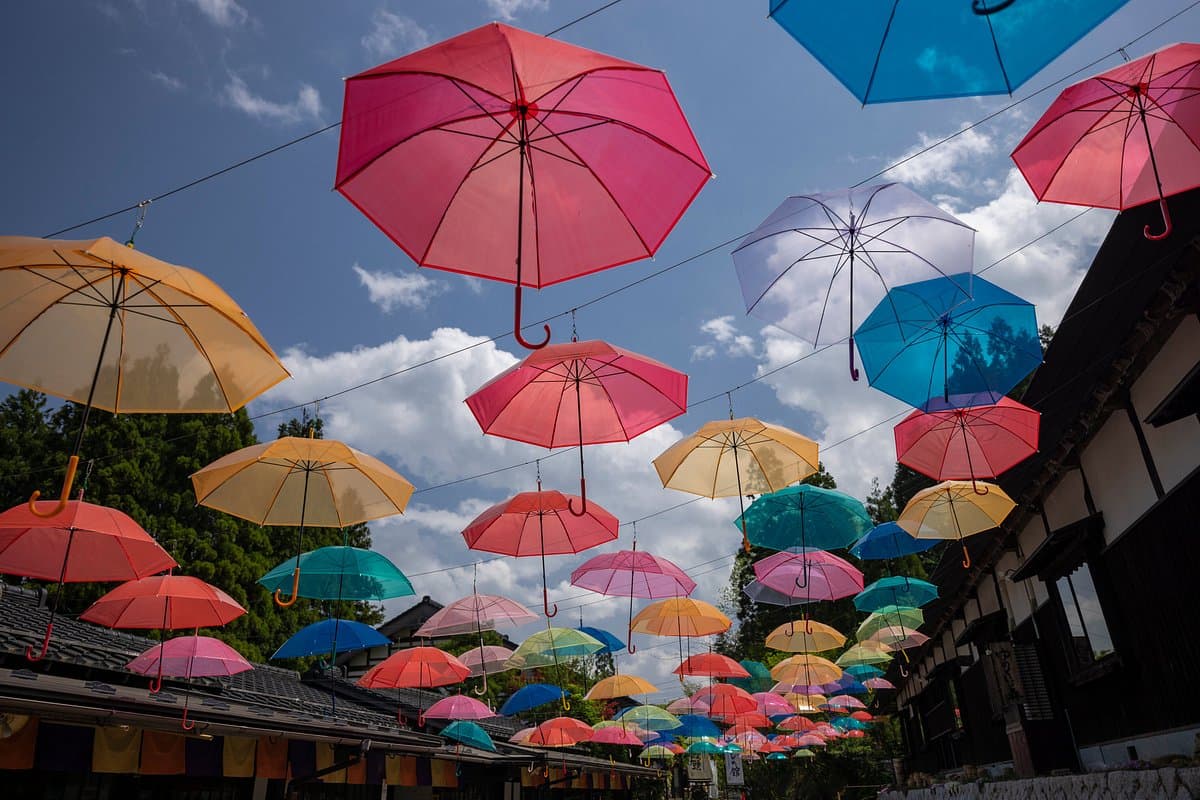
Yunokuni no Mori is a unique craft village designed to showcase and preserve the rich traditional heritage of the Kaga region. Set amidst a picturesque forest, it features numerous thatched-roof houses, each dedicated to a different traditional Japanese craft. It serves as an excellent introduction to various art forms, allowing visitors to observe artisans at work and understand the cultural significance of these crafts.
Visitors consistently praise the variety of hands-on experiences available, from gold leafing and pottery to paper craft, soba making, and tea ceremonies. Many appreciate the opportunity to create their own souvenirs, which is seen as a more meaningful alternative to mass-produced items. The village's tranquil setting and well-maintained gardens also receive positive remarks, with some reviewers noting the beauty of the natural surroundings. The staff are often described as knowledgeable and kind, enhancing the learning experience.
To make the most of your visit, plan to spend at least 2-3 hours, especially if you intend to participate in a workshop. It's advisable to check the workshop schedules in advance, as different charges apply for each activity. Bringing some extra cash for these experiences and unique handmade souvenirs is recommended. While the park is beautiful year-round, visiting on a weekday might offer a more peaceful experience, as noted by some who found it less crowded.
Getting to Yunokuni no Mori is relatively easy from Kaga Onsen Station. Reviewers mention a bus called "Can Bus" that provides convenient access. For those driving, the location is well-regarded, and parking is generally available. The address is Na-3-3 Awazu Onsen, Komatsu, Ishikawa Prefecture.
Some visitors have expressed disappointment regarding the level of English support, particularly for the hands-on activities, despite the existence of an English website. This can lead to feelings of frustration or being left out. To mitigate this, it's recommended to go with a Japanese speaker if possible, or to prepare some basic Japanese phrases related to crafts. Alternatively, focus on activities that are less language-dependent, such as observing demonstrations or enjoying the scenic surroundings.