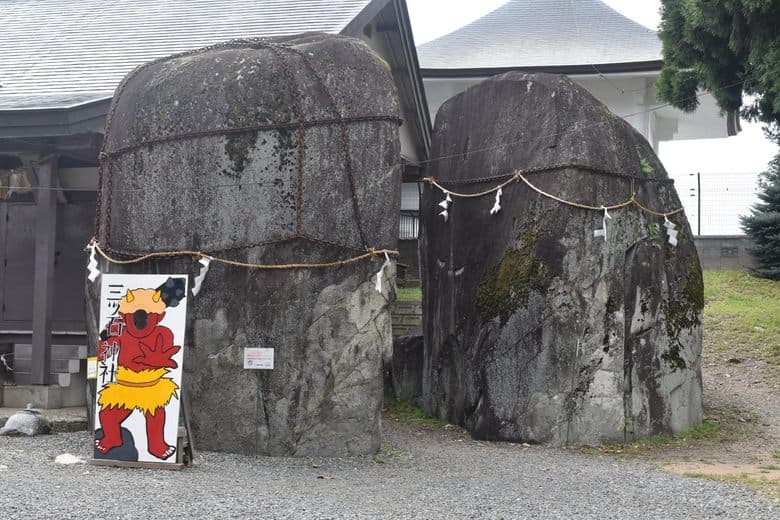
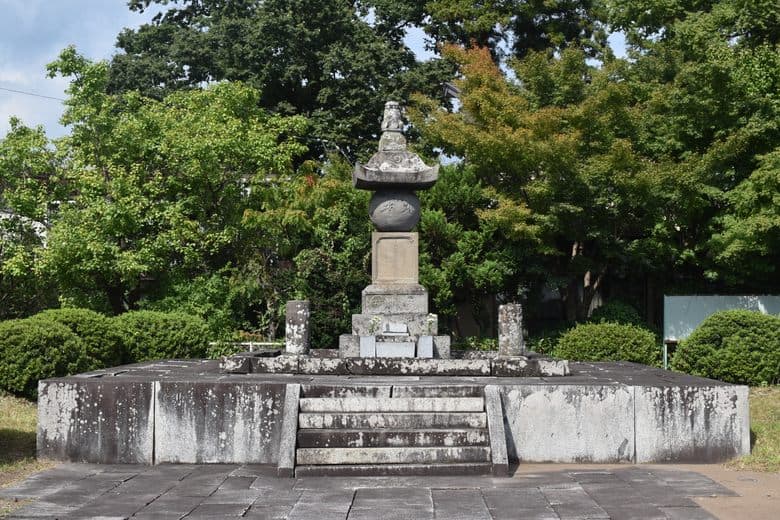
Mitsuishi Shrine is a historically significant site in Morioka, deeply intertwined with local folklore. It is most famous for the legend of the demon handprints (Oni-no-Tegata) embedded in a large rock, which are said to be the origin of the name for Iwate Prefecture, meaning "rock hand." This ancient shrine offers a glimpse into Japan's spiritual heritage and the unique stories that shape its regions.
Visitors consistently praise the shrine for its tranquil and unpretentious atmosphere, describing it as a quiet escape from the city bustle. The primary draw for many is the intriguing legend of the demon handprints, even if the prints themselves are not always clearly visible. Reviewers often mention that the shrine is part of a larger temple area, making it convenient to visit several temples and shrines in one outing, which enhances the overall experience of exploring Morioka's historical side.
To make the most of your visit, allocate about 30 minutes to an hour to explore the shrine and its immediate surroundings. The best time to visit is during daylight hours, particularly in the morning or late afternoon, when the light might better highlight the rock formations and the area is typically less crowded. There are no specific items to bring, but comfortable walking shoes are advisable as you might explore other nearby temples. Visitors suggest that the handprint itself might be faint, so managing expectations can enhance the experience.
The shrine is conveniently located within walking distance of central Morioka, making it easily accessible for tourists. While specific public transport lines are not frequently mentioned in reviews, its central location suggests that local buses or a pleasant walk from major train stations would be viable options. Driving is also an option, though parking availability might vary depending on the time of day and local events.
A common observation from visitors is that the demon handprints on the rock are not always as distinct as one might imagine from the legend. To mitigate potential disappointment, approach the site with an appreciation for the historical narrative and the cultural significance rather than expecting a perfectly preserved, clear imprint. Focusing on the serene environment and the broader context of the legend can make the visit more rewarding.