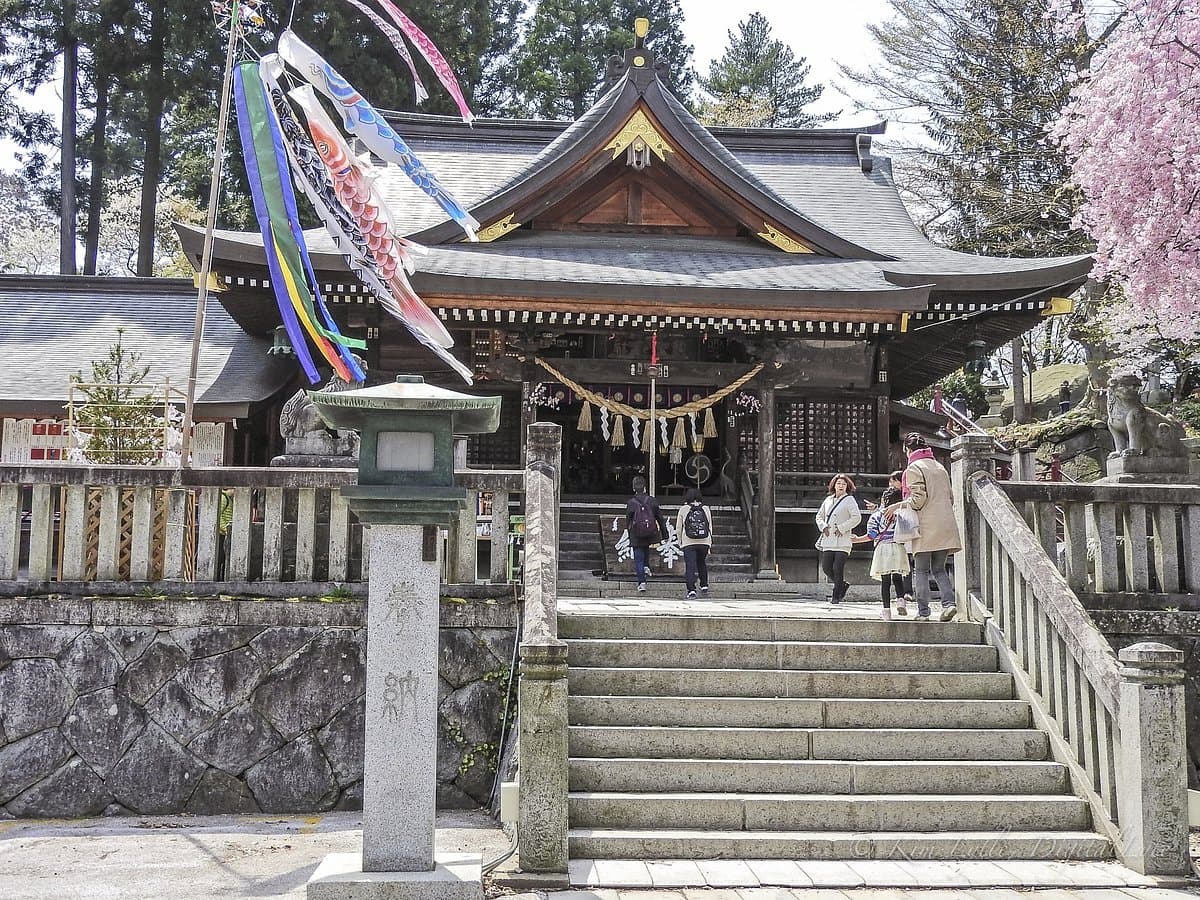
Sakurayama Shrine, founded as the main guardian shrine for the Nanbu clan, holds a significant place in Morioka's history and local spiritual life. It is particularly known for its connection to the nearby Morioka Castle Ruins Park, offering visitors a blend of historical exploration and cultural immersion.
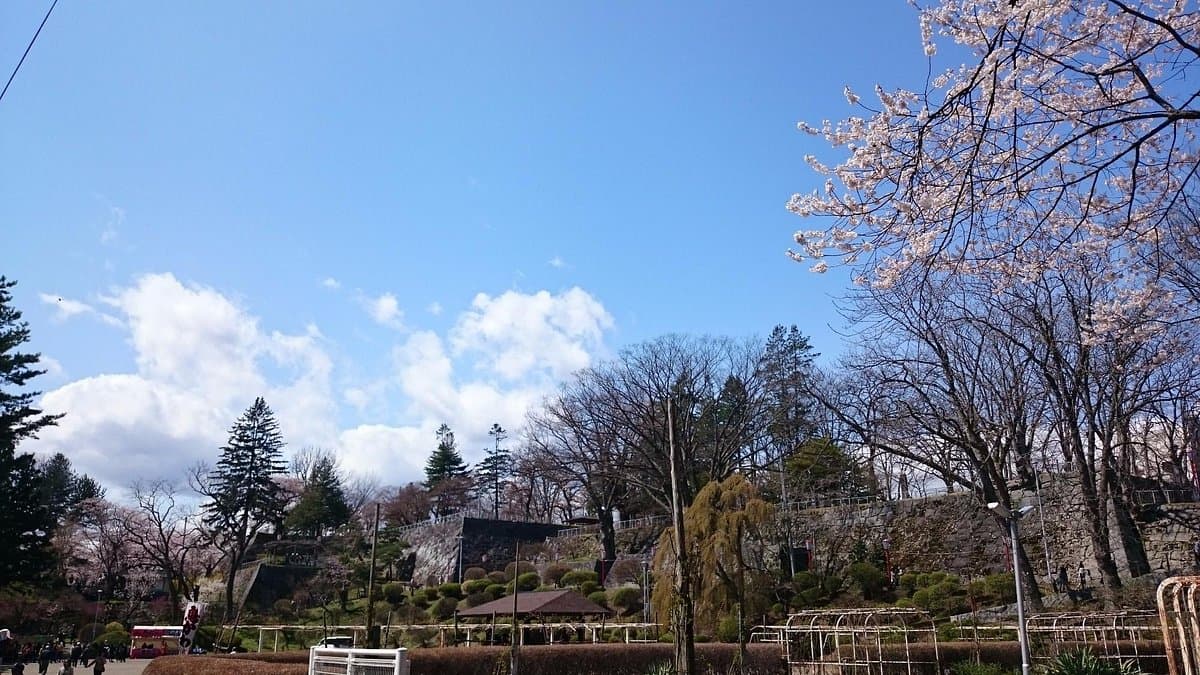
Visitors consistently praise the shrine's tranquil ambiance and its integration with nature, especially the cherry blossom trees which are a major draw in spring. Many reviewers highlight the impressive Eboshi Rock located behind the main hall, describing it as a 'huge' and 'magnificent' feature that adds to the shrine's unique character. The opportunity to observe locals worshipping provides an authentic cultural experience, with some visitors noting the presence of traditional ceremonies like tea ceremonies, which can be a pleasant surprise.
To make the most of your visit, allocate about 1-2 hours, especially if you combine it with the castle park. The shrine is particularly beautiful during cherry blossom season, but can be visited year-round for its peaceful atmosphere. Reviewers suggest looking for the large sacred rock behind the shrine, as it's a key highlight. While the shrine itself is not large, its historical context and the natural surroundings make it a worthwhile stop. Consider bringing a camera, especially if visiting during spring, to capture the scenic beauty.
The shrine is conveniently located next to Morioka Castle Ruins Park (also known as Iwate Park). Many visitors recommend parking at the basement carpark of the castle ruins, which allows easy access to both sites. It's also within easy walking distance from Ishiwarizakura, another local attraction. Reviewers describe it as being on Morioka Odori and 'hard to miss' if you are in the area. Public transport options are not explicitly detailed in reviews, but its central location suggests accessibility.
A minor point noted by some visitors is that parts of the shrine, such as the entrance stairs, may occasionally be undergoing maintenance. However, this typically does not hinder access, as alternative entry points are usually available, allowing for a smooth visit.