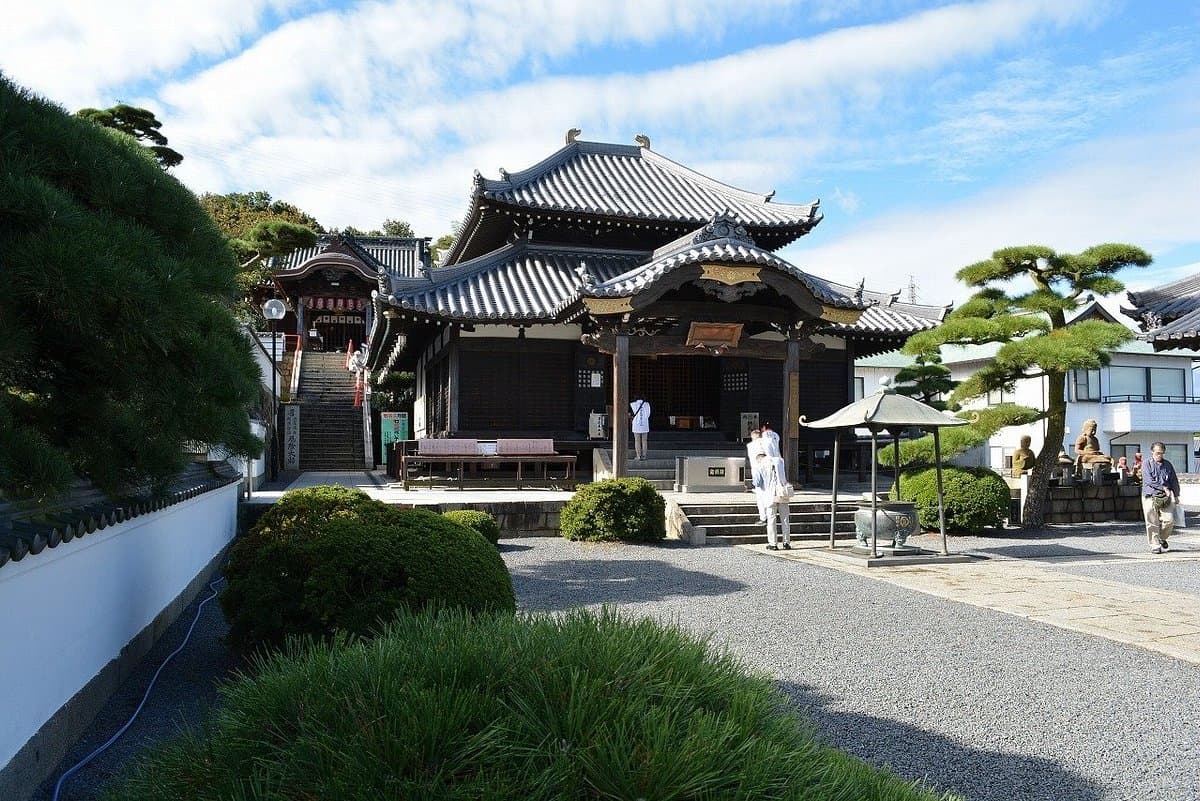
Goshoji Temple is the 78th temple on the Shikoku Pilgrimage, a significant spiritual route in Japan. While it may not be as widely known as some other temples, it holds historical importance, having been rebuilt after being destroyed by a Sengoku feudal lord. It is also notable for being a Jishu sect temple, which is considered rare on the Shikoku Pilgrimage, and houses Amida Nyorai as its principal image.
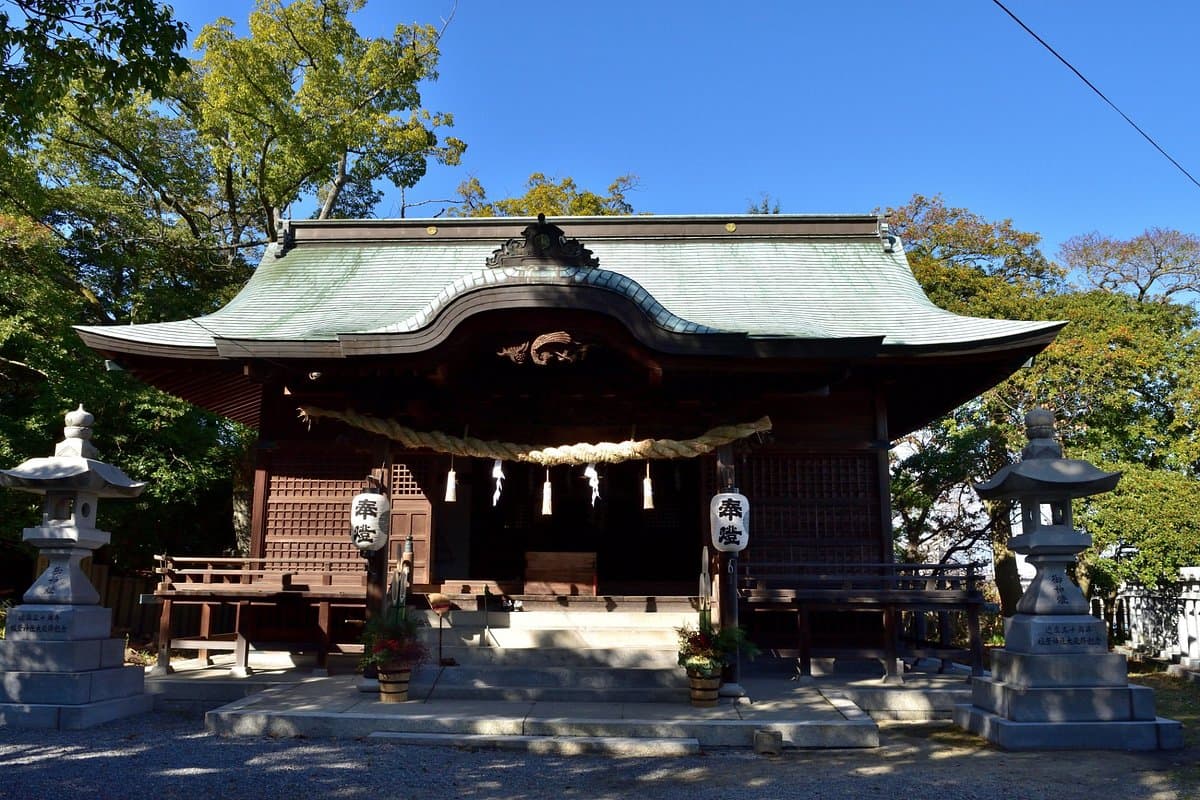
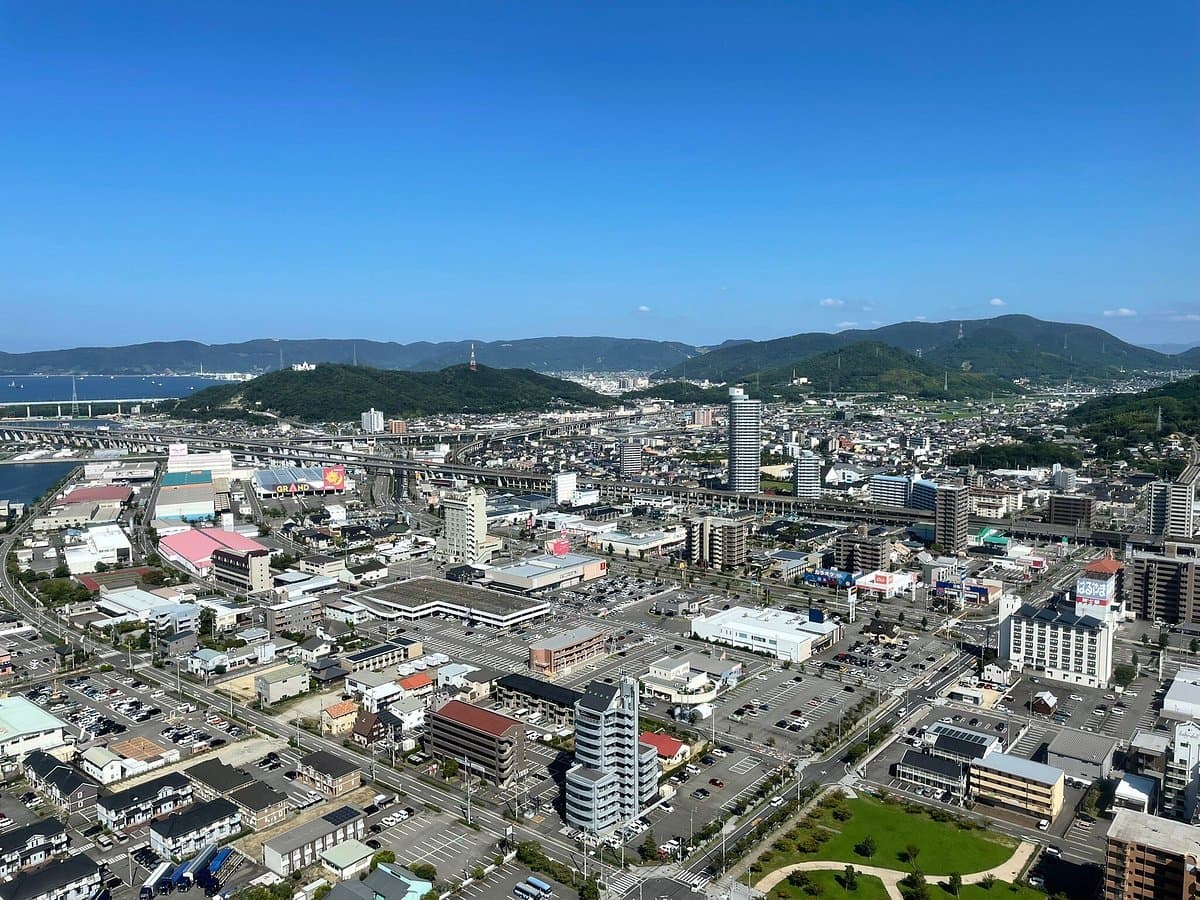
Visitors consistently praise Goshoji for its tranquil atmosphere and the opportunity to experience a temple that is not heavily frequented by international tourists. Many appreciate the panoramic sea views from its hillside location, especially on clear days. The temple's grounds are described as well-maintained and beautiful, changing with the seasons. Unique features that draw positive comments include the Mantai Kannon Hall located in the basement, and a small shrine behind the main temple filled with tanuki (raccoon dog) statues. The somber crypt with Kannon statues dedicated to lost children is also mentioned as a moving experience.
To make the most of your visit, allocate about 1-2 hours to explore the temple grounds thoroughly, including the hill behind the main temple. Reviewers suggest visiting during the New Year for a bustling local experience, though it remains peaceful at other times. Comfortable walking shoes are recommended due to the uphill walk to the temple and the exploration of the grounds. Don't miss the Mantai Kannon Hall in the basement, as it's highlighted as a key feature. While there are no specific warnings about what to skip, some visitors note that the walk from the station can be a bit long, so consider the weather conditions.
Goshoji Temple is located at 1435 Utazucho, Utazu-cho, Kagawa Prefecture. It is accessible on foot from Utazu Station, with one reviewer noting a walk of approximately 20 minutes. The path to the temple involves a slight uphill climb. Along the way, you might encounter other local attractions like Ufushina Shrine and a mochi shop, which can break up the journey. Public transport is the primary recommendation for reaching the temple, as driving and parking information is not prominently mentioned in reviews.
A common complaint, or rather an observation, is the uphill walk to the temple, which might be challenging for some. To mitigate this, consider taking breaks along the way or ensuring you are well-rested before your visit. The temple's relative obscurity means fewer amenities directly on site, so it's advisable to bring water or snacks if needed, especially during warmer months.