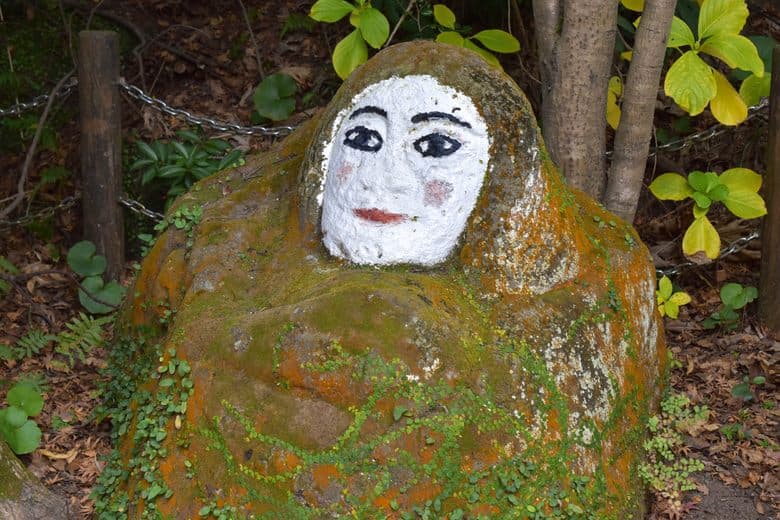
Jimesaa is a curious stone statue situated behind the Kagoshima City Museum of Art. It holds a significant place in local folklore, with residents believing it to be an effigy of Princess Kameju or Jimyōin-sama, daughter of a 16th-century daimyo. This site is notable for its annual tradition where female civic officials apply new makeup to the statue on October 5th, believed to bestow beauty upon local women. While historians debate the statue's true origins, it serves as a fascinating example of local cultural practices and beliefs.
Visitors often find the story behind Jimesaa more compelling than the statue itself, which is relatively small and unassuming. The tradition of applying makeup is a unique cultural insight, highlighting the reverence locals have for this figure. Reviewers appreciate the opportunity to witness a distinct local custom, even if the statue's historical accuracy is questioned. It's a quiet spot that offers a moment of reflection on local traditions.
For a visit, allocate about 15-30 minutes, primarily to read the informational plaques and observe the statue. The best time to visit is during the museum's operating hours, avoiding Mondays when the museum is closed. Since it's located outdoors behind the museum, it's accessible during daylight hours. There are no specific items to bring, but comfortable shoes are always advisable for exploring the museum grounds.
To reach Jimesaa, first navigate to the Kagoshima City Museum of Art. The museum is centrally located and easily accessible by public transport. Several bus lines serve the area, with stops typically within a short walking distance. If arriving by tram, the nearest tram stops are also conveniently close. For those driving, parking facilities are usually available near the museum, though it's always wise to check for current availability and fees. Once at the museum, follow signs or ask staff for directions to the statue located at the back of the building.
A common complaint is that the statue itself is not particularly grand or visually striking, leading some visitors to feel underwhelmed if they expect a major landmark. To mitigate this, approach the visit with an appreciation for its cultural and historical significance rather than its aesthetic appeal. Focus on the unique tradition and the local stories associated with Jimesaa to enhance the experience.