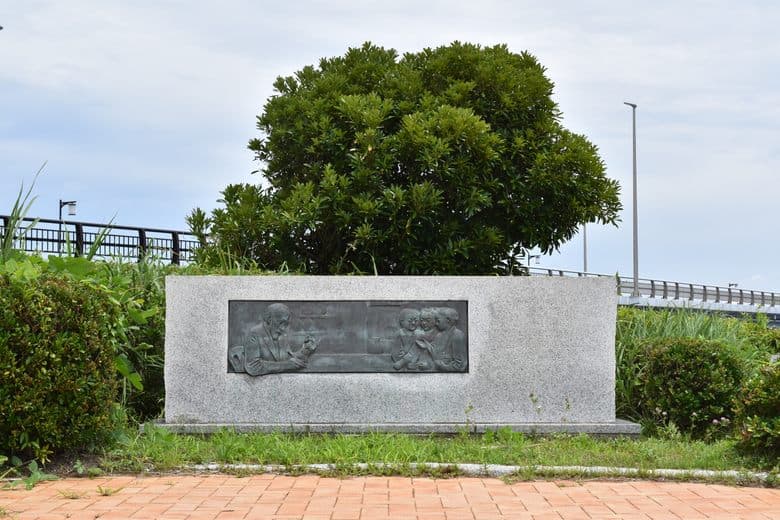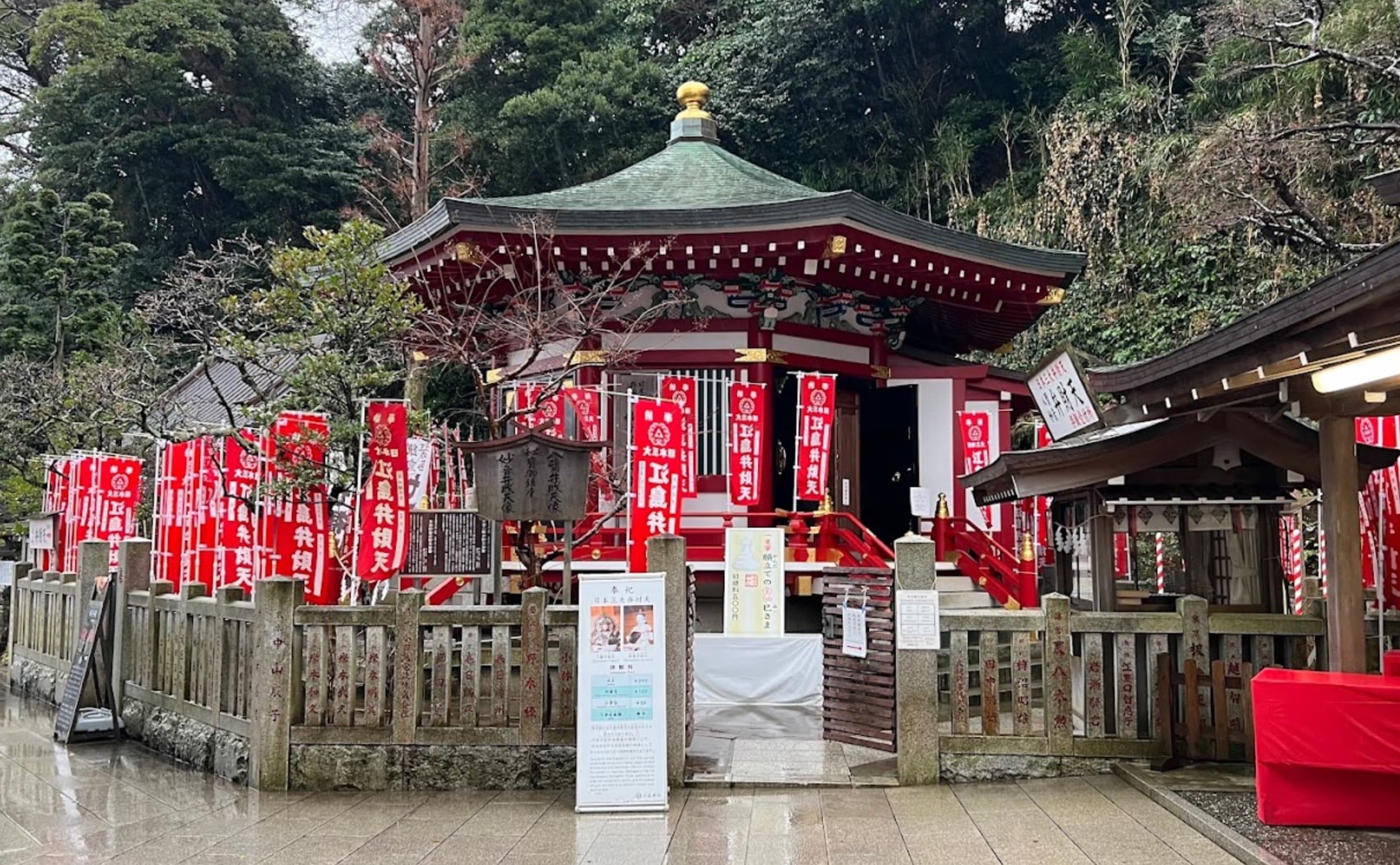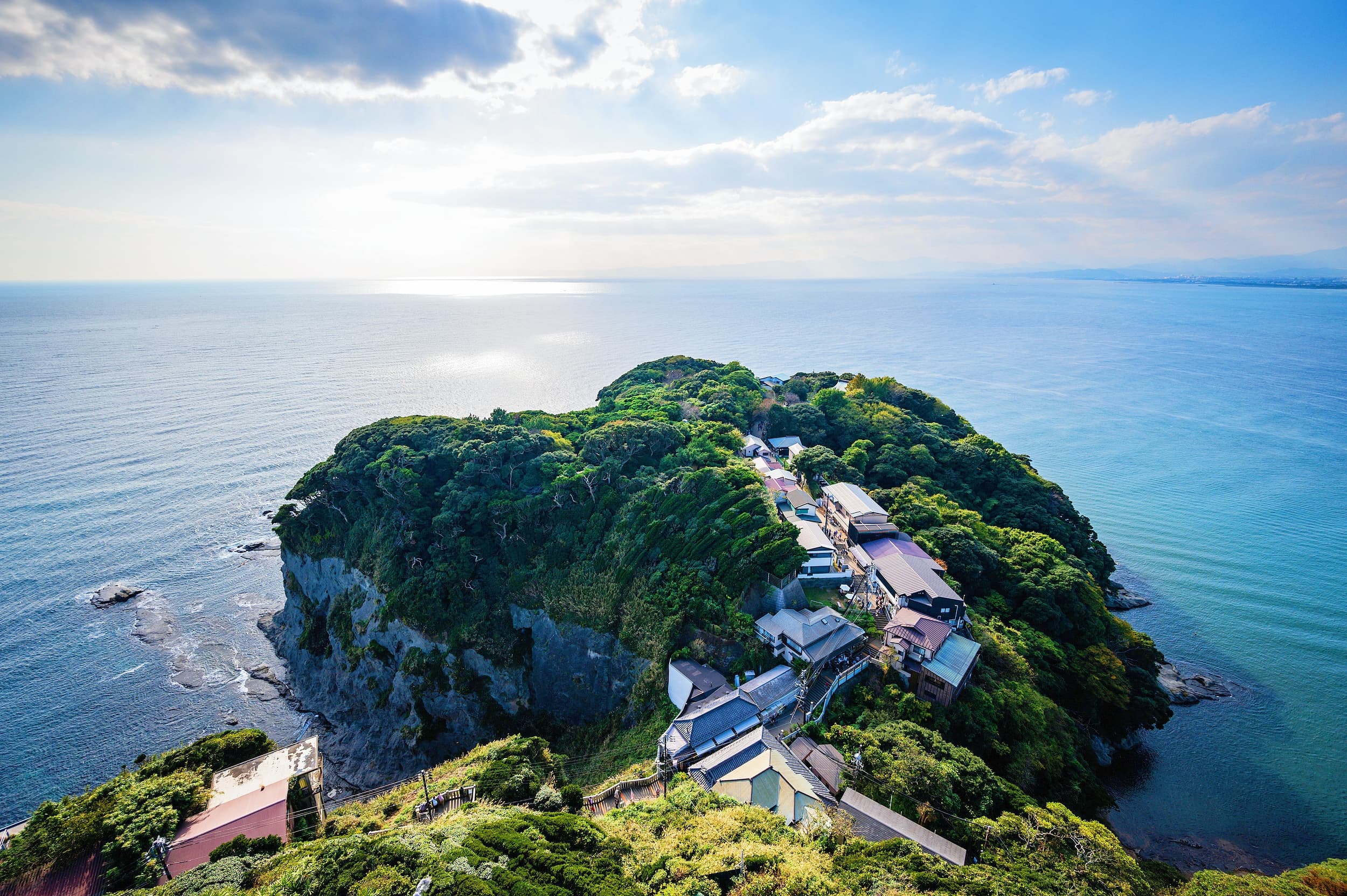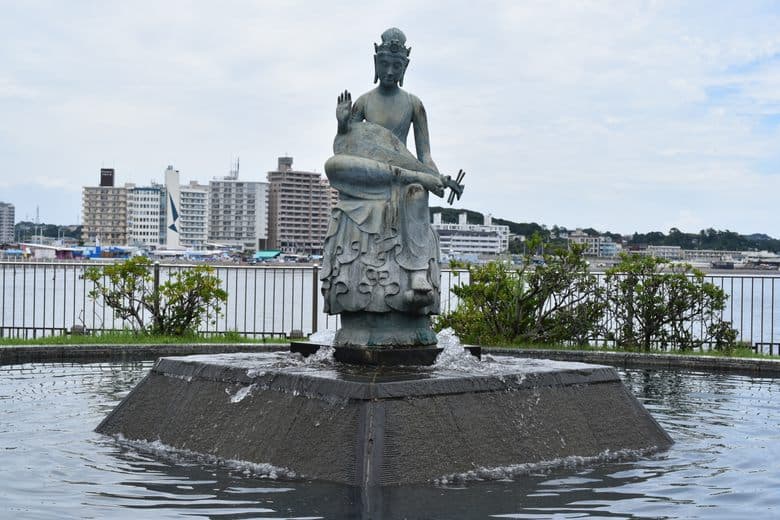
The 'Benzaiten and the Women of the World' fountain is a unique sculptural installation situated in North Green Park on Enoshima Island, a popular tourist destination near Kamakura. Dedicated to Benzaiten, the Japanese equivalent of the Hindu deity Saraswati, the island itself is a significant spiritual site. This particular fountain, created by local sculptor Kensei Katō in 1964, commemorates the Tokyo Olympics and serves as a symbolic representation of women from diverse cultures, bridging East and West.
Visitors often encounter this fountain incidentally while making their way to the Enoshima Shrine or exploring the island's main attractions. While not a primary draw, its unusual blend of figures—including Benzaiten, the Buddhist goddess Kannon, a Southeast Asian dancer, a Hellenistic maiden, and a post-Renaissance European woman—often sparks curiosity. Reviewers appreciate its artistic merit and the thoughtful message of global unity it conveys, especially given its historical context related to the Olympics.
To best experience the fountain, allocate only a few minutes as part of a larger visit to Enoshima Island. It is best viewed during daylight hours. There are no specific items to bring, and it is entirely free to access. The fountain is located within North Green Park, which is easily accessible from the main path leading from the bridge to the Enoshima Shrine. There are no specific complaints about the fountain itself, as it is generally seen as a pleasant, albeit minor, addition to the park's landscape.
To reach Enoshima Island, visitors typically cross the bridge from Fujisawa-Katase. The nearest train stations are Katase-Enoshima Station (Odakyu Enoshima Line), Enoshima Station (Enoshima Electric Railway), and Shonan-Enoshima Station (Shonan Monorail). From any of these stations, it's a pleasant walk across the bridge to the island. North Green Park is located shortly after crossing the bridge, on the left side before entering the main Benzaiten shopping street. Public transport is highly recommended, as parking on or near Enoshima Island can be limited and expensive.
Common complaints about the area generally revolve around the crowds on Enoshima Island, especially during peak season. To mitigate this, consider visiting early in the morning or later in the afternoon. The fountain itself is rarely crowded, but the path leading to it can be. There are no specific issues or scams associated with the fountain itself.