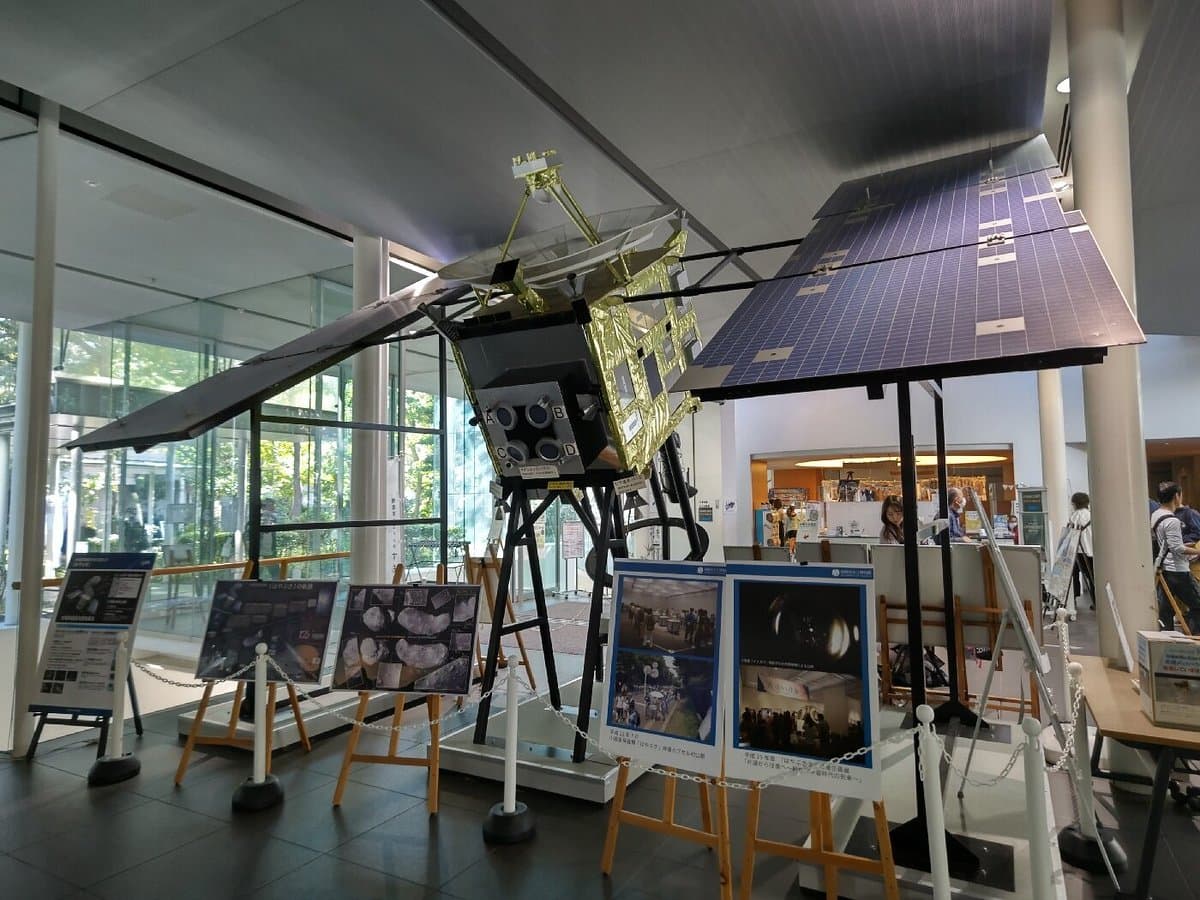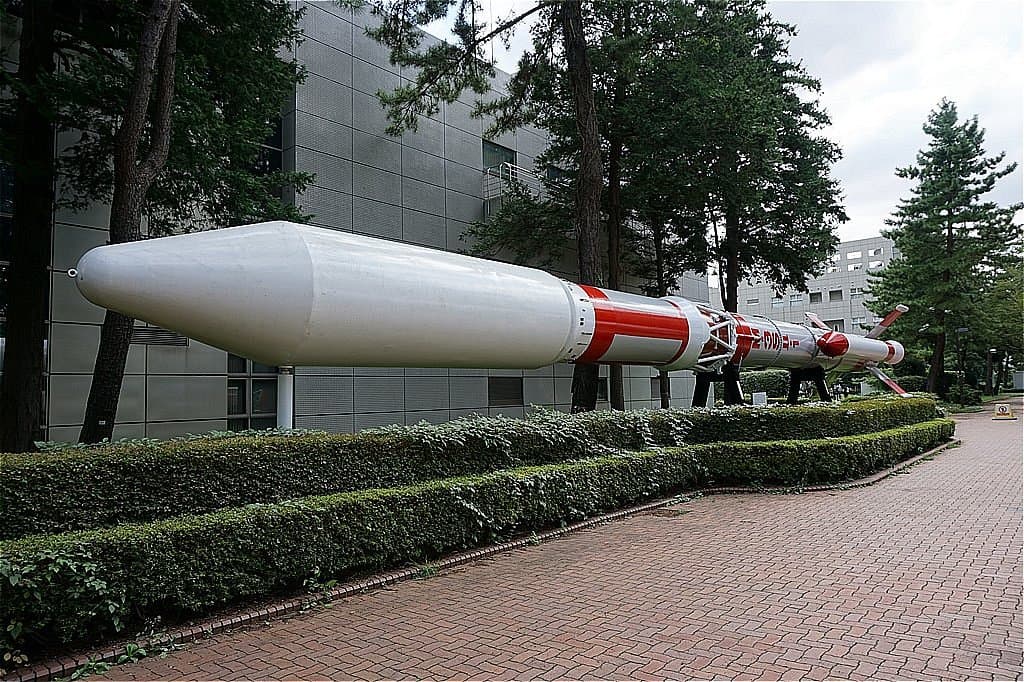
The JAXA Sagamihara Campus is a research and development facility of the Japan Aerospace Exploration Agency, offering a public exhibition area focused on space technology. It provides an opportunity to see actual prototypes and models of satellites, rockets, and planetary exploration vehicles, giving visitors a tangible connection to Japan's contributions to space science.
Visitors consistently praise the authenticity of the exhibits, noting that many items are actual prototypes or have been launched into space, which creates a powerful sense of real space exploration. The campus is particularly engaging for those with a strong interest in space, as it allows for a deeper understanding of the technology involved. Reviewers highlight the educational value, especially during special events or open campus days where interactive experiences like simulating lunar surfaces are available. The staff are often described as accommodating, even to non-Japanese speakers.
To make the most of your visit, allocate about 1-2 hours. It's advisable to check the official JAXA website for information on special events or open campus days, as these often feature more interactive exhibits and tours. While the general exhibition area is free, tours might require prior registration or be limited. Visitors suggest bringing comfortable shoes, as there might be some walking involved. It's best to visit during weekdays if you prefer a quieter experience, though special events can draw larger crowds.
The campus is accessible by public transport. The nearest station is Fuchinobe Station on the JR Yokohama Line. From there, it's approximately a 10-minute walk. Alternatively, there is a bus stop conveniently named 'Space Science Research Headquarters' nearby. For those driving, there is visitor parking available; upon entering the main gate, turn right in front of the guard station to find the parking area.
A common complaint among visitors is the limited number of exhibits and the potential for tours to be lengthy and less engaging for those without a deep interest in the subject matter. To mitigate this, focus on the self-guided exhibition areas and consider visiting during open campus events, which tend to offer more dynamic and hands-on experiences. If you find the explanations too detailed, you can focus on the visual aspects of the prototypes and models.