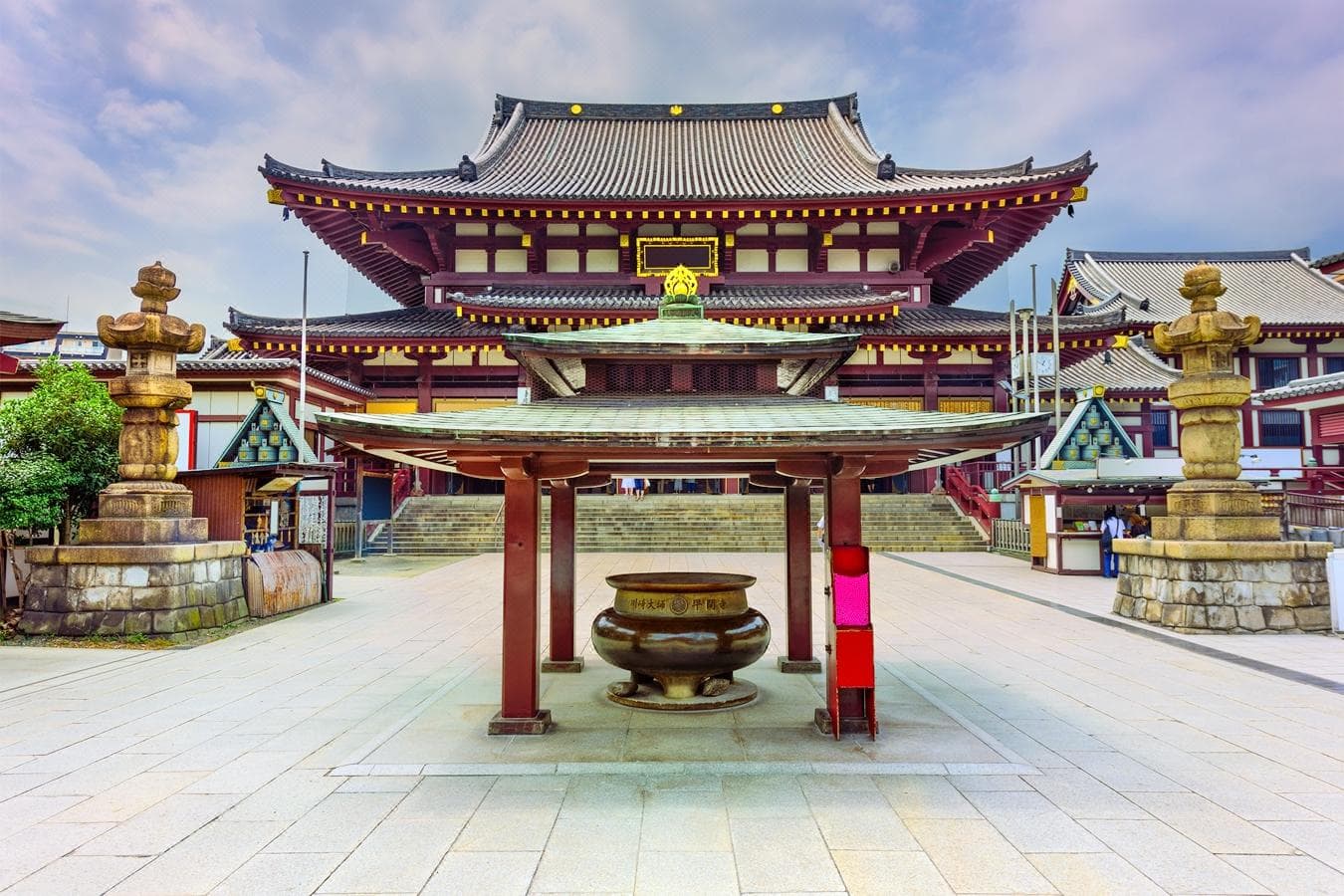
Kawasaki Daishi, officially known as Heiken-ji Temple, holds significant cultural and religious importance in Japan, particularly in the Kanagawa Prefecture. It is widely revered for its purported efficacy in granting prayers for protection from disasters, ensuring safety in homes, and providing safe passage for travelers. This makes it a popular destination for locals seeking blessings and a fascinating site for visitors interested in Japanese spiritual traditions.
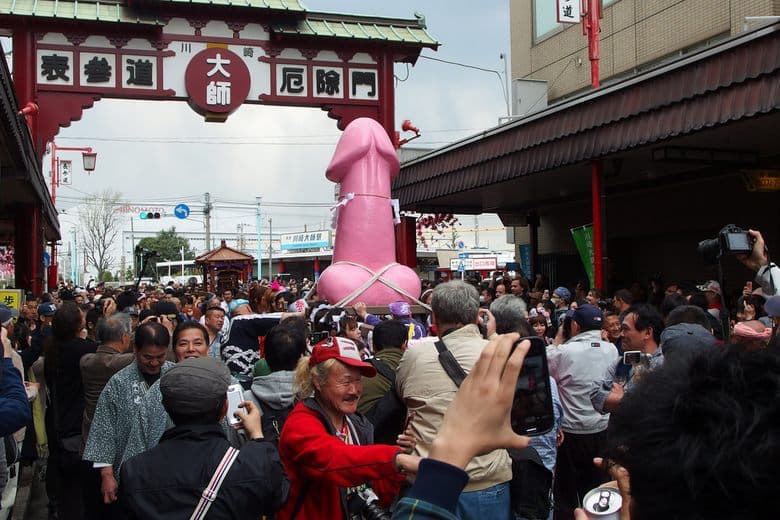
Visitors consistently praise the temple's beautiful grounds and serene atmosphere, noting its aesthetic appeal. Many highlight the unique cultural events, such as the bustling New Year's Day celebrations where people line up to burn the first incense, and the vibrant summer Wind Chime Festival, which features a wide variety of wind chimes. Reviewers also mention the opportunity to find specific items like daruma dolls, indicating a good selection of traditional souvenirs. The temple offers a more authentic, less crowded experience compared to some of Tokyo's more famous attractions, allowing for a deeper immersion into local customs.
To make the most of your visit, plan to spend 1-2 hours exploring the temple and its surroundings. The best time to visit is during one of its festivals, such as the New Year's period or the summer Wind Chime Festival, to experience the temple at its most vibrant. However, be prepared for larger crowds during these times. For a quieter experience, visit on a weekday morning. There is no entry fee for the temple grounds, making it an accessible cultural experience. Consider bringing a small bag for any souvenirs you might purchase, such as daruma dolls or wind chimes.
Kawasaki Daishi is conveniently located about 45 minutes outside of Tokyo, making it an easy day trip. It is accessible by public transport; the nearest station is Kawasaki Daishi Station on the Keikyu Daishi Line. From there, the temple is just a short walk away. Detailed information on train connections from major Tokyo stations can be found on local transit websites. Driving is also an option, though parking might be limited, especially during peak festival times.
While generally a positive experience, some visitors might find the temple less grand than some of Japan's larger, more internationally renowned temples. To mitigate this, approach the visit with an appreciation for its local significance and cultural events rather than expecting monumental architecture. During festival times, the crowds can be substantial, so those preferring solitude might want to visit during off-peak hours.