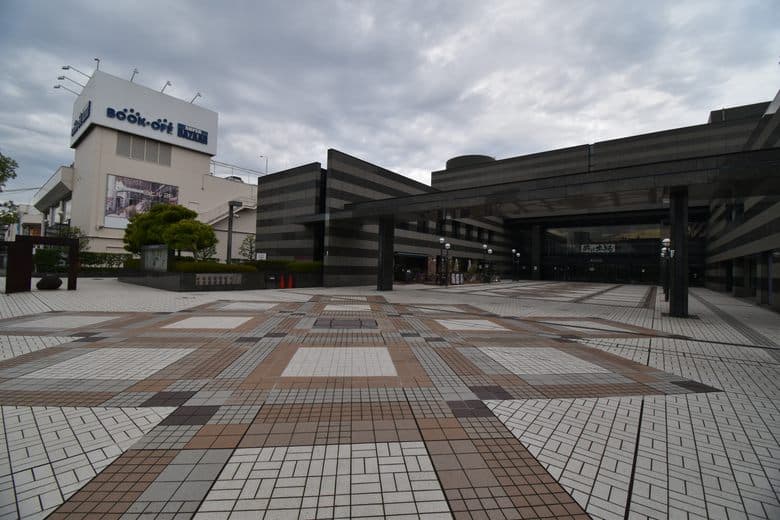
The Shōchiku Ōfuna Studio Site, located in Kamakura, holds a significant place in the history of Japanese cinema. From 1936 until its closure in 2000, this studio was a powerhouse, responsible for producing numerous acclaimed films, including Yasujiro Ozu's masterpieces like "Late Spring" and "Tokyo Story," as well as the groundbreaking first Japanese Technicolor film "Carmen Comes Home." It also launched the world's longest-running film series, "It's Tough Being a Man." Today, the site has been redeveloped into the Shōchiku Ōfuna Shopping Center, a modern mall that subtly acknowledges its storied past.
Visitors with a keen interest in film history will find a few "Easter eggs" scattered around the area. For instance, a monument commemorating the studio's completion can be found along the Sunaoshi River Promenade. Additionally, a couple of bridges in the vicinity bear the Shōchiku name, serving as quiet reminders of the studio's influence. Inside the shopping center itself, a smoking room was decorated in December 2021 with vintage pictures of the backlot, including production stills from "It's Tough Being a Man," offering a small glimpse into the studio's golden age. While the site is primarily a shopping destination, these subtle historical markers provide a unique experience for dedicated cinephiles.
For those planning a visit, it's important to manage expectations; this is not a museum or a preserved studio. The main draw is the historical significance, not a visual spectacle. A visit of 30-60 minutes is generally sufficient to explore the few remaining historical elements. There are no specific entry fees for the shopping center or the outdoor monuments. It's best to visit during regular shopping hours if you wish to see the themed smoking room. Consider combining this visit with other activities in Kamakura or Yokohama, as the site itself offers limited attractions for the general tourist.
The Shōchiku Ōfuna Studio Site is conveniently located not far from Ofuna Station. Visitors can easily reach Ofuna Station via various train lines, making it accessible from Tokyo and other nearby cities. From the station, the shopping center is within walking distance. Public transportation is highly recommended, as parking options might be limited or costly in the area. Look for the Shōchiku Ōfuna Shopping Center signs once you exit the station.
The primary complaint from visitors not specifically interested in film history is the lack of visible remnants of the studio, leading to disappointment for those expecting a more overt historical site. To mitigate this, approach the visit with the understanding that it is a modern shopping complex with only subtle, scattered tributes to its cinematic past. Focus on finding these specific markers rather than expecting a grand historical exhibition.